Lilacs are such beautiful flowers, and their scent is intoxicating. I wish they could bloom all summer, but we can only enjoy them for a few weeks each spring. By creating a silk wreath, you can enjoy lilac blooms year-round. Let’s get started.
Heart- Shaped Grapevine Wreath
I chose a heart-shaped grapevine, but you can use any shape wreath made from whatever material you prefer.
Flower Layout
While shopping for a wreath, experiment with flower colors and placement. You will also need wire cutters and floral wire. As an alternative to wire, you could use brown twine.
Wire Floral Picks
Choose a starting point and begin attaching each floral pick. Because I am working with a heart, I started at the top center point, and moved along the left side, placing each bloom as though it is growing upward.
Progress Photo
Continue adding flowers. When you reach the bottom of the heart, turn the blooms to climb up the right side.
Progress Photo
Adjust the flowers and leaves to fill in any gaps. Trim any visible wires as needed or tuck them into the back of the wreath.
Finished Wreath
I used a piece of purple ribbon to hang the wreath upon a wall. As an optional step, you can recreate that heavenly scent by simply spritzing the finished wreath with lilac essential oil.
I hope you enjoyed this project. Wreath making is a fun and easy craft anyone can do. Over time, the wreath can be easily updated with new flowers to coordinate with your décor.
Sixty-five million years ago the Tyrannosaurus Rex, also known as T-Rex, spent his days hunting, eating, and making little dinosaurs. Archaeologists, writers, and world-renowned movie directors have been thrilling us ever since with all the gory details of this master predator.
Did they roar like lions? Were they solitary animals or did they mate for life? Having such short arms, I wonder, how did they get back up after a fall?
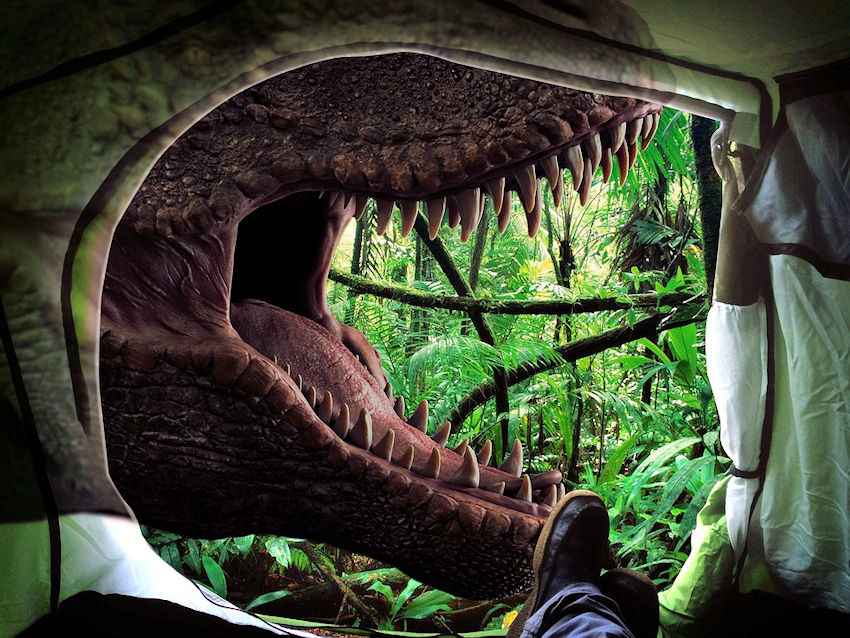
After viewing this photo, who wants to go camping? (lol) The mere thought of facing a creature, capable of eating its prey whole, leaves us with mixed feelings of fear and awe. And we love it. To bring a few of those Jurassic thrills into our lives, let’s jump into our next project:
Inspiration
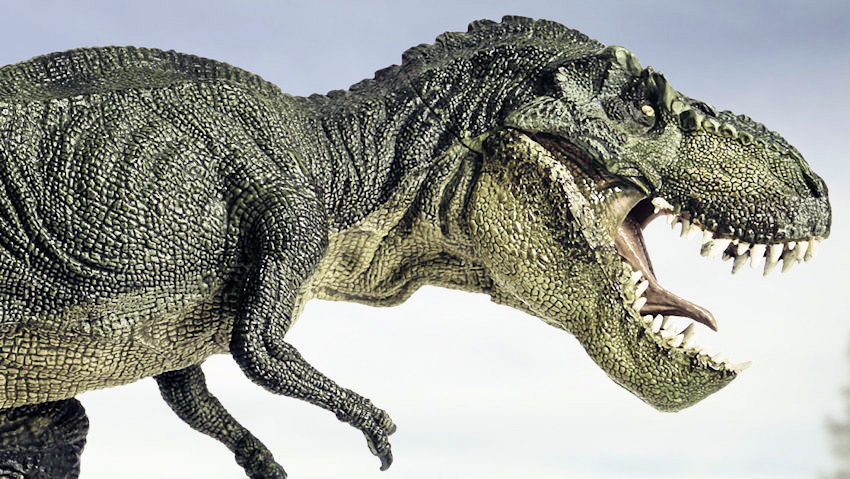
Huge jaws, piercing eyes, and razor-sharp teeth – what’s not to love?
Inspiration
When we look at large lizards alive today, we can visualize tyrannosaurs having thick, textured skin, consisting of scales and bony plates, with a ridge along the spine.
Inspiration
Predators typically have camouflaging patterns and colors to give them an advantage while hunting. With these ideas in mind, we can begin the creative process to bring the T-Rex back to life. Let’s go!
How to Paint an LED Tyrannosaurus Rex:
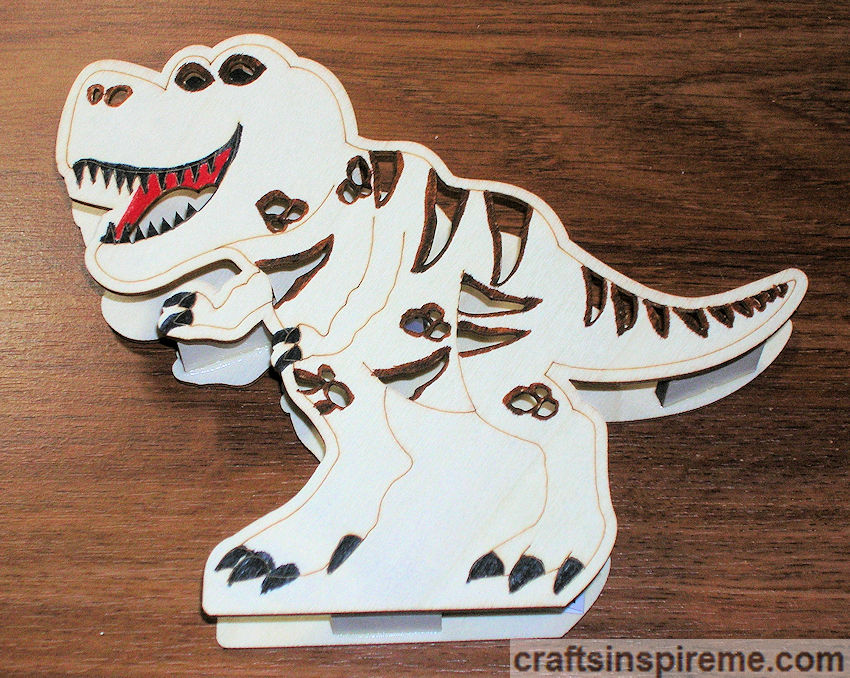
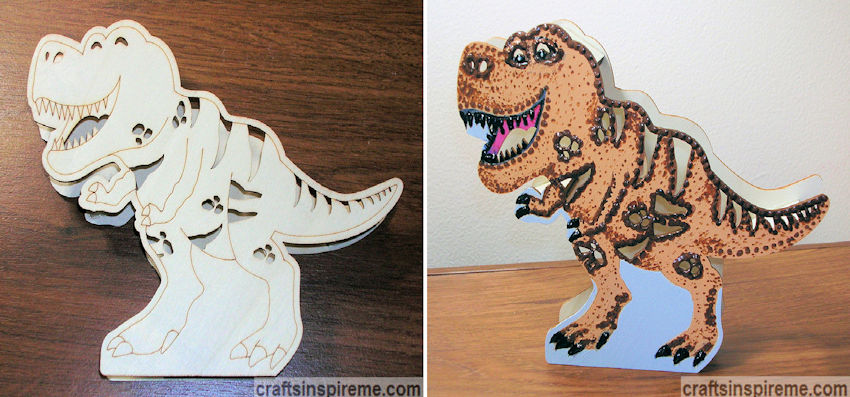
Raw Wood T- Rex, Front
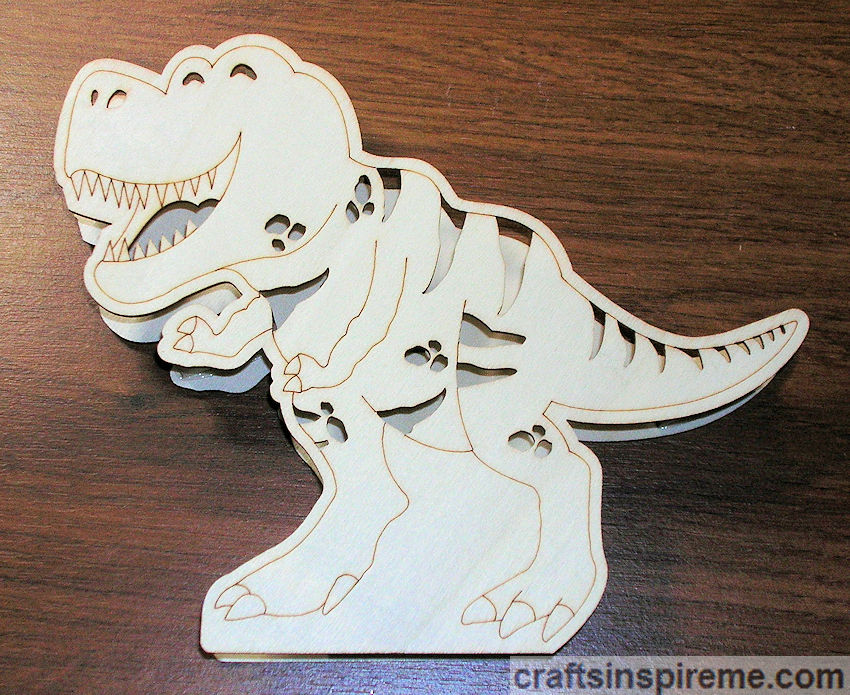
This wooden T-Rex (available at Michaels) has preprinted details and cut outs to enable green light from a concealed LED bulb to penetrate the figure and cause an eerie glow in the surrounding area.
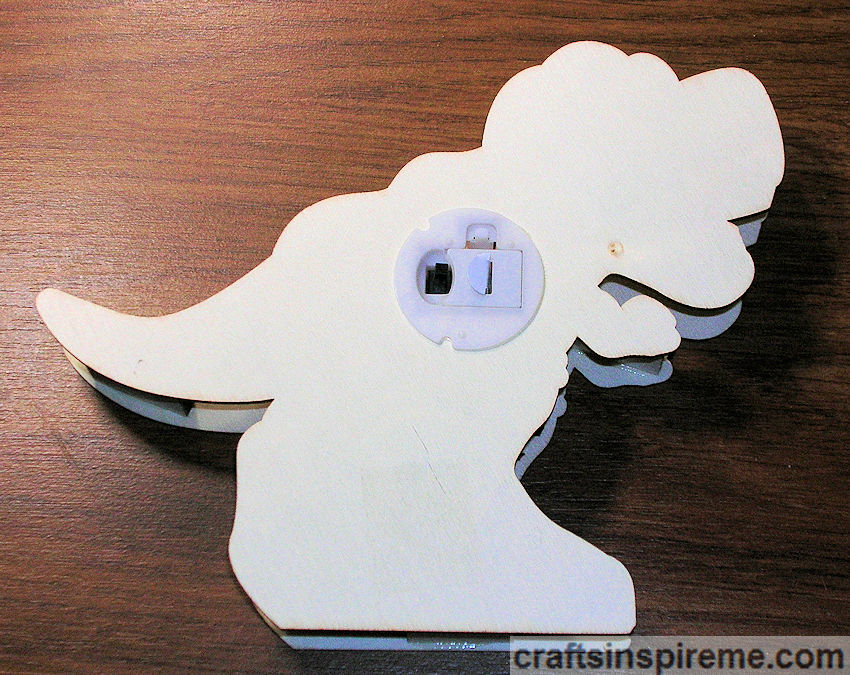
Raw Wood T- Rex, Back
The back is plain wood with the on/off switch and battery compartment. The wood on the front is smooth, however you might want to sand the back lightly, however that is entirely up to you.
Supplies
Supplies:
LED Wooden T-Rex (5-3/4” high x 7” wide x 1” thick)
Acrylic Paints – Cappuccino, Light Fuchsia, & Dove Gray
Paintbrushes
Markers – Brown & Black
Marker Drawn Details
Use magic markers to figure out the color scheme.
Painted Basecoat, Front
Paint the entire body with the basecoat.
Painted Basecoat, Back
Paint the basecoat on the back. I did not add any details, but you can if you wish.
Marker Drawn Details
Go over the details with markers.
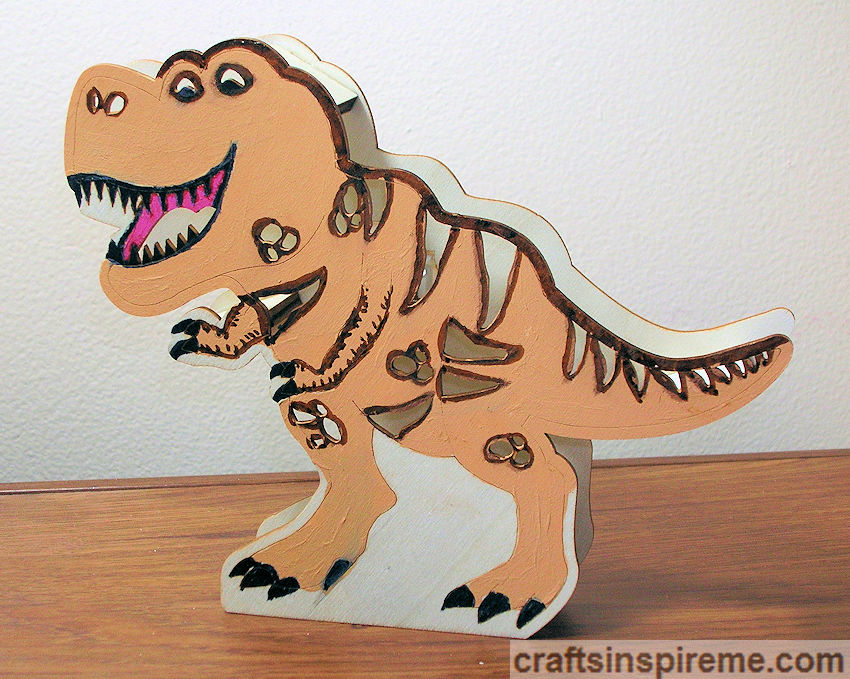
Painted Gray Background
Paint the background gray to contrast with the tan body. At this point you could stop.
If you have been following this blog for a while, you know there is a more advanced painted version. Please read on to discover how to give this dinosaur a more reptilian appearance.
Advanced 3D Painting:
Three-Dimensional Fabric Paints
Supplies:
1) Bottle fabric paint – Brown
1) Bottle fabric paint – Black
Painted 3D Details
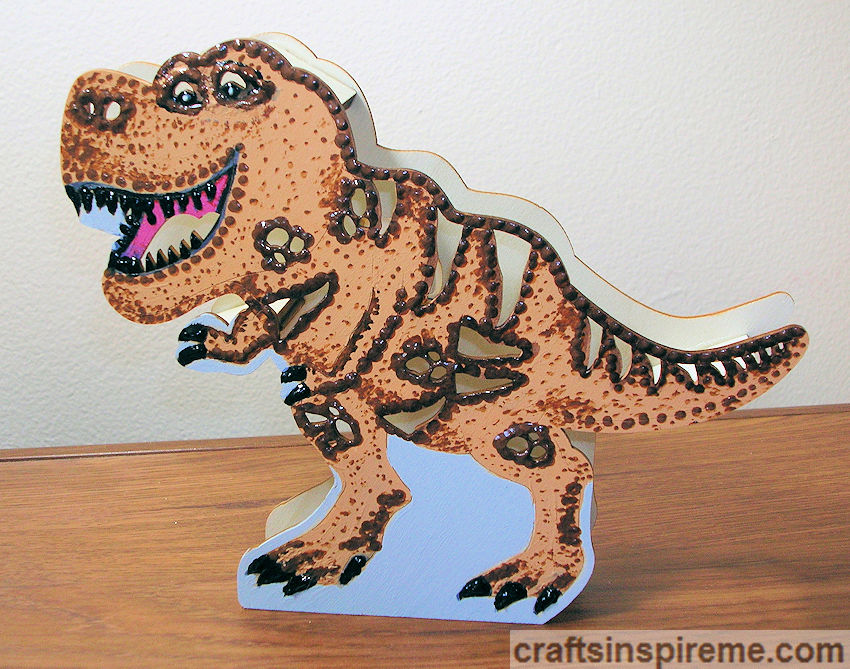
Using brown fabric paint, apply nubby texture to the body. The black paint is for the teeth, pupils, and claws. I outlined the eyes in black too but didn’t like it. To me, he appeared to be wearing a pair of sunglasses. (lol) You can see the revision below.
Completed T-Rex
This is the completed Tyrannosaurus Rex in all his glory.
T-Rex Before & After
I am always surprised seeing the plain original wood side by side with the completed project. Caught up in the creative process, it’s easy to forget where we started.
Lit T-Rex with Flash
This photo, taken using flash photography, shows the soft glow of the LED light.
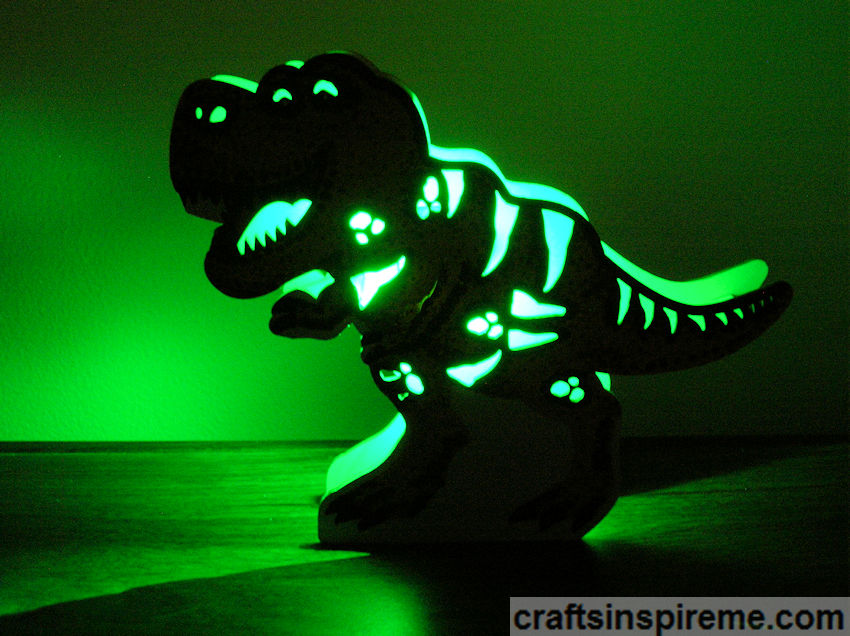
Lit T-Rex without Flash
In a dark room, this T-Rex makes a cool nightlight.
I hope you enjoyed this transformative journey. Thank you for coming along for the ride. What is your favorite dinosaur and why? Please let me know in the comments section.
Welcome to part two delving into the inspiring art of painting. As we go, we will examine different types of paints and techniques to pique your interest. By the end, I hope you will have better insight into the many artistic possibilities and take away a few ideas for future creative projects. Let’s go…
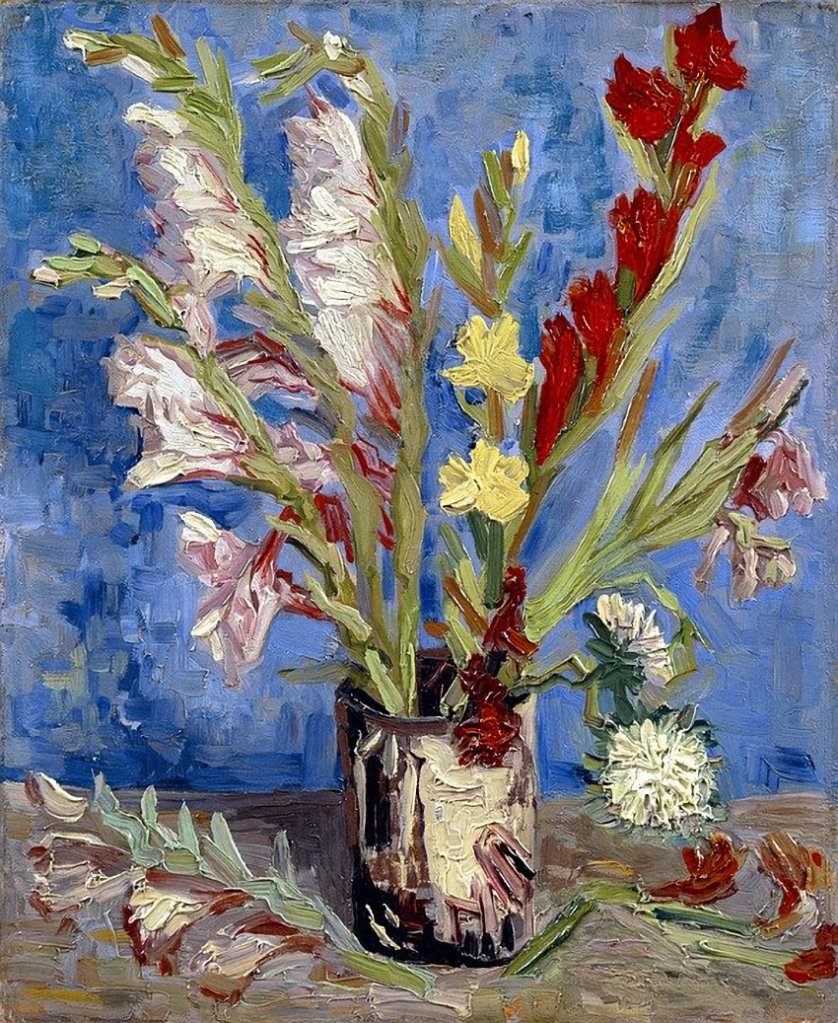
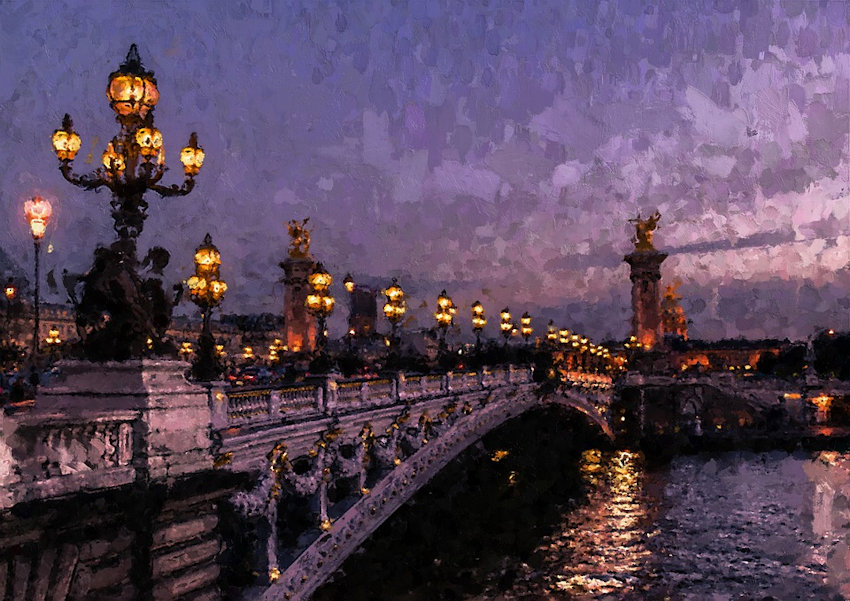
Oil Painting: Produces incredible effects ranging from translucency to rich sculpted textures.
Oil on Canvas
Compared to other options, oil painting requires more supplies, such as solvents, primer, and varnish, and as a result the chemical fumes necessitate working in well-ventilated rooms or outdoors.
Smooth Application
Applying oil paints with brushes produces intricate details and luminous colors.
Thick Textured Application
When oil paint is applied with a palette knife (a.k.a. painting knife), textures can be achieved with sculptural, three-dimensional accuracy found in nature such as leaves, flowers, and trees.
Fine Arts Collectibles
Prior to using oil paints, surfaces must be prepped with primer or gesso, and upon completion the finished work should be sealed with varnish to protect the paints.
Wall Art
The preferred choice of world-renowned artists, such as Van Gogh, and Michelangelo, and da Vinci, oil paints are excellent for a wide variety of subjects in styles ranging from classical to abstract and everything in between.
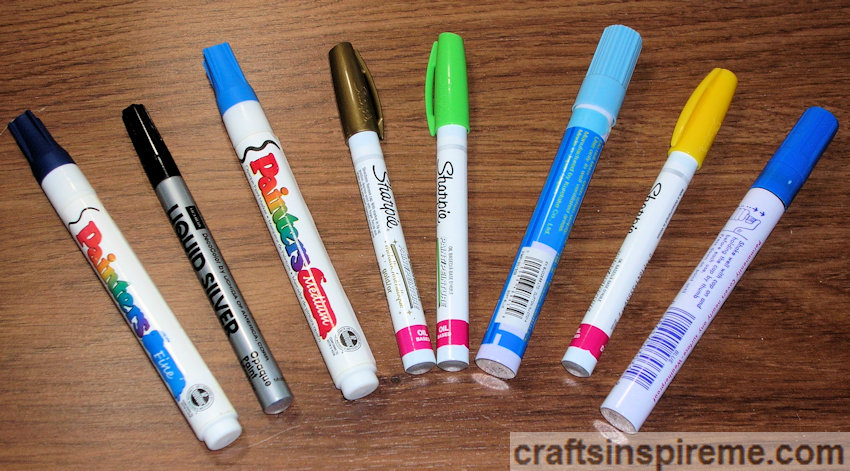
Paint Pens: Offer precise control for detailing and illustration.
Assorted Paint Pens
Paint pens are prefilled with water-based paints, oil-based paints, or fabric paints in a variety of colors. Since many have strong fumes, you may need to work in a well-ventilated room or paint outdoors.
Specialty Finishes
Tip sizes are available in fine, medium, and broad. You can create layers of colors and finishes, such as metallics and glitter.
Any Materials
Whether you plan to paint rocks, plastic, metal or just about anything else, there is a paint pen for it. The only limitation might be very thin materials, which may allow the paint to bleed through, so remember to have a protective cover underneath to protect your worksurface.
Exterior & Interior
Interior or exterior projects are no problem. Be sure to check pen labels for usage because sometimes store displays become mixed up. Find the right pen for the job and it will last for years to come.
Hand Drawn Designs
Let your imagination run wild on new DIY projects or existing items with a fresh coat of paint and custom hand-drawn designs.
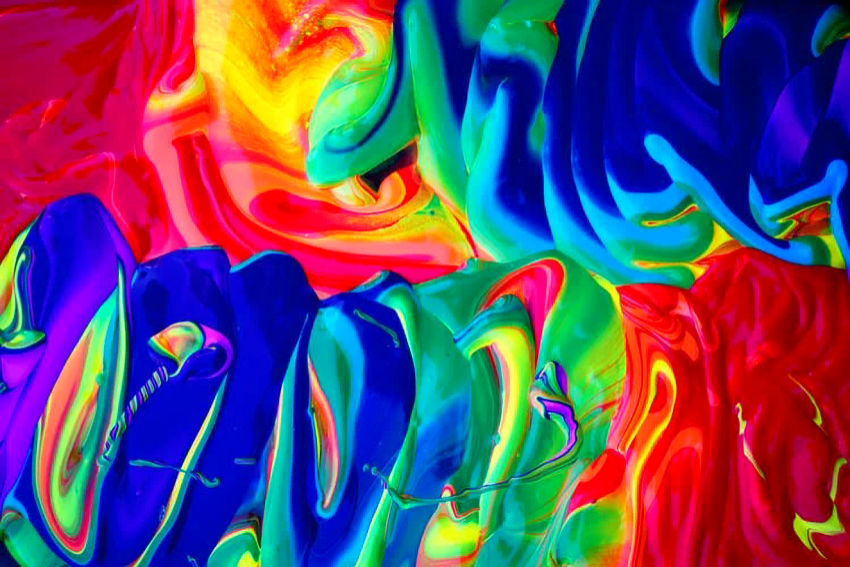
Paint Pouring: Represents playful self-expression, where each combination of colors results in freeform, one-of-a-kind designs.
Mixing Paints
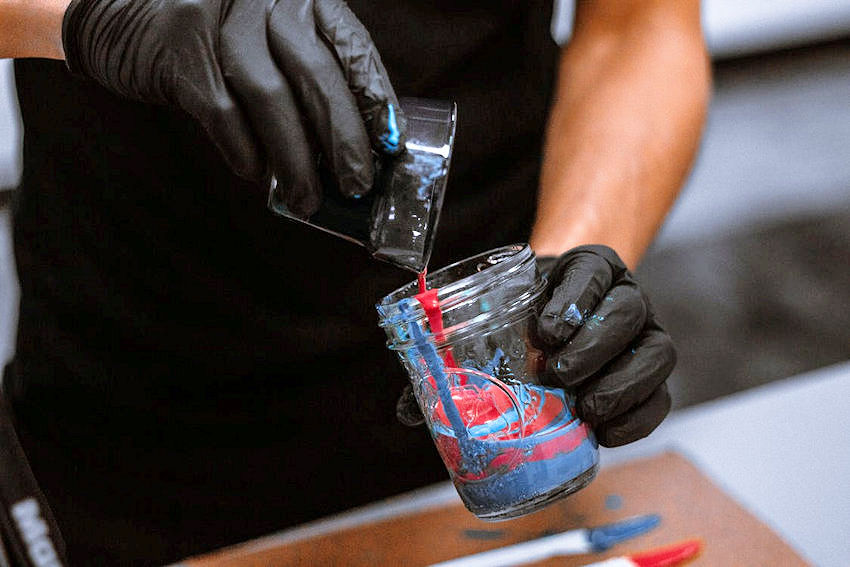
Although acrylic paint cleans up easily with soap and water, you will need gloves, an apron, a covered worksurface, and drop cloths to protect the floor.
Abstract Art
Cups of paint are simply poured onto a canvas or any object, and then tilted back and forth allowing gravity to handle the initial composition.
Decorative Items
Paint pouring utilizes unusual tools, including a hairdryer, wooden craft sticks, balloons, drops of silicone, and a kitchen torch.
Tabletop
Lively patterns resemble natural stone, undulating waves, or clouds drifting upon the sky. Turn ordinary tabletops, ceramics, coasters, picture frames and more into unique works of art.
Abstract Art
Set your inner child free by exploring the playful world of paint pouring.
Watercolor Painting: soft and dreamy with vivid colors and subtle nuances.
Watercolor Basics
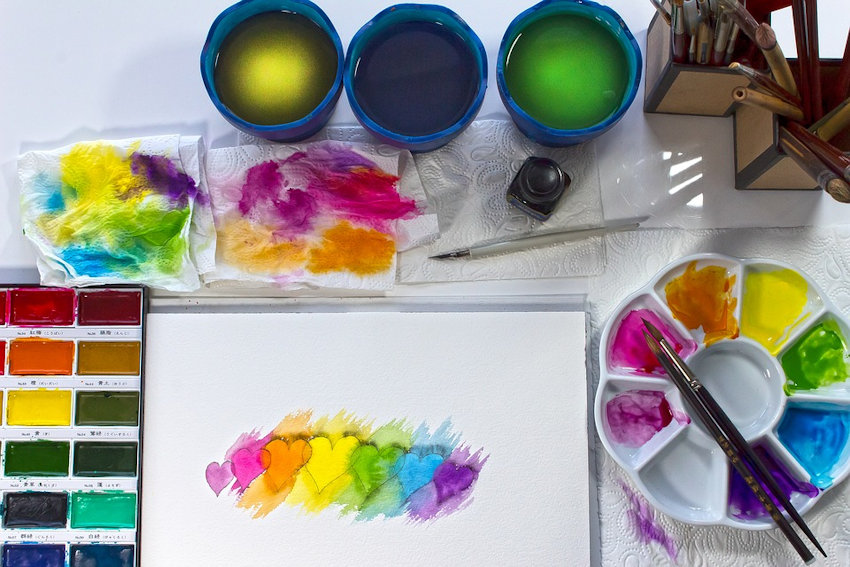
For many people, watercolors are the first introduction to painting with beginner’s trays prefilled with paint. Watercolors are nontoxic and cleanup is easy with water.
Dreamy Gardens
Be sure to paint on watercolor paper, which dries flat. Regular paper is too thin, resulting in bubbles when wet followed by warping when dry.
Water & Sky
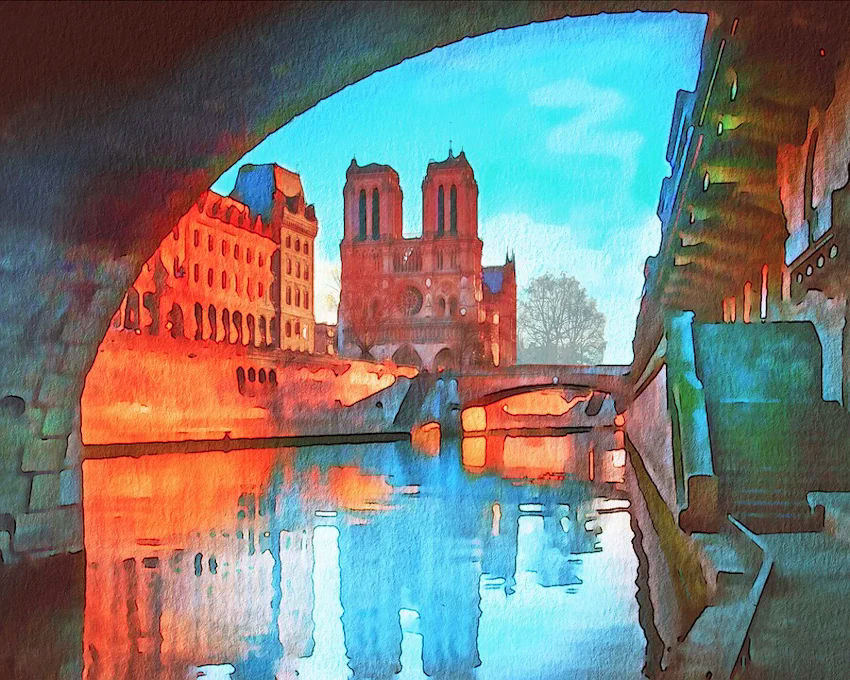
Watercolors are the perfect choice for painting water and sky, accompanied by reflections rivaling those in nature, but architecture presents a challenge. As you can see, the edges of Notre Dame Cathedral lack definition. Please refer to the photo below for the solution.
Watercolor Painting & Technical Pens
When you are painting a world-renowned landmark like the Taj Mahal, you really need to get it right because people will notice if something is out of place. Watercolors can be combined with technical pens, creating clean crisp edges for the structures and soft fluid movement in the reflecting pool and sky.
Aquatic Scenes
Ocean vistas and all the denizens of the sea benefit from the use of watercolors, which ebb and flow onto the page like the tide upon the sand.
Painting Gallery:
Oil Painting
Watercolor Painting
Paint Pens & Airbrushing
Paint Pouring
Painted Pottery & Ceramics
Oil Painting
Paint Pens & Acrylic Painting
Watercolor Painting & Mixed Media
Paint Pens & Airbrushing
Oil Painting
Mixed Media Sculpture Painting
Watercolor Painting
I hope you have found some inspiration to paint whatever appeals to you in a style all your own. To narrow down the options, review the painting photos above and search for more online. Notice the colors, patterns, textures, subjects, and special effects. Notice which ones really capture your attention. Do you have any favorites? Please let me know in the comments section. In case you missed part one of this series, please click here. Good luck with your painting endeavors!
Have you ever wanted to give painting a try? Anyone can paint. With a little patience and a lot of creativity, you will feel like an accomplished artist in no time. It’s fun, relaxing and reduces stress. What are you waiting for? Let’s get started!
Acrylic Painting: Bold colors, unlimited finishes and surfaces, ease of use
Paint by Number
One of the easiest ways for beginners is with an acrylic “Paint by Number” kit, which comes complete with paints, brushes, and a preprinted canvas. Simply match the numbered paints with their corresponding locations on the canvas. There is a wide range of themes for all ages and skill levels.
Decorative Painting & Wall Art
Acrylic paints can be used in almost any application. Brushes are cleaned with soap and water, and the paints have low or no odor, which is great for those sensitive to strong fumes.
Furniture Painting
Make a new piece of furniture look like an old friend with decorative designs and an antiquing finish.
Statues & Figurines
Upcycle a garage sale purchase with a fresh coat of paint and colorful accents.
Faux Finishes & Decorative Painting
Upgrade walls, or any surface with acrylic faux finishes and decorative painting, including Sponge Painting, Marbleized, Faux Wood Grain, Crackle, Metallic, Plaster, Textured, Stenciling, Stippling, Mural Painting, & Tromp l’oeil.
Airbrush Painting: Street art, murals, and no size limitations
Airbrushing
Airbrushing requires compressed air to disperse paint onto any surface. Cans of spray paint work in the same way and are often used on building-sized murals.
Large-Scale Painting
This handsome German shepherd painting disguises an otherwise unsightly telecommunications box.
Automobile Painting
Riding in style has a whole new meaning when your car becomes a mobile work of art.
Mural Painting
Let imagination run wild as any wall, inside or out, can be adorned with flights of fancy.
Tromp l’oeil Painting
Tromp l’oeil means “Fool the Eye” and in this photo three-dimensional painting turns this electrical transformer into a lovely stable, complete with bales of hay and a friendly face.
Fabric Painting: Art, fashion, and home furnishings
Hand Painting
Fabric markers can be used to layout your design, followed by fabric paint applied via brush or easy-squeeze bottles for three-dimensional paints.
Silk-Screening
Silk-screening is like stenciling for fabrics. A separate screen is used for each color, which is applied using a squeegee.
3-D Painting & Appliques
Fabric paints can be applied to any surface, bringing designs to life in three dimensions. They also function as glue, sealing the edges of appliques and adhering beads and other embellishments.
Tie Dyeing
Tie dyeing is easy for kids of all ages, and the end results are always a surprise.
Designing Home Furnishing & Apparel Fabrics
Large-scale patterns are perfect for upholstery, draperies, and pillows. Apparel styles are constantly changing. Launch the next fashion trend by creating and wearing your own designs.
Glass Painting: Illuminating color, and painting with light
Wall Hangings & Suncatchers
Luminous colors and intricate eye-catching details, hallmarks of stained glass, bring character and beautiful style to any décor.
Mosaic Glass Gems & Jewelry
Earrings, bracelets, necklaces sparkle with colorful glass beads. Mosaic glass gems are perfect accent on crafts as well as vases, flowerpots, etc.
Glassware
Drinking glasses and pitchers take center stage with hand-painted colorful accents.
Christmas Ornaments
With a box of clear glass ornaments, you can let your creativity sore. Paints can be applied inside and out, and the finishes range from metallic, pearlescent, iridescent, and glitter in every color of the rainbow.
Stained Glass Windows
Museums, churches, and many secular buildings are adorned with spectacular stained glass. Sunbeams are transformed into a dazzling kaleidoscope of heavenly light.
Painting Gallery:
Acrylic Painting, Airbrushing, & Paint Pens
Airbrushing
Acrylic Painting & Airbrushing
Fabric Painting
Glass Painting
Airbrushing
Acrylic Painting
Acrylic Painting & Airbrushing
Glass Painting
Acrylic Painting
Acrylic Painting & 3D Fabric Painting
Glass Painting
Painting is a wonderful pastime, which enriches your life and can be easily shared with family and friends. No matter what your style and interests may be, there’s a type of painting to challenge your skills and engage your mind for experiences that will last a lifetime. Enjoy the journey!
One of the most easily identifiable animals upon the face of the earth is the giraffe. There is nothing else like it – that long neck, towering legs and a fur pattern that resembles mosaics. Giraffes are so tall, that the babies are born at a minimum height of six-feet tall to feed from the mother.
Each subspecies has unique fur patterns and colors. There is a ridge on the forehead and two horn-like protrusions on top of the head.
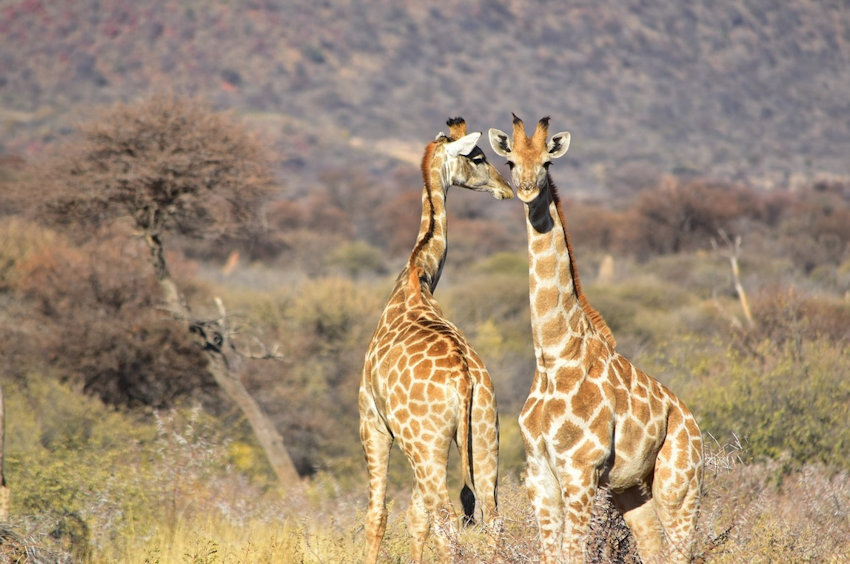
Some have spots down the length of their legs, while others have solid tan or white below the knee. For this project, you will need to look at giraffe photos and decide which pattern you prefer.
How to Paint a Wooden Giraffe:
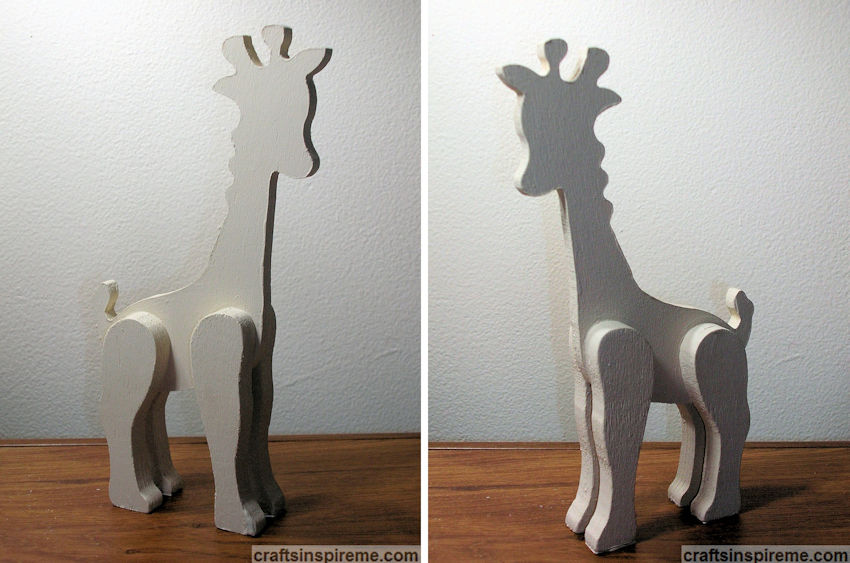
Raw Wood Giraffe
Both sides and all the edges will need to be sanded and painted. Ensure the giraffe stands without wobbling. If needed, restore balance by gluing pieces of thin cardstock to the bottom the feet.
Supplies
Supplies:
Wooden Giraffe (8-1/4” high x 4-1/4” wide x 1-1/4” thick)
Acrylic Paints – red, brown, orange, black, tan
Bottles Fabric Paint – brown, black
Paintbrushes
Sandpaper
Pencil
Sand & Paint Base Color
After sanding, paint the entire body tan.
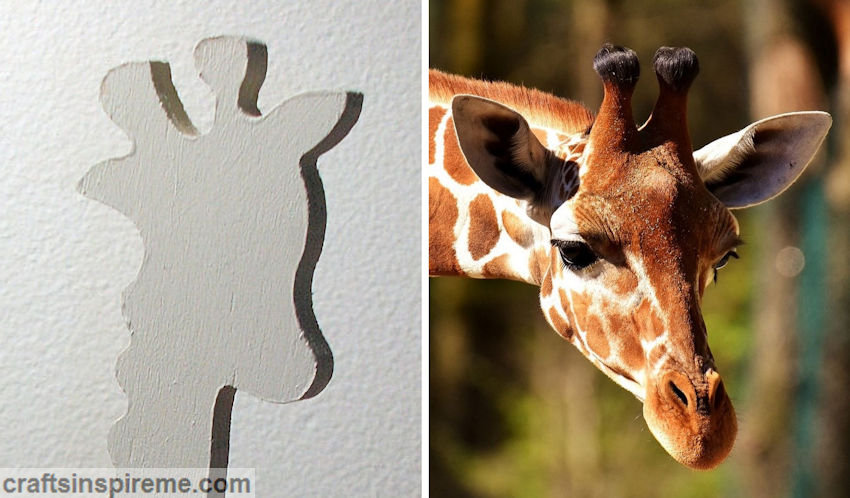
Reference – Giraffe’s Face
I bet you didn’t expect to have a Giraffe anatomy lesson! Typically, wood craft animals stand facing forward. If you look at the close-up photos above, you will notice this giraffe is turning his head to the side. This effects both sides of the head. Both eyes need to be on the same side. We will address the back of the head in a later step.
Hand Draw Details
Because this appears to be a baby giraffe, the facial features are cute but small, including the ridge between the eyes. I began drawing some of the spots to understand what the layout should be. To keep the pencil lines to a minimum, the remainder of the spots were freehanded with the paint brush.
Mix Custom Paint Color
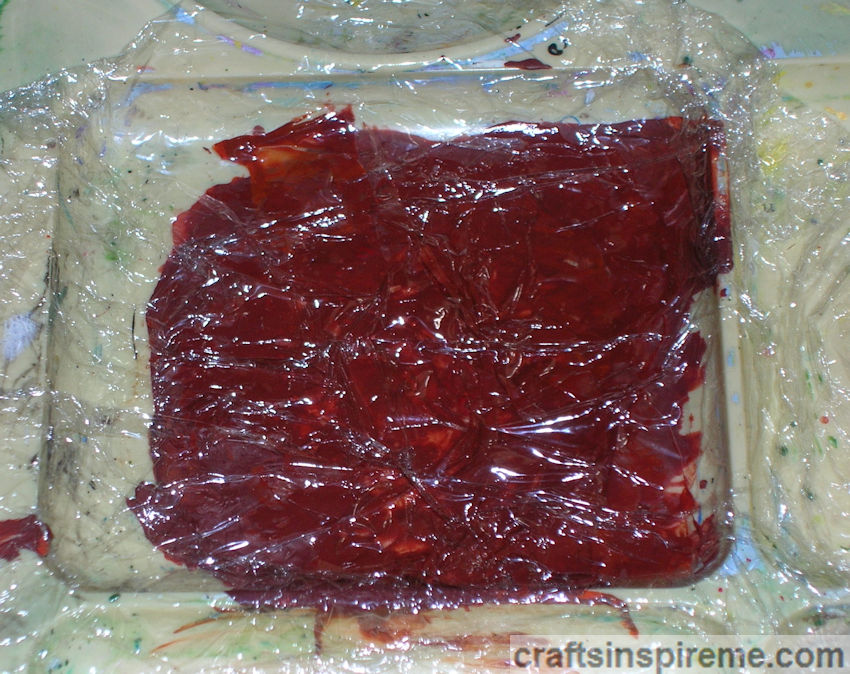
Be sure to mix enough paint for the giraffe’s spots to last throughout the project. To keep the paint moist on a paint palette, cover it with plastic wrap, ensuring the plastic is pressed down upon the paint surface and the edges are sealed. You may need to moisten the paint, but the color will be preserved. I created a reddish-brown by mixing brown, red and orange acrylic paints.
Paint the Spots on the Neck
Use a fine brush for the spots. Be sure to leave space in between, which resembles mosaic tile set in grout.
Paint Spots – Right Side
As you work your way down the body, the size of the spots diminishes. Be sure to paint spots on the edges, including the front and back of each leg and the neck too.
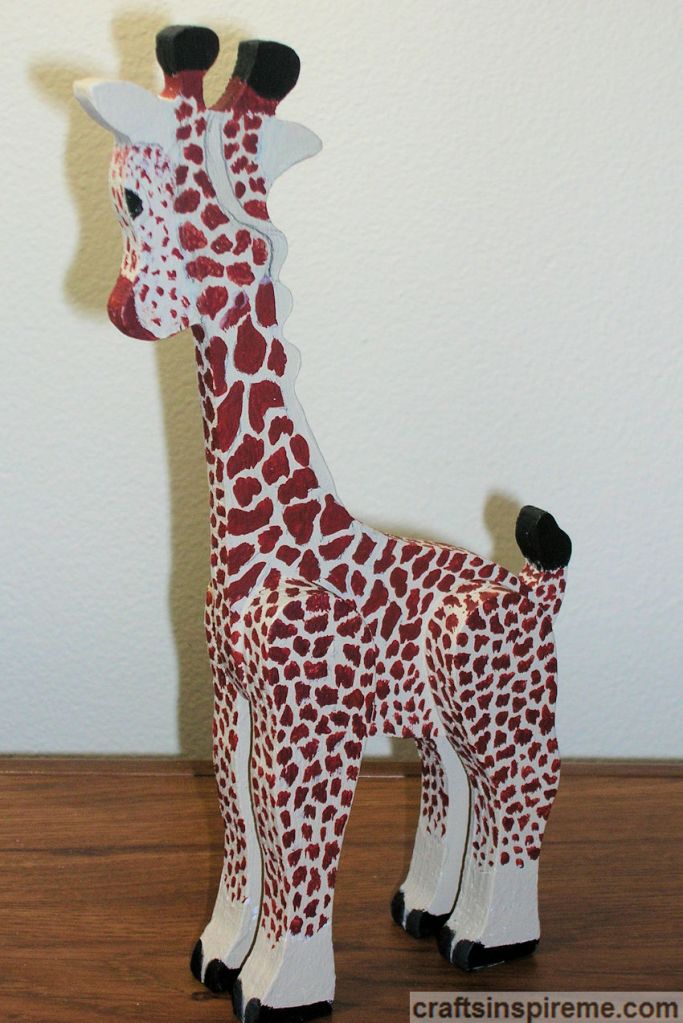
Paint Spots – Left Side
For this step, the following areas will remain tan: the back of the head, the mane, the inside of each leg, the feet, and the tail.
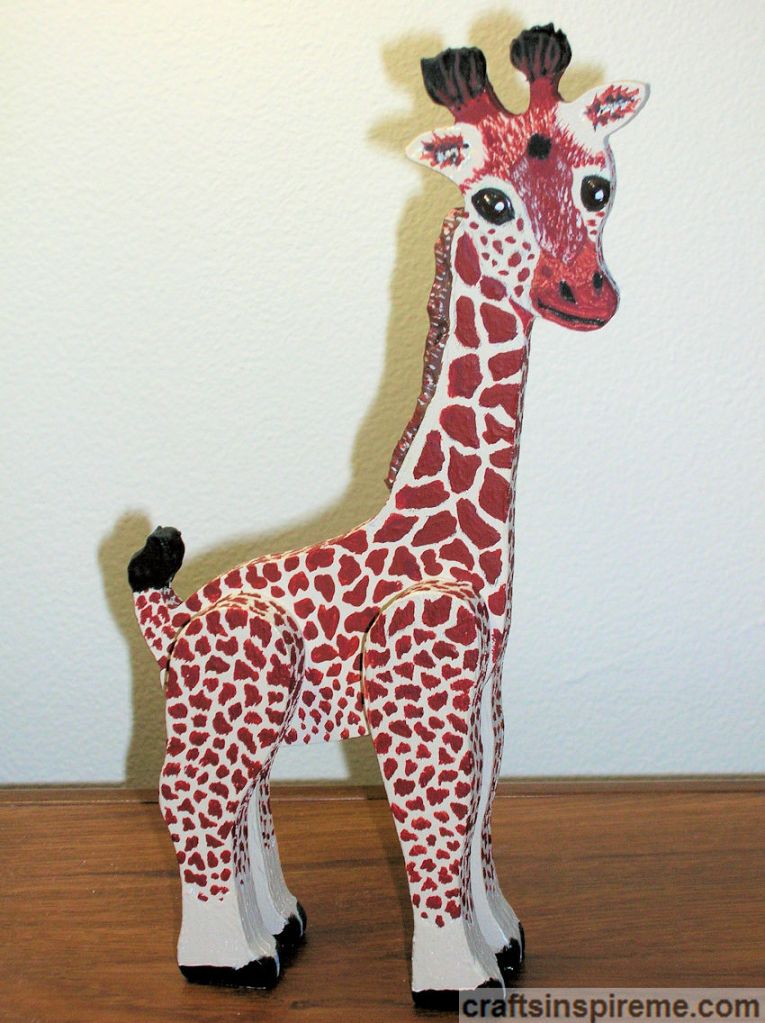
Defining the Details – Right Side
Paint the head and facial details, except for the eyes, which will be completed in a later step. Paint the tail and hooves black. The muzzle and fur between the eyes are darker, while the cheeks are lightly spotted. The “horns” are a combination of black and brown.
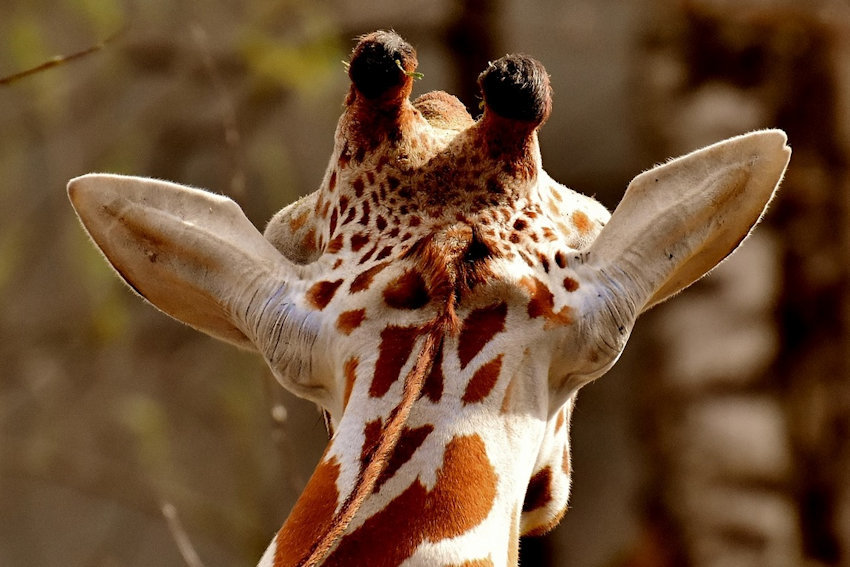
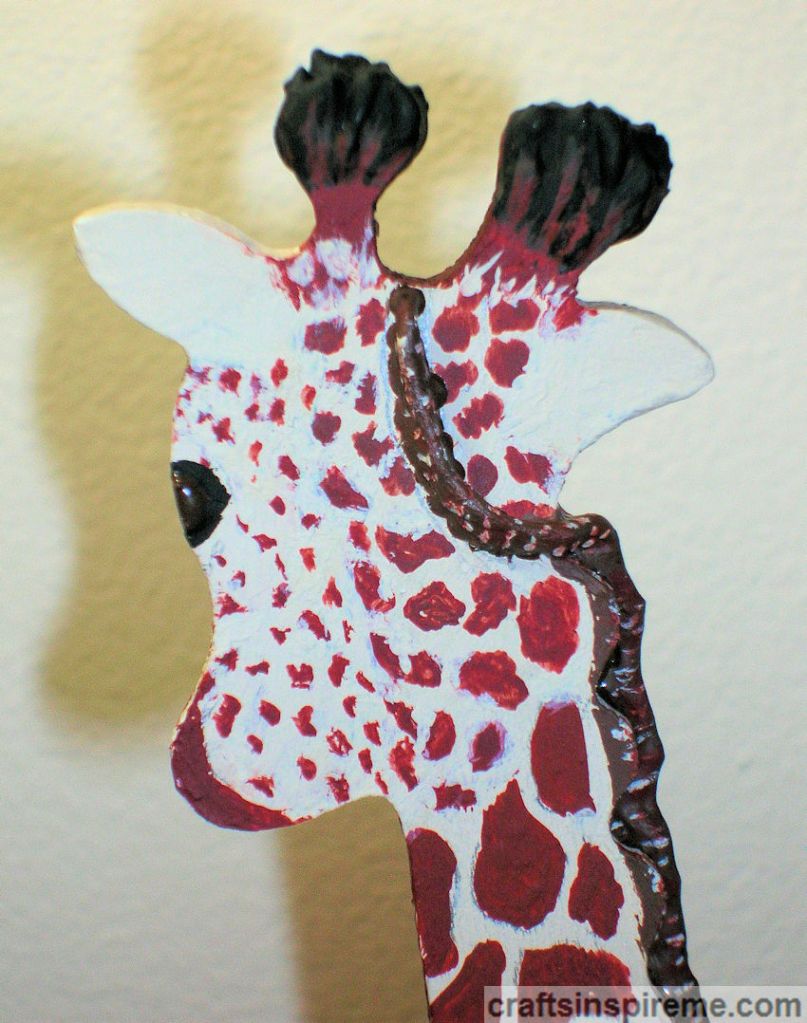
Reference – Back of Giraffe’s Head
Figuring out the back of the head was difficult. Because our giraffe is looking off to the side, you will only see a portion of the face.
Reference – Back of Head & Mane
When the giraffe moves his head and neck, the mane twists and turns.
Reference – Back of Head & Mane
There are no spots on the ears. Notice how the mane twists as the neck shifts.
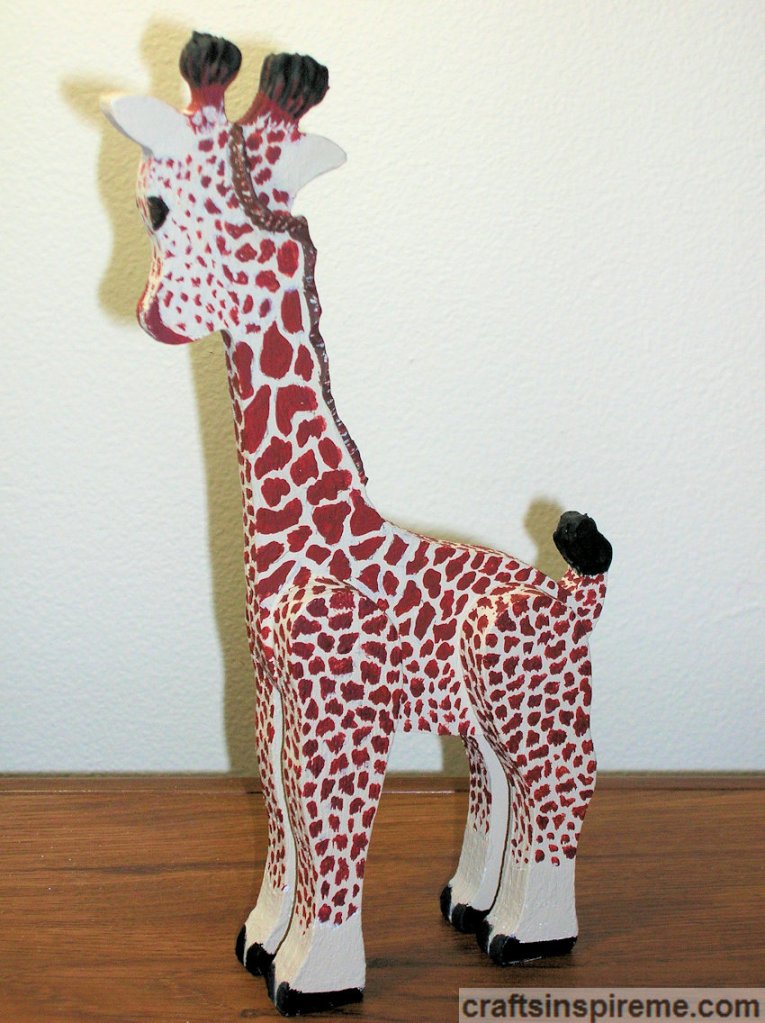
Defining the Details – Left Side
Draw the details on the back of the head. Be sure to show the twisting mane. Paint all the details except for the mane.
Paint 3D Details – Right Side
The eyes are painted with brown fabric paint for a 3D effect and outlined in black. After it dries, add black pupils and white dots in the center to bring life to the eyes. Using brown fabric paint, create a raised mane, centered down the entire length of the neck. It will take two coats to make the furry mane to stand upright. Create fur on the “horns” with black fabric paint.
Paint 3D Details – Left Side
Paint the eye with brown fabric paint and outline with black. Using brown fabric paint, complete the twisted mane on the back of the head. Create fur on the “horns” with black fabric paint. Allow it to dry overnight.
Finished Close Up – Face
The following steps apply to both sides: Because fabric paint is shiny, paint over the mane with brown acrylic and then highlight it with reddish brown and tan. Paint the horns with black acrylic. Some reddish-brown paint was brushed into the ears and up onto the furry horns.
Finished Close Up – Back of Head
Touch up any details as needed. The spots on the left side of the neck, closest to the face, curve toward the face to give a three-dimensional roundness to the upper portion of the neck.
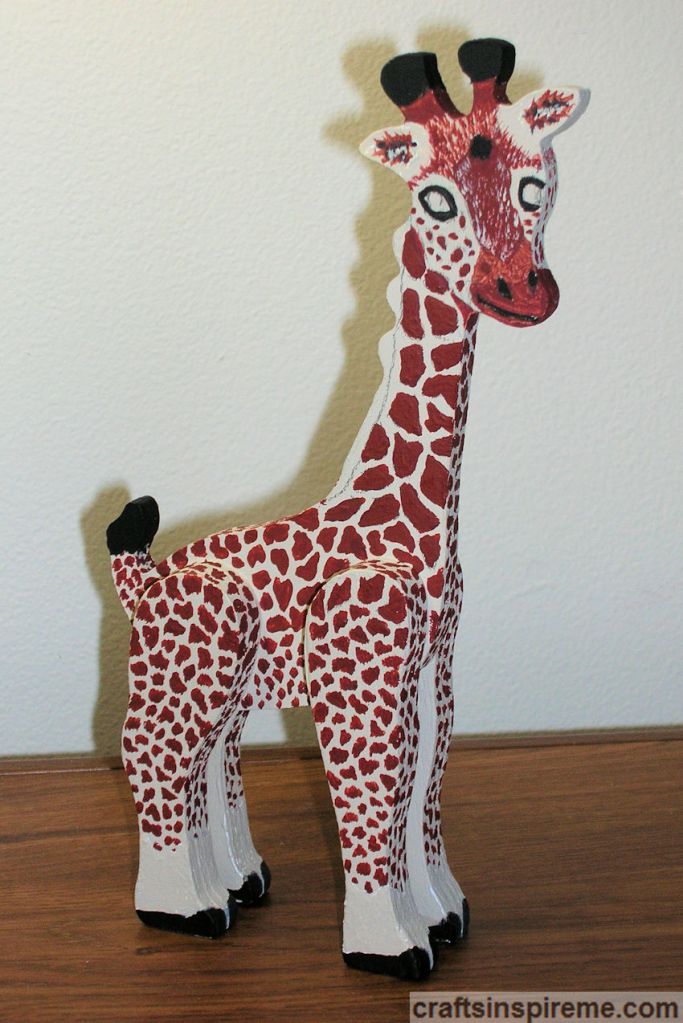
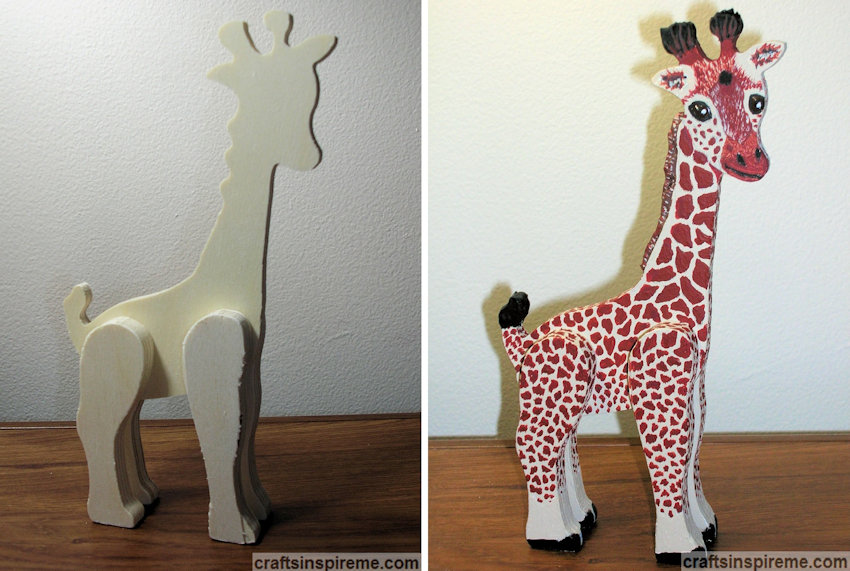
Giraffe – Before & After
Here is a side-by-side comparison of the original raw wood giraffe and the fully detailed project at completion.
I had a lot of fun painting this little guy. Figuring out the anatomy was challenging and rewarding. There are many wooden animal crafts waiting for good homes. Check out your local craft stores or the internet to find one you will love. Good luck!
Believe it or not, color influences our behavior, actions and expectations. Businesses use this knowledge to gain customers, build trust and brand recognition, and increase their profitability. Sometimes it is quite obvious, and others are more subliminal. There’s a delicate balance in creating a memorable impression to play upon our emotions or inspire particular thoughts and actions. Let’s look at some examples of how color is being used on a daily basis.
But first, let’s play a game! Can you name each of the companies associated with the four photos above? Your subconscious mind has been trained to recognize brands. Many are instantly known by a particular color combination. Did you guess them all correctly? Read on to find the answers.
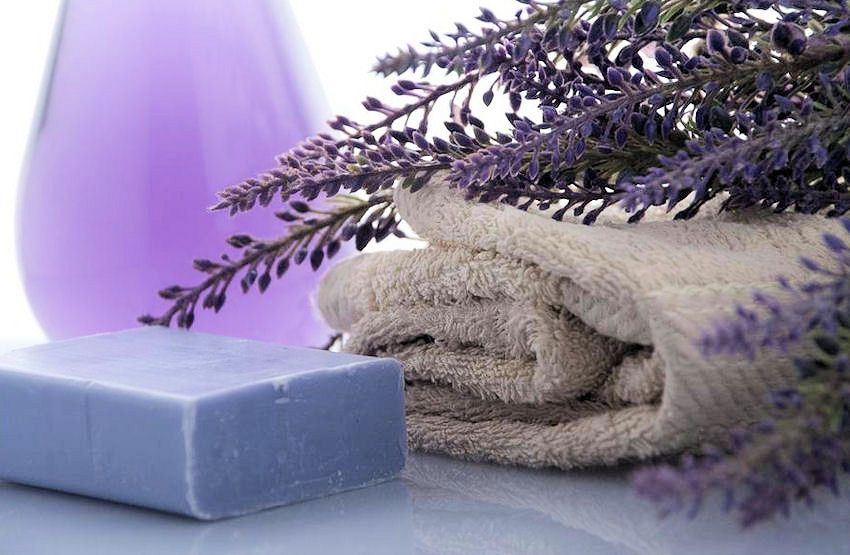
Day spas offer renewal and relaxation by reconnecting with Nature through pampering treatments set in rooms with earth tones, blues, greens and purples to soothe away the stresses of everyday life. The sweet floral scent of lavender is known to promote restful sleep and has an instant calming affect simply by smelling the fragrance.
The laboratory interiors are typically white to give the impression of cleanliness and purity even though we know there are millions of microscopic germs. Antibacterial wipe, anyone?
There was a time when banks were red brick buildings, symbolic of strength, wealth, and confidence to weather any storm. Today bank’s branding colors include red (a power color and a nod to bricks of past), and green (the color of money and abundance.) Regardless of the colors your bank uses, the message is the same: “Your money is safe with us.”
Tiffany & Co. is easily recognizable by its robin’s egg blue packaging, store displays, and interior accents. Many people refer to this color as “Tiffany Blue.” Because it is rather rare in nature, the color suggests bold but delicate designs in timeless jewelry to be treasured for a lifetime.
The jewelry designer, Cartier, often uses leopard print and their signature red packaging in their advertising, but as you can see from the photo, Mother Nature is the originator of this color, pattern and texture combo. It’s wild, exotic, and luxurious.
Na Hoku, a Hawaiian jeweler, entices shoppers with a deep blue storefront dotted with shiny silver sparkles, and pairs of lit torches on either side of the entrance, which calls to mind warm tropical evenings under a star-filled sky. Inside, palm tree murals further that beachy vibe, while jewelry designs celebrate the beauty of this paradise found.
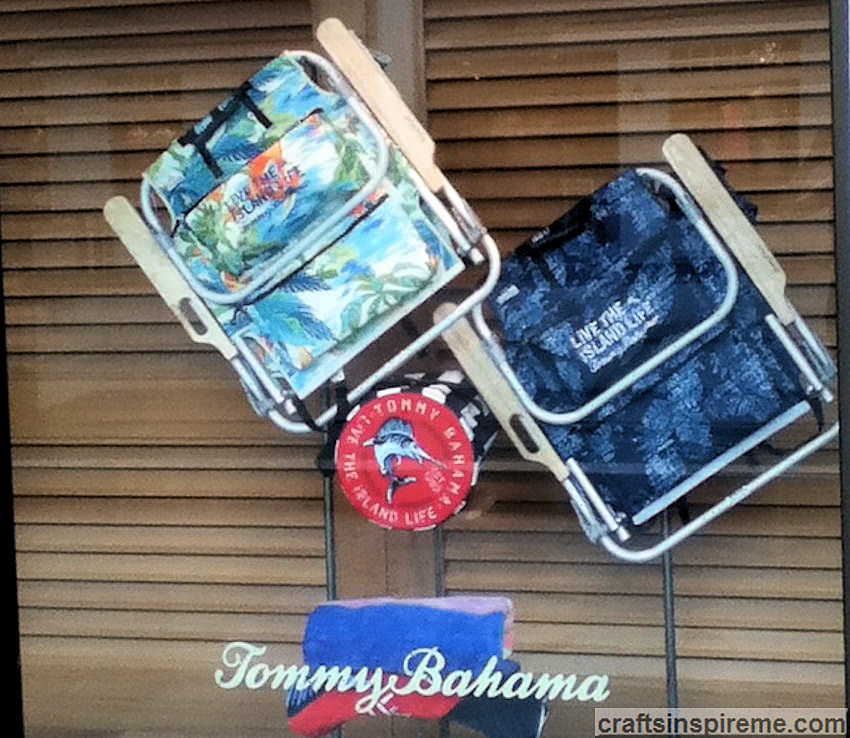
Another name synonymous with the tropics is Tommy Bahama. Their merchandise and stores exude island charm with natural wood plantation shutters, vibrant floral decor, and exotic prints on everything from clothing to umbrellas and beach chairs. Sometimes the stores feature musicians playing guitars or steel drums to foster a playful, party atmosphere inviting everyone to come on in, stay a while, and take a piece if the tropics home with you today.
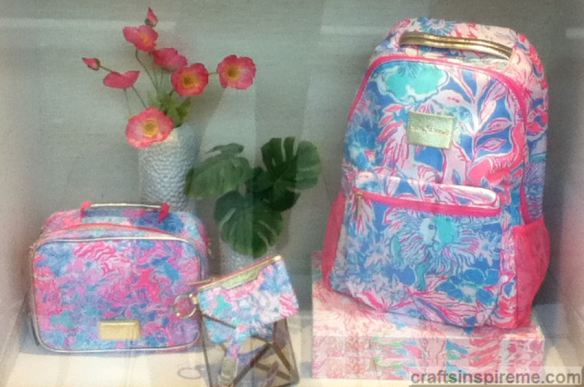
You would think that limiting yourself to a palette of pastel colors would restrict your options for creating new products and drawing new customers. Lilly Pulitzer has successfully accomplished this and is one of the most easily recognized brands in the world.
The French company, L’Occitane, stands out among a sea of retailers because of its signature golden yellow color on its products, storefront and interior. Competition is fierce so it pays to draw attention with a bold presence. Back it up with fine quality and service, and you will have customers for life.
The warm, rich, layered flavors of coffee are echoed in the earth tones, wood grain and brick textures in this popular coffee shop. This down to earth atmosphere invites you to kick back and stay a while, as you enjoy a few cups of your favorite beverage and maybe a scrumptious, fresh-baked muffin too.
The green walls and brown display case suggest nature. The signage reassures shoppers it’s fresh and organic. The light purple labels and packaging are appealing against the reds, oranges and greens found in fresh produce. The better it looks, the more you’ll want to buy.
Food packaging depicts professionally prepared and photographed dishes to tempt you. The actual product may look nothing like it, but manufacturers pay consultants hefty fees to select the perfect colors for their products as well as the packaging. Supermarkets invest fortunes in colorful displays to entice shoppers to buy more.
Time Square – Billboards, storefronts, and signage all vie for your attention in a very competitive world. Where will you spend your shopping dollars – probably at the shops with the most inventive storefronts and/or branding? Those advertising campaigns stick with you, and your brain is all too happy to supply you with purchasing options.
You’re seated at a table in a fine restaurant sipping wine in an elegantly appointed room with red walls. Why? Studies show the color red stimulates the appetite, which results in consuming more food and drinks and more profits for the restaurant. Restaurant ambiance is created by combining many elements – light level, color scheme, lamp type, china color and pattern, linens, upholstery, etc. Nothing is by accident – it’s tailored to make you spend more.
McDonalds enlists the help of the color red to encourage eating more, but it’s combined with yellow so don’t get too comfy. Hard seats and dense table arrangements ensure guests will make this a short stay. The subliminal message: Eat fast and go!
The Cheesecake Factory – What will you do to pass the time while you wait for a table? You’re hungry. You could take a look at the menu, but most customers peruse the Takeout Desserts counter, which is filled with the most tempting cheesecakes and sweets. The rich chocolate browns and caramel colors, in the interior as well as the foods, entice your taste buds. You’re not walking out of here without buying dessert.
What could be more outdoors than forest green accents, river rocks, and lots of natural wood trim? Eddie Bauer immerses customers in the great outdoors long before their adventures begin.
Take a look at your office, the local supermarket, and the stores you frequent. What kind of atmosphere are the colors and textures creating? How do they make you feel? If you could make one change, what would it be? Hopefully this has given you some food for thought. If you have any ideas to share, please note them in the comments section. Until next time…
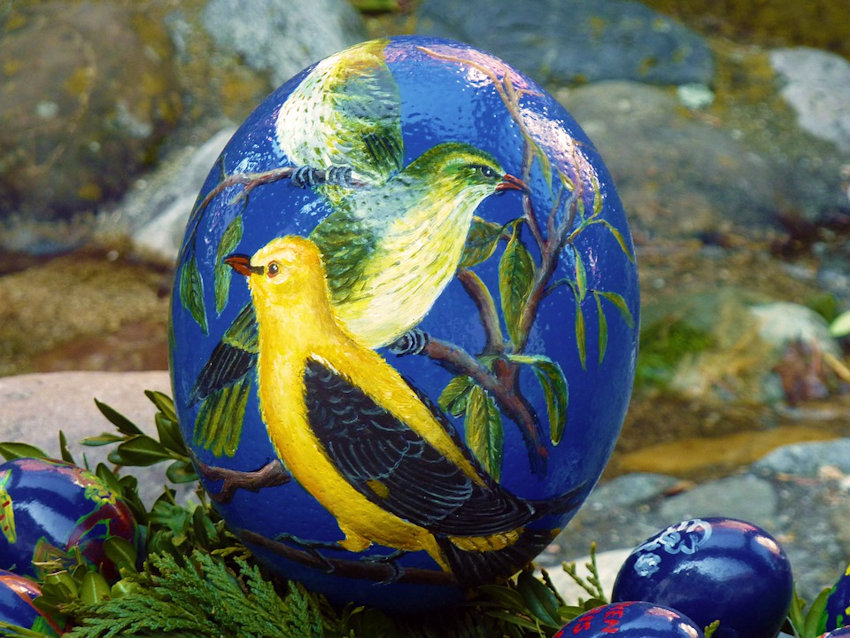
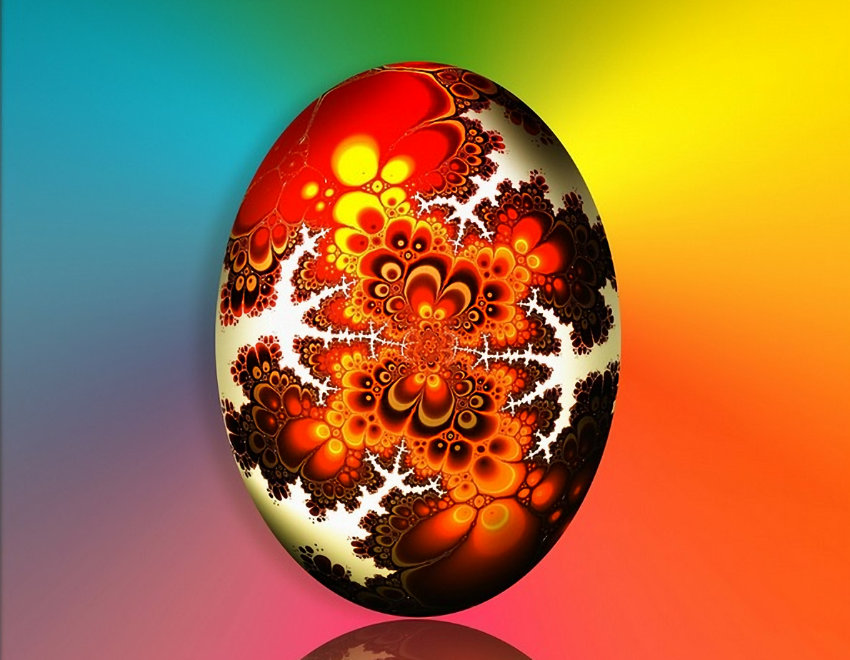
Dyed eggs are a staple of any Easter celebration. All you need is an egg dyeing kit and some vinegar, which makes it easily accessible for all ages. Decorating doesn’t have to be limited to dye and farm fresh eggs. Options include paints, fabrics, markers, ribbons, and appliques, while the eggs can be wooden, foam, or plastic, just to name a few. Let’s look at a variety of decorated eggs to get your creative juices flowing.
Painted Broken Eggs
Crackle Finish Egg
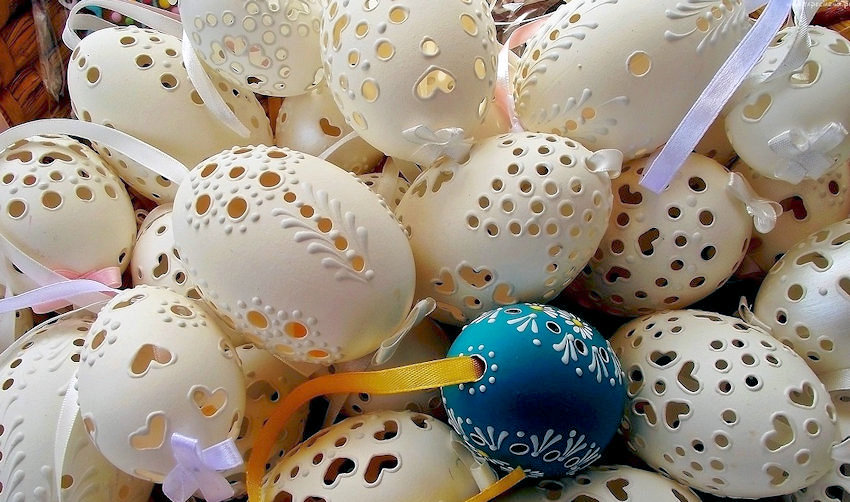
Pierced Eggs with 3D Painted Accents
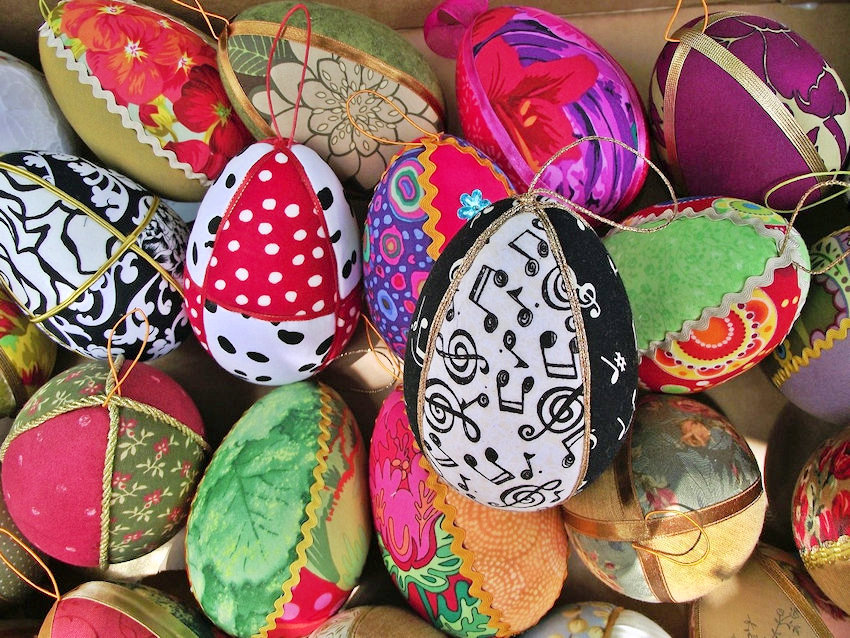
Fabric Wrapped Eggs with Decorative Trims
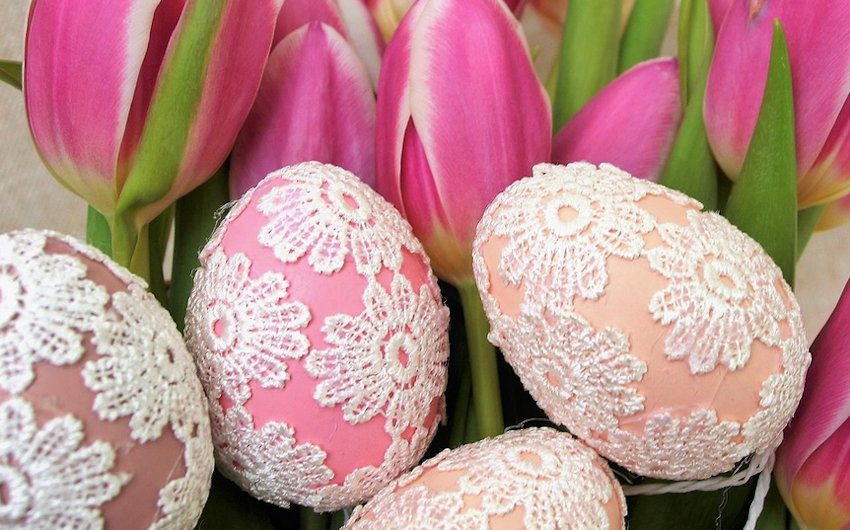
Dyed & Lace Appliqued Eggs
Scrapbooking Eggs
Quilled Egg
Decoupage Egg
Multicolor Marker Egg
Illustrated Egg
Silk Flower Applique Egg
Dyed & Beaded Eggs
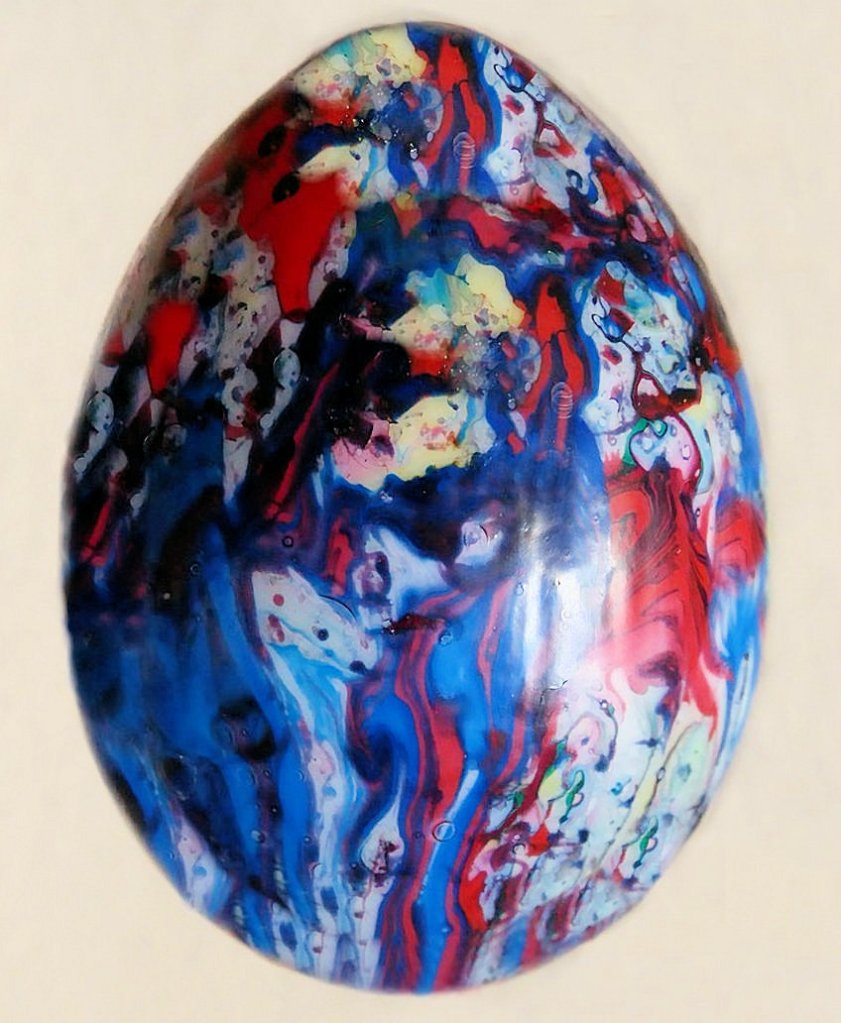
Paint Pour Egg
Sponge Painted Egg
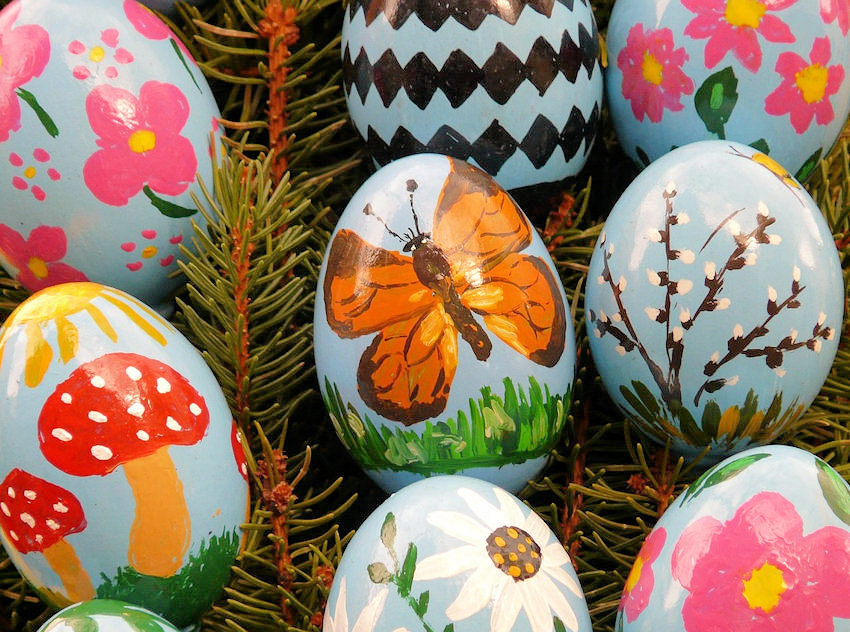
Hand Painting Eggs
Hand Painted Eggs
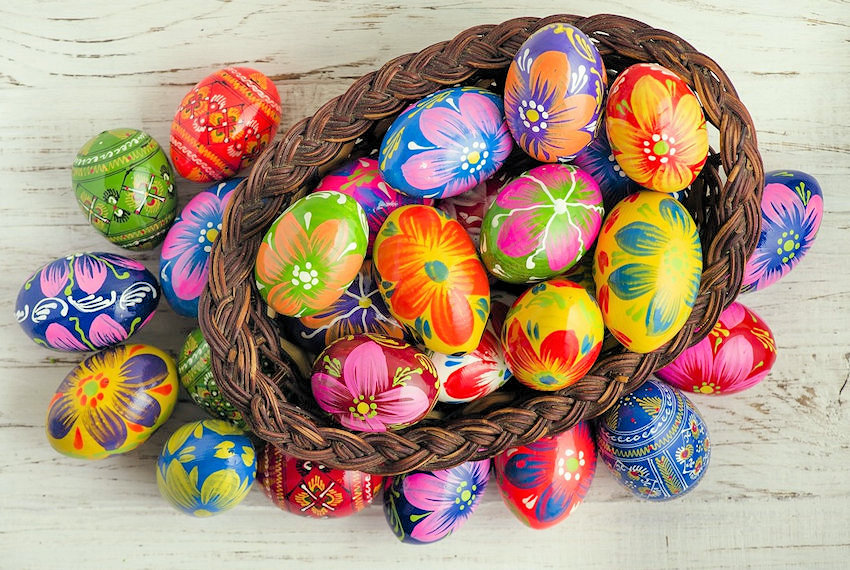
Hand Painted Eggs
3D Hand Painting Eggs
Hand Painted 3D Metallic Eggs
Romanian 3D Metallic Eggs
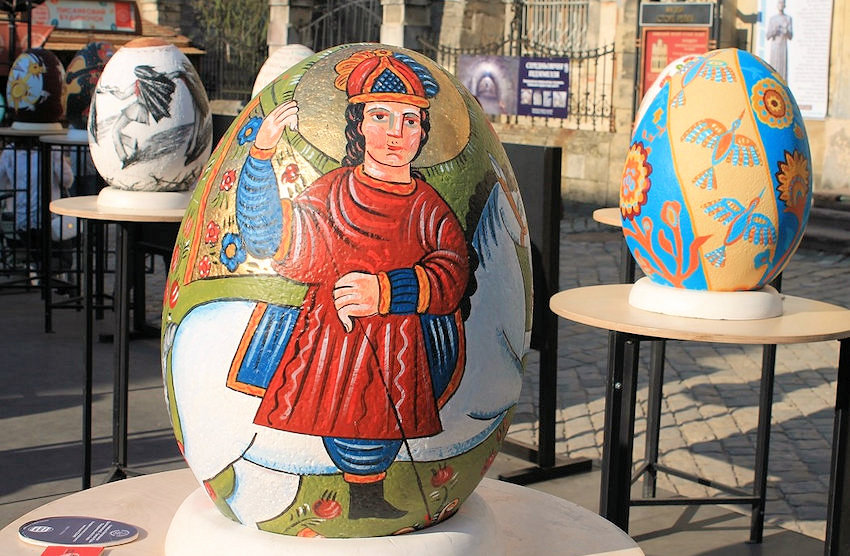
Ukrainian Egg
Fine Art Eggs
Fine Art Eggs
Hand Painted Abstract Art Egg
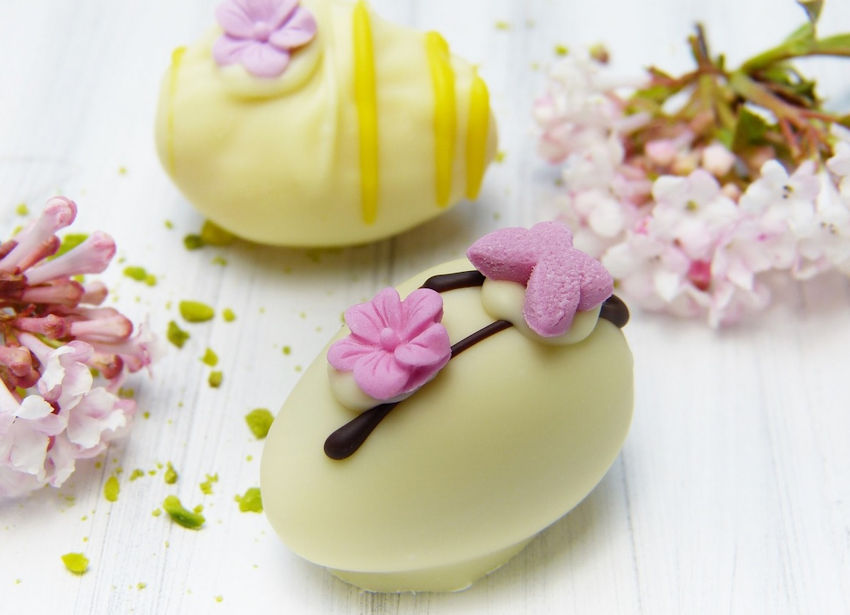
Chocolate Eggs
If you have an egg allergy or if painting is not in your skill set, chocolate eggs can be decorated using the same design principles shown throughout these photos.
I hope you have found some inspiration and will try your hand at decorating eggs. Do you have a favorite? Please let me know in the comments section.
Collages can be created by two different methods: 1) “Old School” Traditional -Assemble and glue groups of photos onto a backer board, or 2) High Tech – Use photo editing software. Both methods are fun and produce impressive results. Let’s look at several possibilities…
“Old School” Collages:
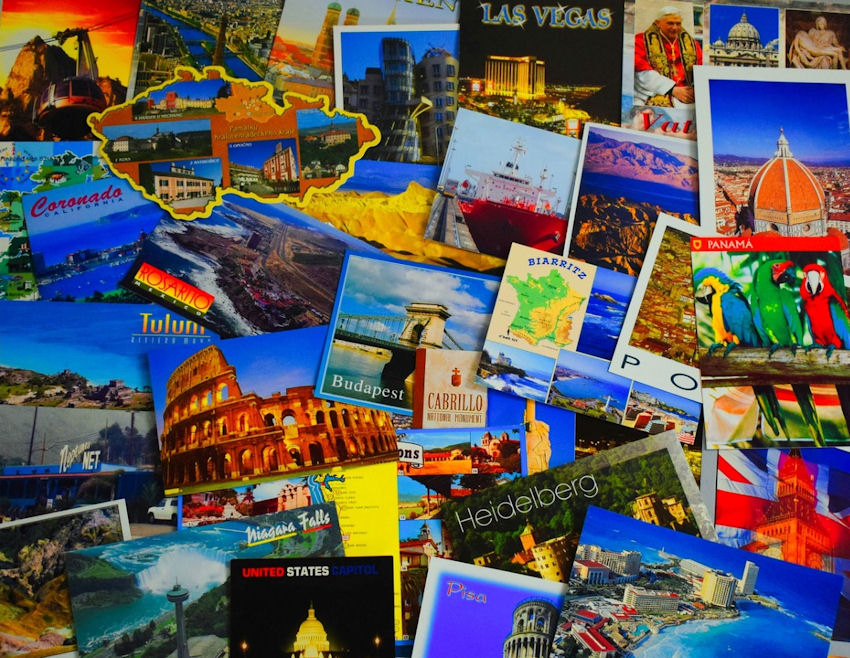
Postcard Collage
Many people collect postcards during their travels. Instead of stuffing them in a drawer, create a collage, frame it, and hand it up so you can reminisce about past vacations and dream of future destinations.
Vision Board
What are your dreams? A vision board helps focus mental and physical energy toward achieving your goals. Magazines, catalogs, travel guides and brochures provide great source material for collages.
For more information about traditional collage making, please click here.
Digital Collages:
Horizontal Grid (a.k.a. Photo Montage)
A horizontal collage is a great way of displaying your favorite photos, such as family members, fur babies, or anything else that warms your heart.
Horizontal Grid
Whatever you love – fireworks, lighthouses, beaches – can be assembled into a frameable work of art.
Layered Images
Compose a one-of-a-kind masterpiece by overlaying multiple images.
Symmetrical Grid
Displaying your collectibles, such as antique door hardware, requires a lot of space, but a photo montage makes it easy to enjoy your collection on a daily basis.
Asymmetrical Grid
The placement and sizes of photos can be easily modified to create a visually pleasing composition.
Custom Grid
With photo editing software, you can experiment with colors, layers, and special effects. Bring your imagination to life right before your eyes.
Hybrid Collages:
Bold Design
Much like the traditional collage making process, images from different photos can be digitally “cut and pasted” onto new backgrounds.
Action Adventure
Spice up your family vacation photos with a few thrills and chills.
Out of this World
To achieve this otherworldly image, photograph a model leaning upon a beach ball. Cut & paste it onto a star filled background. Replace the ball with a photo of the earth and add a planet or two. Enjoy!
Mandalas
Drawing, painting, or traditional collage making would take forever to create this complex mandala. Thanks to digital technology, you can create one quarter of this design and then mirror it vertically and horizontally to complete the circle. You could add three-dimensional sparkle by gluing beads to the completed composition.
Mixed Media Collages:
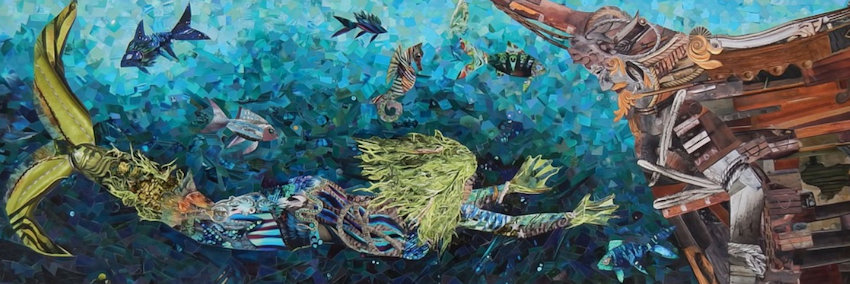
Siren of the Sea
This mermaid and sunken ship can be made using a combination of traditional and digital collage making. The background would be easier to create digitally. After printing out the full-size image, the mermaid and ship could be hand drawn. Based upon desired colors, textures and patterns, pieces cut from the pages of magazines can be glued in place, producing a three-dimensional effect.
Flower Power
Who wouldn’t love eternal spring? Make it a reality by starting with a photo of a beautiful flower garden. Enhance it by cutting and pasting layers of colorful flowers on top of the finished image.
Creature of the Night
A digital sepia tone background can be printed full size on canvas. The owl is drawn and detailed with a combination of markers and paint. Genuine feathers, layered and glued upon the wings, bring this owl off the canvas and into the viewer’s world.
Abstract Words
It is said you should choose your words carefully. Choose a poem or quotes, whatever appeals to you. Layered colors, words, and embossed textures harmonize, creating visual movement and a palpable sense of warmth and peace in this abstract masterpiece.
The Cat’s Meow
What do you think he sees? A bird? A butterfly? Maybe a mouse? Whatever it is, those reflective amber eyes capture our attention. The antiqued background, with embossed floral motifs and pen and ink style writing, ensures this quizzical feline remains center stage. Additional detailing of the cat’s body and punching up the contrast of the purple and green flowers around him will make it appear as if he is sitting in front of a wall.
I hope these collages have inspired you to playfully experiment with the infinite possibilities of photography and collages to create personalized art to be enjoyed for years to come. Please let me know your thoughts in the comments section. Good luck with all your future creative projects.
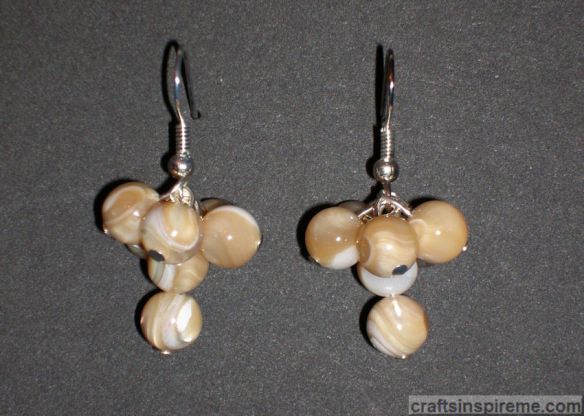
Mother of Pearl comes from mollusks, and is naturally a blend of tan, cream and white, with an iridescent finish. It can be bleached white, or dyed and color of the rainbow. Mother of Pearl beads come in an amazing range of shapes and sizes, while the thicker pieces are carved into cameos and pins, or cut into squares as mosaic tiles. Let’s turn a few round beads into a lovely pair of earrings.
How to Make Natural Mother of Pearl Cluster Earrings
These 1-1/2” long Natural Mother of Pearl earrings swing and shift with your movements, and they’re a neutral color, which coordinates with whatever you’re wearing. In this design, five beads orbit around a dangling two bead central core. These earrings are a little challenging in Step 6. At times you may feel like you have fumble fingers. If you are looking for an easy pair of earrings for beginners, please click here.
Required Beads & Findings:
Supplies:
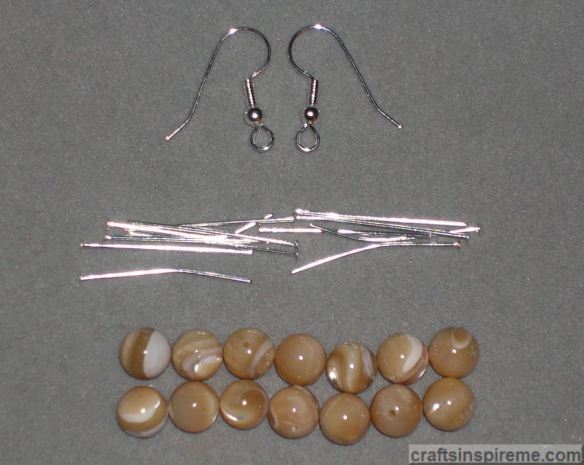
To make this pair of earrings you will need:
12) Silver plated Head Pins – 1” length,
14) 7-7.5mm round Natural Mother of Pearl beads,
2) Silver plated Surgical Steel Fishhook Earwires with ball & coil
(Please note: Head pins are the foundation of these earrings. They are inexpensive and come in big packages. Be sure to have several on hand just in case. Craft stores carry jewelry making supplies, including beads, accents, and tools. If you get hooked on jewelry making and yearn for the ultimate selections, look no further than FireMountainGems.com)
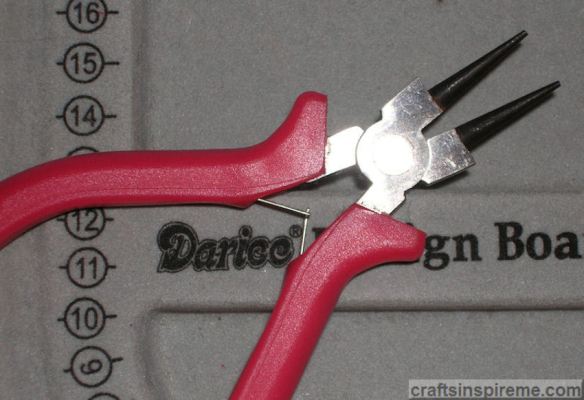
Required Jewelry Making Tools: Round Nose Pliers – the smooth, round tips on these pliers make it easy and safe to manipulate wire, pins, and small jewelry metal pieces known as findings. Please don’t use standard pliers, which have teeth that will damage delicate precious metals.
Jewelry Wire Cutters – a sharp pair of wire cutters makes jewelry making so much easier. Do not use them for other crafts, such as floral arranging, which can damage the blades.
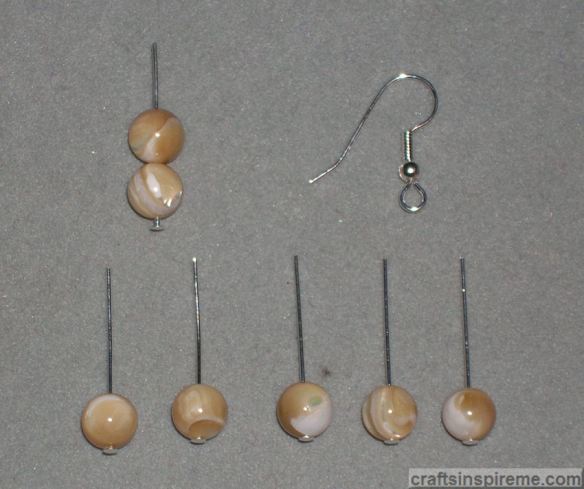
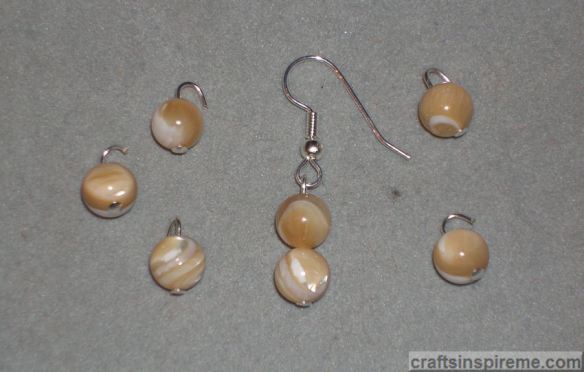
Earring Making Instructions: Step 1: Slide the beads onto head pins as shown.
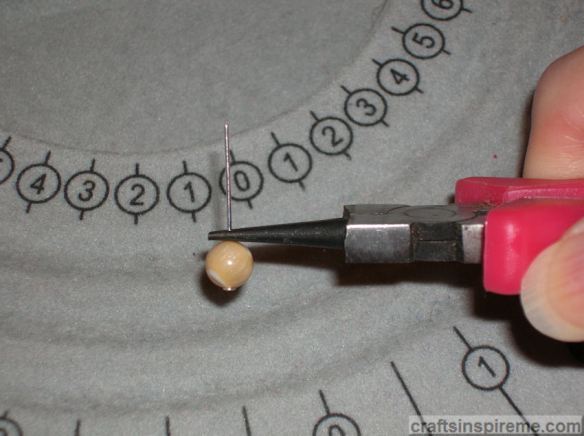
Step 2: With the round nose pliers in your right hand, grip the wire just above the Mother of Pearl bead. Hold the pliers in this position for the next step.
Step 3: Grasp the end of the head pin with your left thumb and index finger, and bend the wire toward you. Continue bending the pin over the tip of the pliers until it touches the Mother of Pearl bead.
The reshaped pins will look like the photo above.
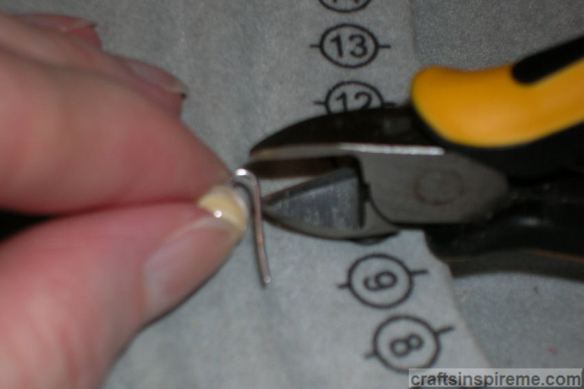
Step 4: Cut off the excess wire. Leave enough wire to form a small loop above the bead. This may take a few tries. Don’t worry if you cut it too short. Simply use a new head pin and repeat the steps.
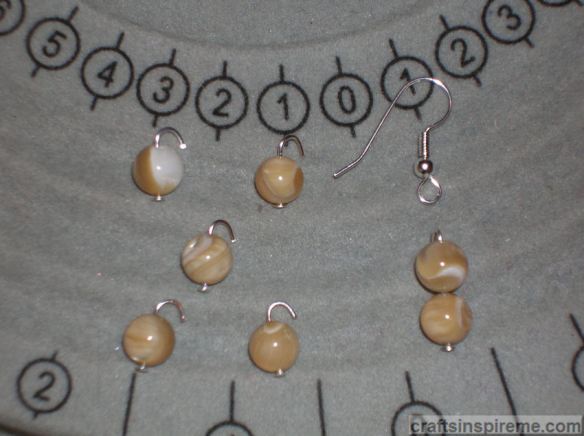
This photo shows the beads with trimmed pins.
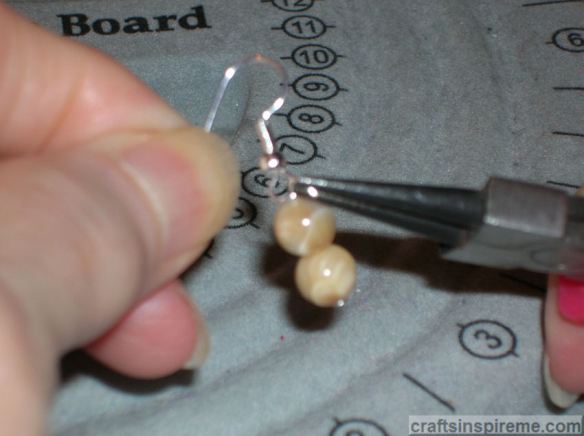
Step 5: Hook the double bead pin onto the loop on the bottom of the fishhook earwire, and close the loop using the round nose pliers.
The earring will look like the above photo.
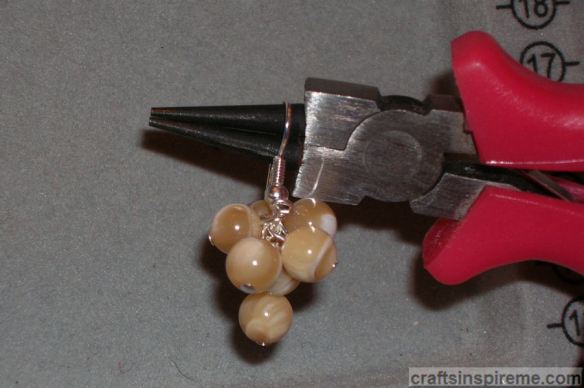
Step 6: Attach the first “satellite” bead to the earwire in the same way.
The earring now has a center core and one satellite bead. Repeat this step for the remaining four beads. If you have trouble getting the beads to lay correctly, remove the dangling two bead central core. Shift the five satellite beads with your fingers until they form a circle around the earwire, and then reattach the two bead central core.
Congratulations! You have successfully made a pair of Mother of Pearl cluster earrings.
Here’s the same pair of earring made with Black Onyx beads. Note how the color dramatically changes the look. You could also experiment with different gemstones, glass or wood beads.
Jewelry making is a great way to explore your creativity. There are so many options available that it’s hard to choose. After making several items for yourself, keep in mind that people love receiving jewelry as gifts.
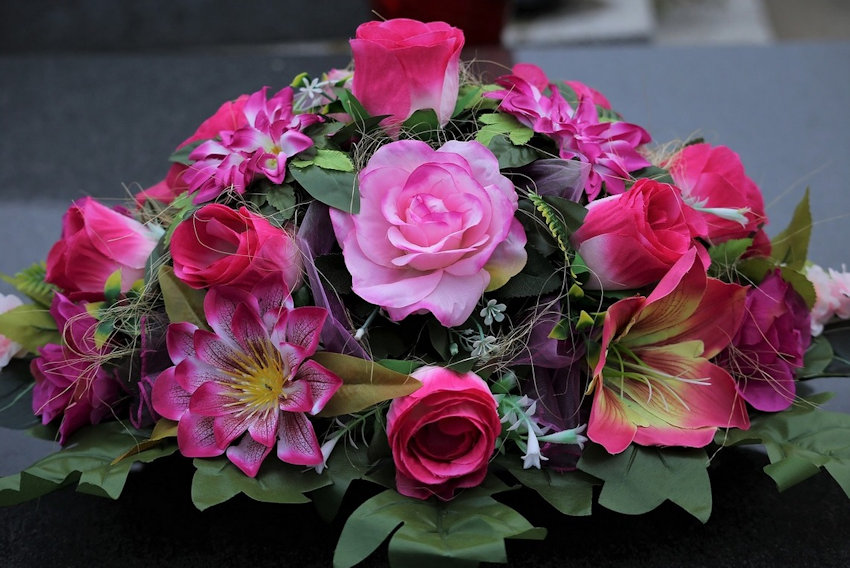
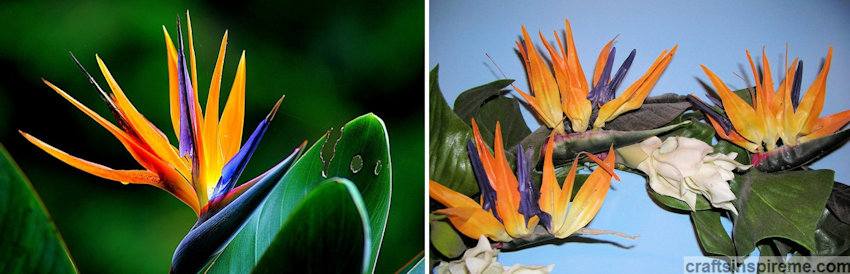
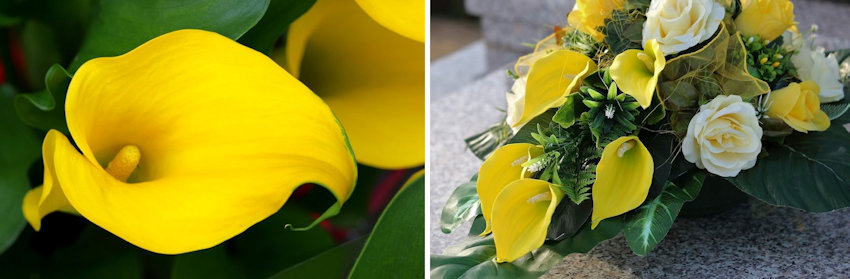
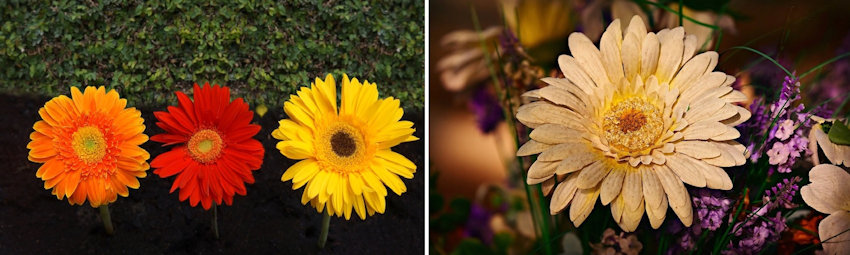
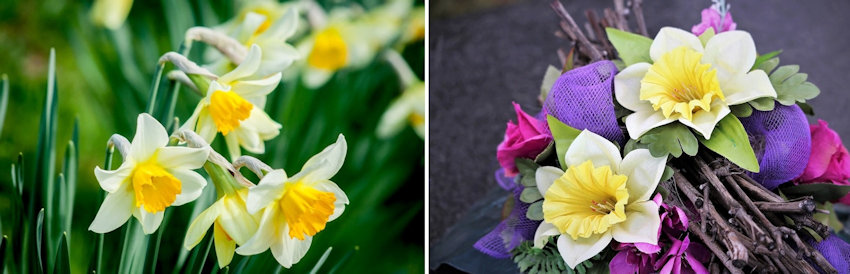
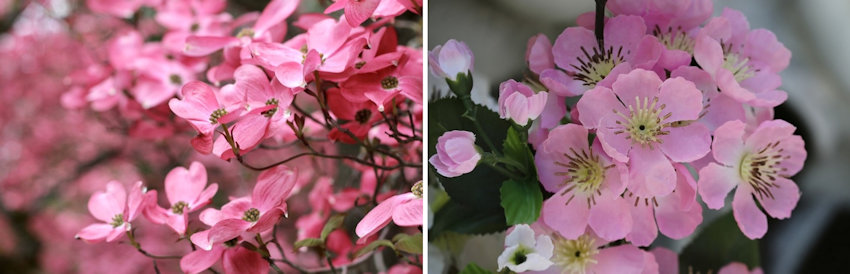
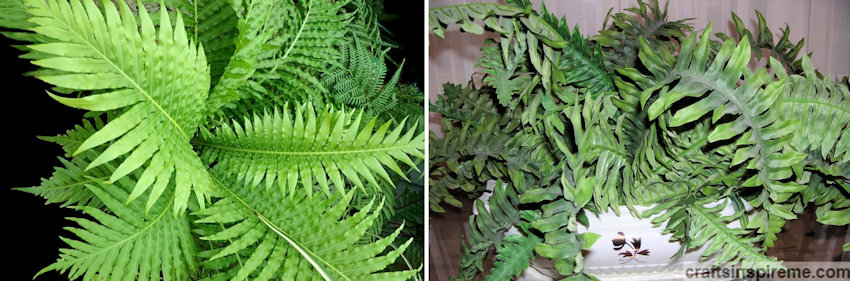
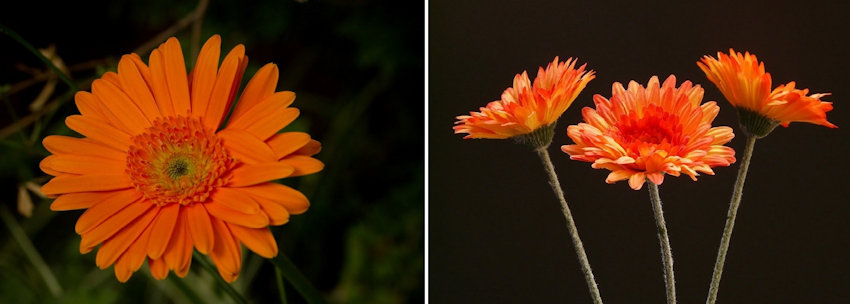
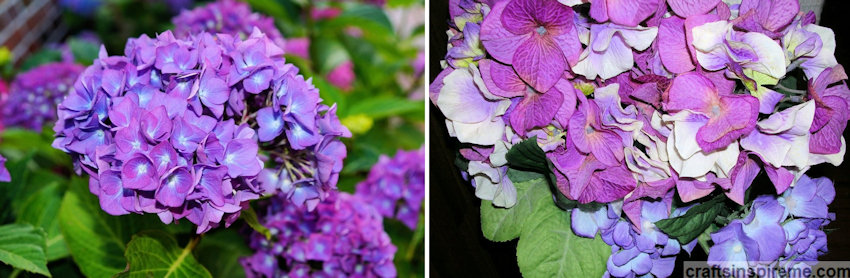
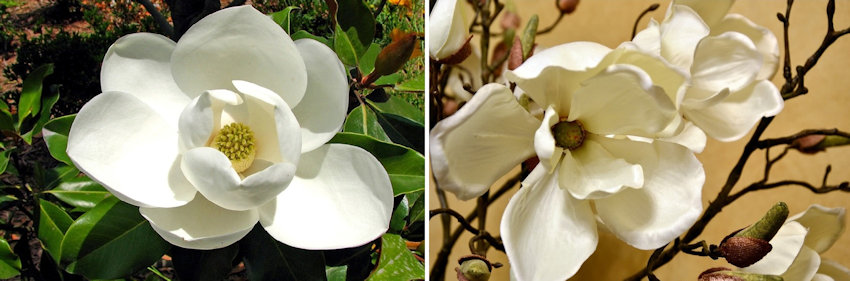
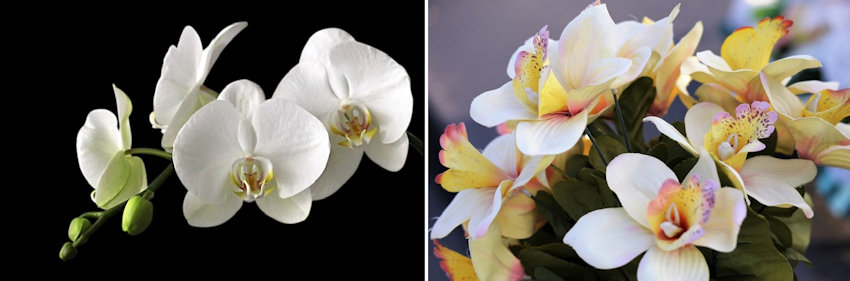
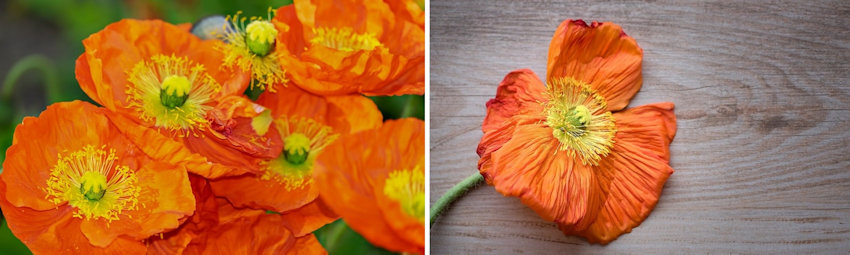
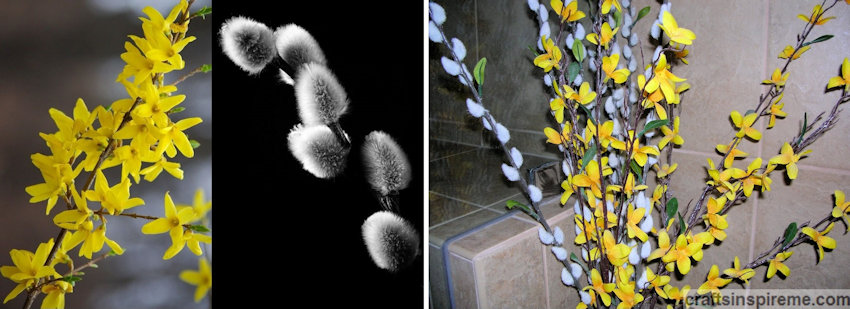
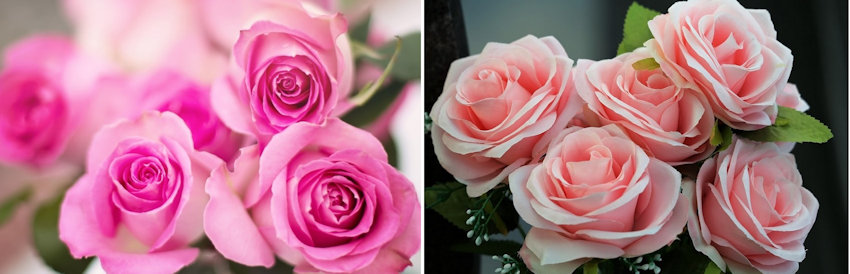
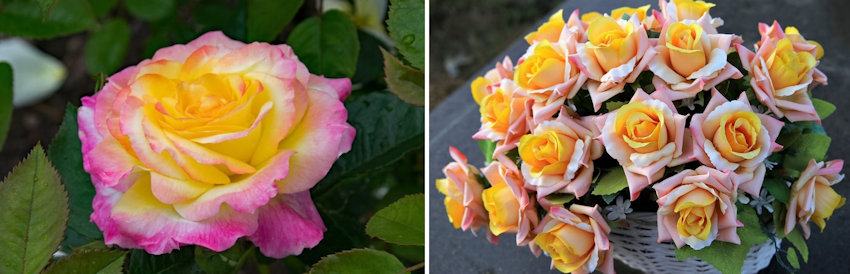
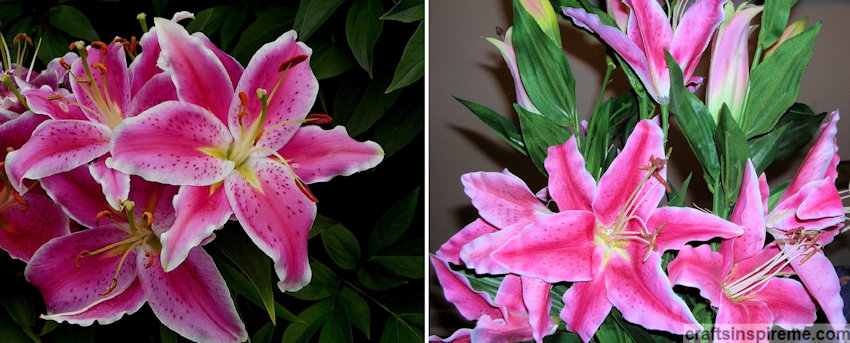
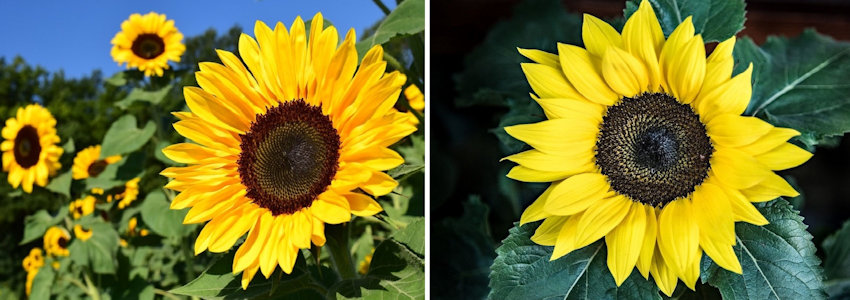
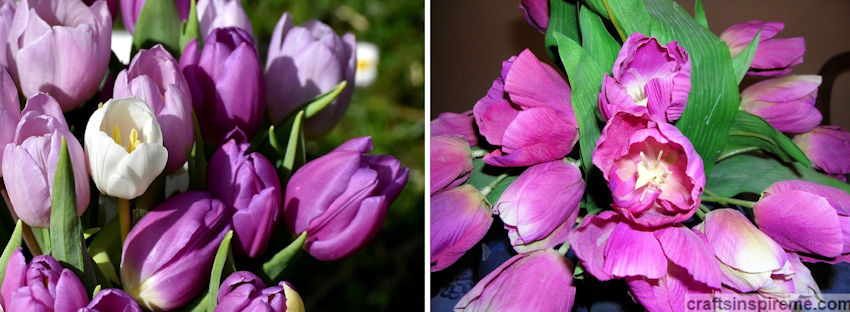
Today’s silk flowers easily fool the eye and are available in an infinite assortment. Prepare to be amazed with the side-by-side photos of silk and live flowers. Which are real and which are an illusion? Can you tell the difference? Let’s find out…
Birds of Paradise
Calla Lilies
Chrysanthemums
Daffodils
Dogwood Blooms
Ferns
Gerber Daisies
Hydrangeas
Magnolias
Orchids
Poppies
Pussy Willows & Forsythia
Roses
Roses – Two Tone
Stargazer Lilies
Sunflowers
Tulips
With silk flowers, there’s no need for water, fertilizer, sunshine, or a green thumb. In the challenge of recognizing live flowers versus silk, how did you do? Please let me know your thoughts and favorites in the comments section.































































 Crafts Inspire Me