No Bones About It

Skeleton Human

When it comes to Halloween decorating, skeletons are featured favorites. 

T-Rex Skeleton

T-Rex Skull

Terrifying dragons and dinosaurs are a few of the latest décor entries. 

Saber Tooth Tiger Skeleton

Saber Tooth Tiger Skull

Wild dogs and Sabre Tooth tigers are sure to follow. 

Close-Up Rooster Skeleton

Close Up Original Rooster Skeleton

What about ferocious chickens?  Ferocious may be a bit of a stretch, but “cocky” is a well-earned title. 

Confident & Cocky

Rooster Crowing

At a farm near my home, I saw a defiant rooster face off against a slow-moving minivan.  That bird crowed at the top of his lungs.  I wonder if roosters use curse words.  The bird won the battle of wills!  Apparently, roosters always have the right of way. lol. 

Unpainted Rooster Skeleton

Original Rooster Skeleton

There are many Halloween bird skeletons, including vultures, crows, ravens, and ducks.  When I saw this rooster, I knew I had to do something to make him stand out in a crowd. 

How to Paint a Rooster Skeleton:

Inspiration

Brown & Teal Rooster

A rooster’s crown and wattle tend to be red, but anything goes for the feathers. 

Inspiration

Multicolor Rooster

Because my favorite color is blue, I chose inspirational photos accordingly, but you can choose whatever colors you prefer. 

Supplies

Paints

Supplies:
Rooster Skeleton (12-1/2” high x 11-1/2” long x 7-1/2” wide) sold at JoAnn Crafts
Acrylic Paints – red, black, metallic sapphire blue, & metallic periwinkle blue
Paintbrushes

Painted Head Details

Close Up Red Details

Brush red paint onto both sides of the two most recognizable traits of roosters, the comb and wattle.  Darken the eye sockets with black paint. 

Unpainted Rooster Tail

Close Up Original Rooster Tail

As you might imagine, roosters are very proud of their plumage.  Those tail feathers should be bold and colorful to make their presence known and to impress the ladies! 

Painted Tail – Option 1

Black Rooster Tail

Paint the tail black, which tends to be the most common tail feather color. 

Painted Tail – Option 2

Blue & Green Rooster Tail

Paint the tail a combination of metallic green and metallic blue. 

Painted Tail – Option 3

Metallic Blue Rooster Tail

Paint the tail metallic blue.  I love the iridescent blue feathers shown in the two inspirational photos.  What bothered me about the skeleton was the five bones in the tail, which resemble a metallic hand. 

Defining the Tail Feathers

Black Tail Feather Details

Carefully apply a line of black paint down the length of each tail bone and angled short strokes to create a feathered appearance. 

Side by Side

Two Versions - Rooster Skeletons

Minimally painted head details versus fully defined tail feathers.  If you are satisfied with your results, you could stop at this point.  Additional steps below will give the rooster a more frightening appearance.  

Painted Eye Detail

Red Eye Detail

Outline both eyes with red paint.  This changes the entire expression with a few easy strokes.

Eerie Glow from Within

Metallic Periwinkle Ribs

Paint the inside of the ribs with metallic periwinkle paint.  Many Halloween skeletons come with LED lights hidden inside to illuminate the rib cage.  This one did not come with lights, but the metallic paint produces a similar visual effect. 

Joint Details

Red Joints

Add red on each of the ball joints for the wings and the knees. 

Unpainted Rooster versus Completed Rooster

Before & After Rooster

As you can see, this rooster has come a long way from its humble beginnings.  At a distance, you can easily recognize it, and the extra painted details catch the light, drawing your attention to this demanding and amusing creature. 

For more ideas, please click here to read last year’s post on skeleton painting. 

Happy Halloween & Happy Crafting!
Abracadabra – Harry & Hermione’s Magic Wands

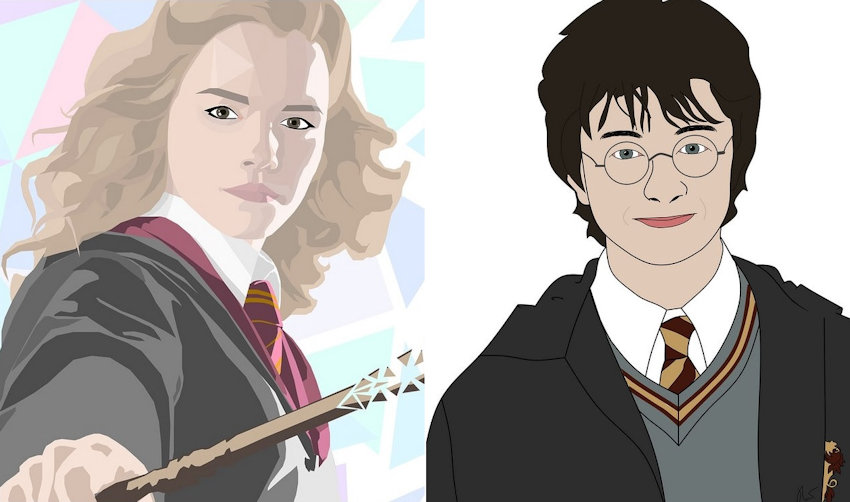
Hermione and Harry never go anywhere without their magic wands. 

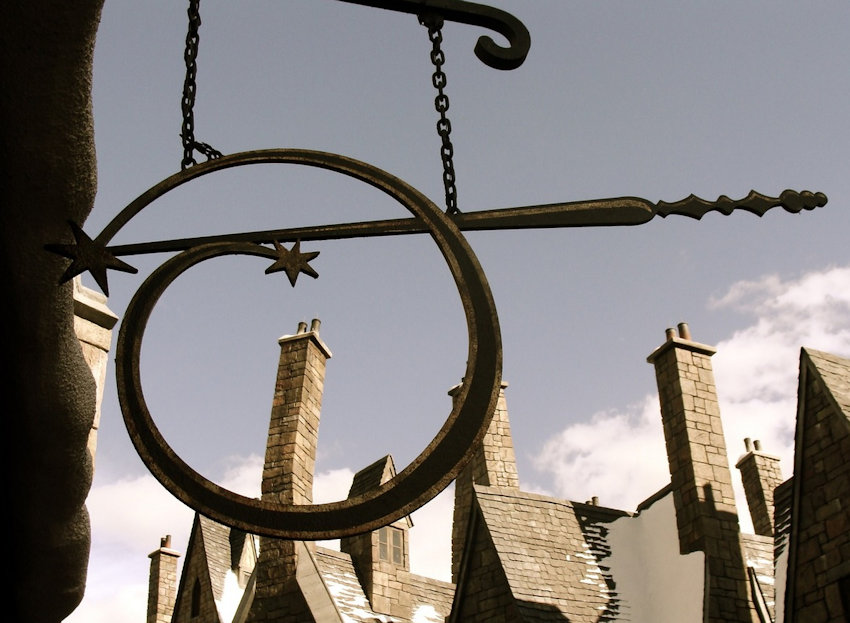
Logo/Sign at Ollivander’s Wand Store, Universal Studios

Every Hogwarts’ wizard goes to Ollivander’s to choose his or her magic wand. 

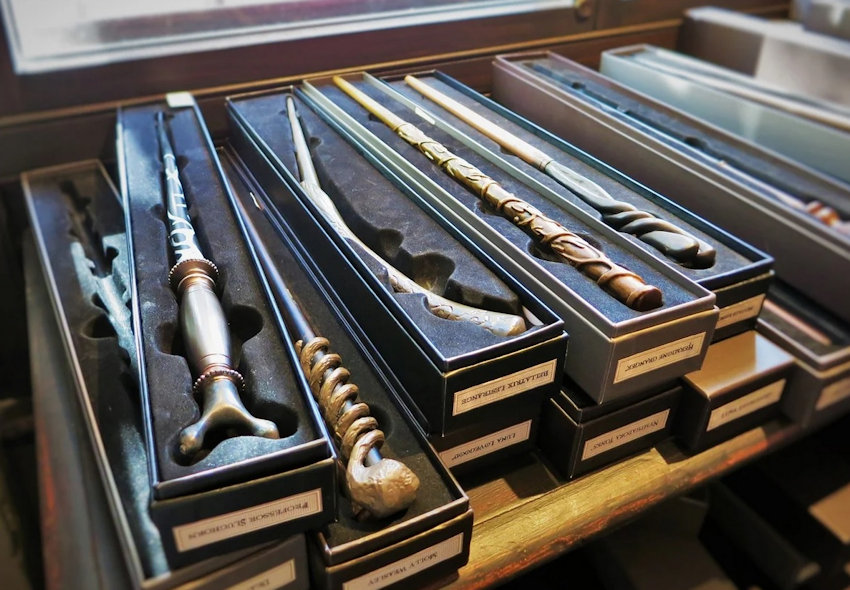
Magic Wands at Ollivander’s Wand Store

While doing research, I was surprised to see that many of the wands in the Harry Potter series were rather lackluster.  I expected wizards to have exquisite, highly personalized wands to express their personalities as well as their power. 

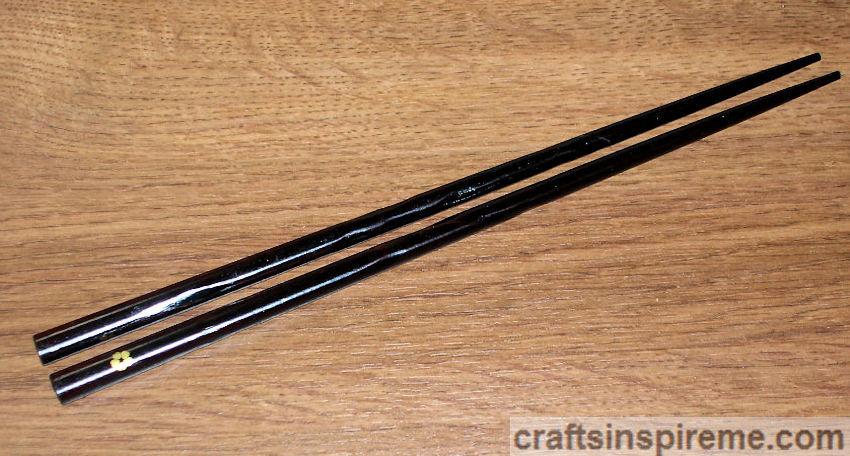
Wooden Chopsticks

For this project, we will transform wooden chopsticks into magic wands for Hermione Grainger and Harry Potter.  Use these techniques to create a wand for any character and add whatever embellishments feel right to you. 

How to Make Hermione’s Magic Wand:

Inspiration

Hermione’s wand has a fairly simple design, consisting of English ivy wrapped around a monotone magic wand. 

Supplies

Supplies:
Wooden Chopstick (9” long x 3/8” thick)
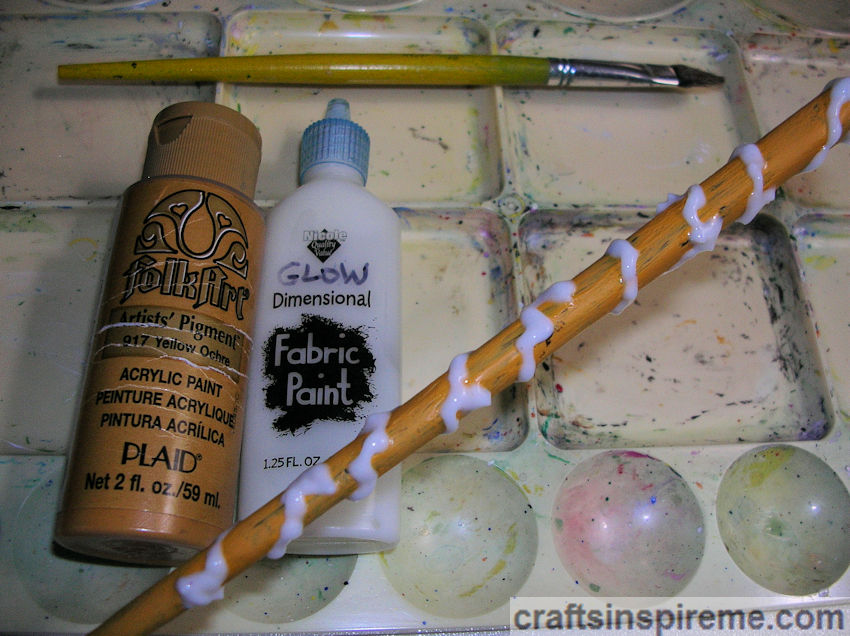
Acrylic Paint: yellow ochre
Bottle fabric paint: glow-in-the-dark white
Paintbrushes
Clear Spray Paint: Matte Finish
Optional 1) Faceted rhinestone & Acrylic Paint: metallic peridot.  See “Advanced Painting” below.

Painting Chopstick

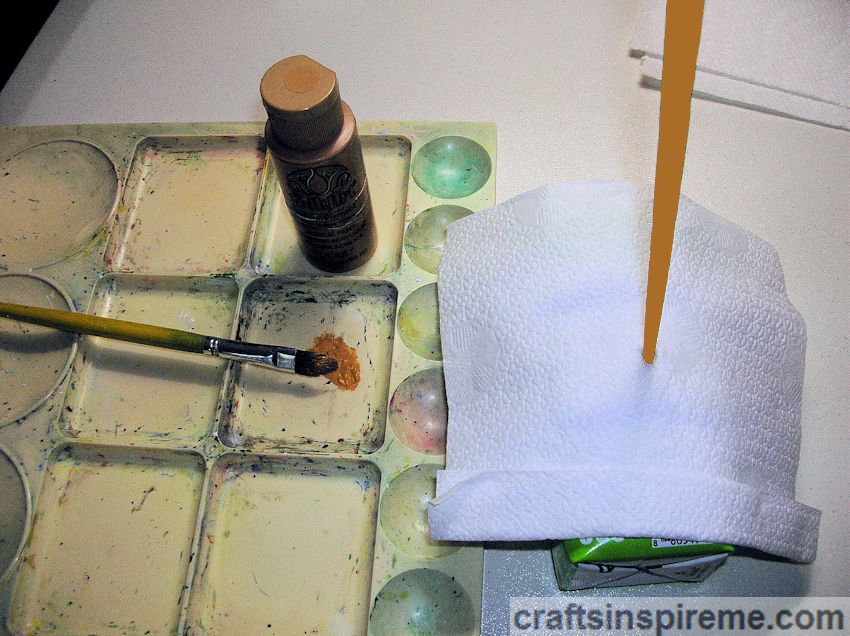
Step 1 – If the chopsticks are lacquer-coated, you may need to prime the surface first, and then apply two coats of acrylic paint.  Puncture a hole in a box to hold the wand upright for drying, but don’t forget to paint the tip later.  To prevent fingerprints and scratches, handle with a tissue. 

Painting Vines & Leaves

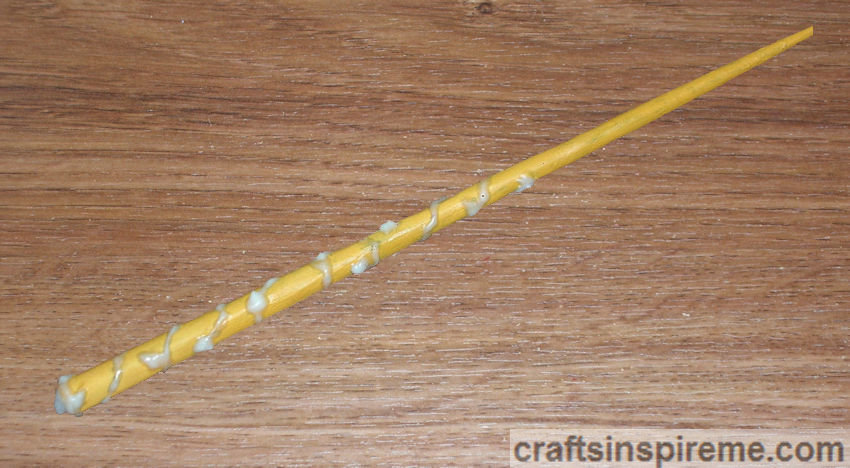
Step 2 – Starting at the top, use three-dimensional paint to create an ivy vine wrapping around the wand.  Add an interesting twist by using glow in the dark white paint, but if you prefer, you can use plain white.  If you want to be true to Hermione’s original wand design, wait until the 3D paint dries, and then paint the vines with yellow ochre to match the rest of the wand. 

Hermione’s Finished Wand

To seal the paints, spray the wand with clear spray paint.  At this point, the wand is complete.  If you have been following this blog for a while, you know there is usually an enhanced version, which is shown below in the “Advanced Painting” section. 

How to Make Harry’s Magic Wand:

Inspiration

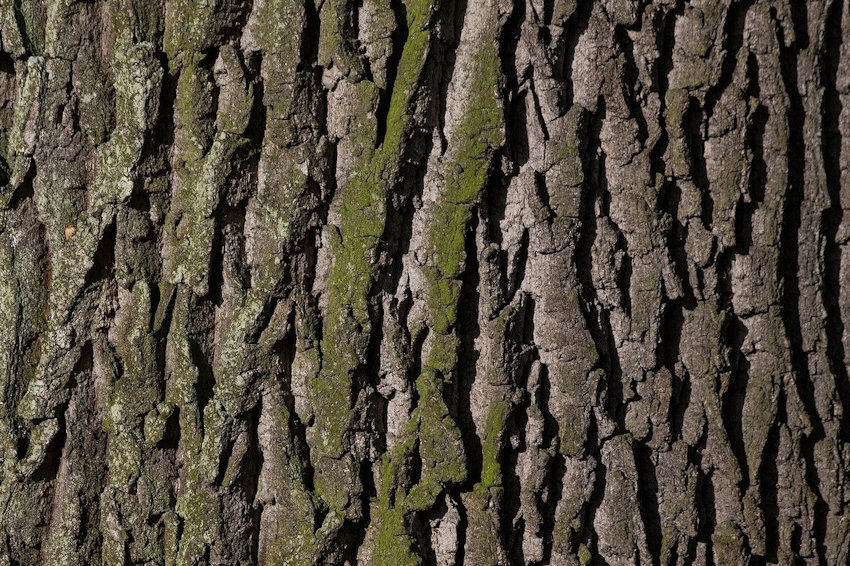
Harry’s wand has a textured, two-tone design.  Rough “tree bark” at the top serves as a handgrip, and the rest is smooth wood. 

Supplies

Supplies:
Wooden Chopstick (9” long x 3/8” thick)
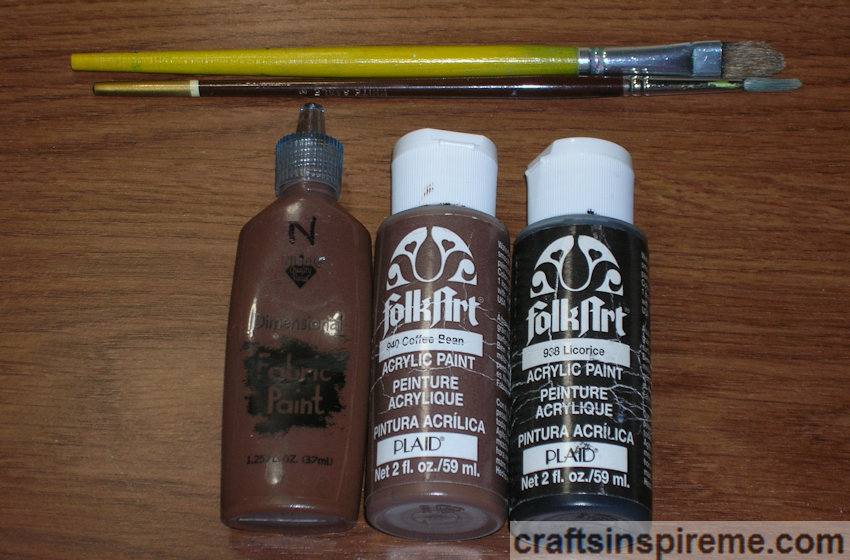
Acrylic Paint – licorice black, coffee bean brown
1) Bottle fabric paint – brown
Paintbrushes
Clear Spray Paint: Matte Finish
Optional – Glue gun & 1) Faceted rhinestone. See “Advanced Painting” below.

Creating Texture

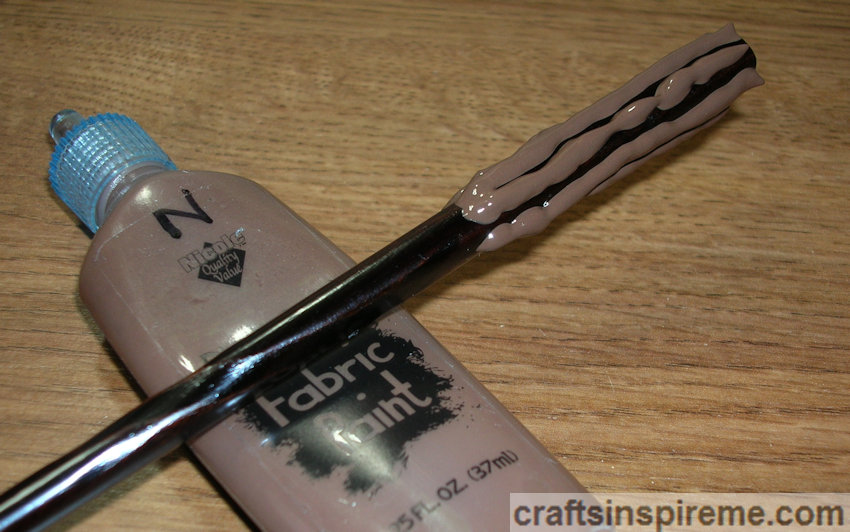
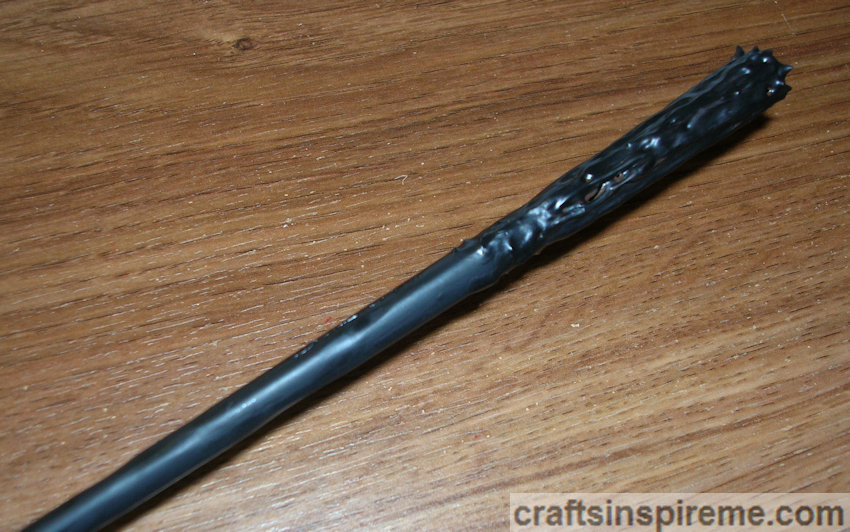
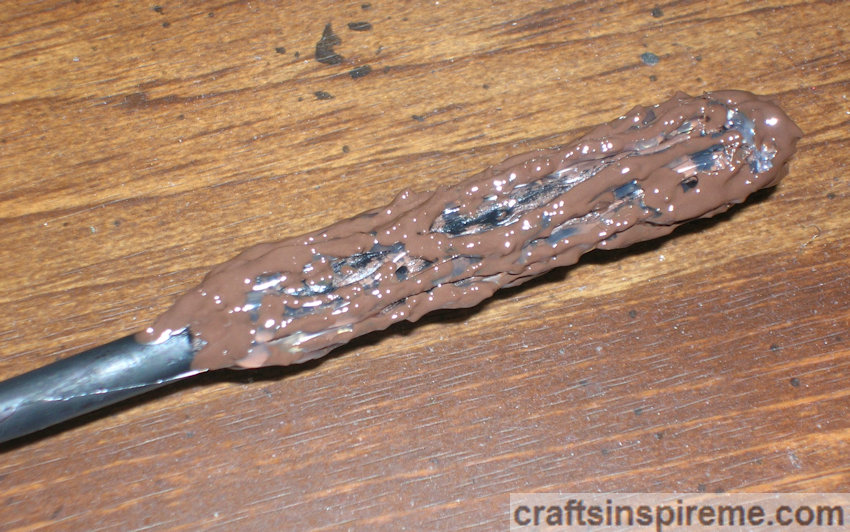
Step 1 – Using three-dimensional paint, draw long lines at top to create the basic texture as shown above. 

Adding More Texture

Step 2 – Fill in with more texture, to create a rough tree bark appearance, including pointed edges across the top of the wand.  Allow paint to dry overnight. 

Painting Black

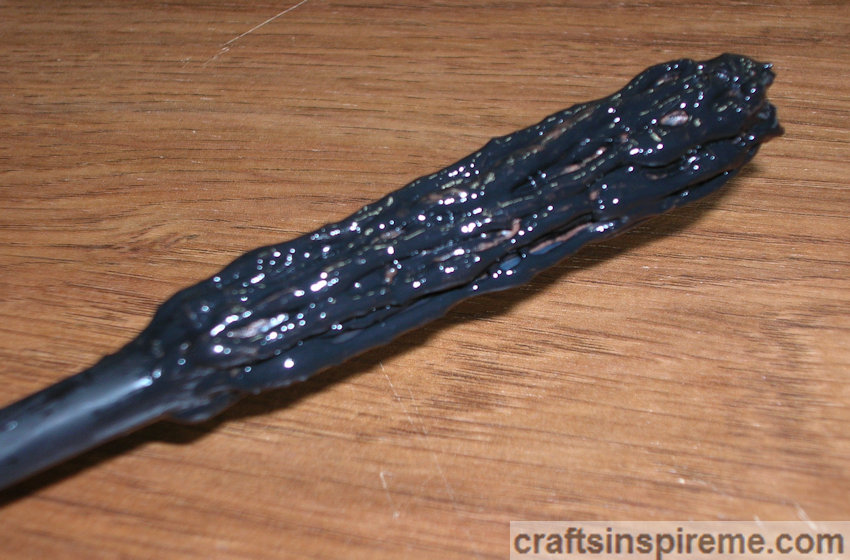
Step 3 – Paint the entire wand with black acrylic.

Dry Brushing Brown

Step 4 – Dry brush the rough bark with brown acrylic paint, allowing the black recessed areas to show through, as they do with real bark.  Seal the paints with clear spray paint. 

Harry & Hermione’s Finished Wands

This photo shows the two completed wands side by side.  I wanted to take this project to the next level by creating more texture on Harry’s wand and more visual interest for Hermione’s. 

Advanced Painting:

Hermione’s Wand – Defining the Leaves

Step 1 – Make the leaves more prominent by applying a thicker coat of the same three-dimensional glow in the dark paint on each individual leaf. 

Close-Up Vines & Rhinestone

Step 2 – Create a glowing cap on the end of the wand and place a rhinestone in the center as shown.  In case you didn’t know, fabric paint can be used in place of glue. 

Glowing Wand

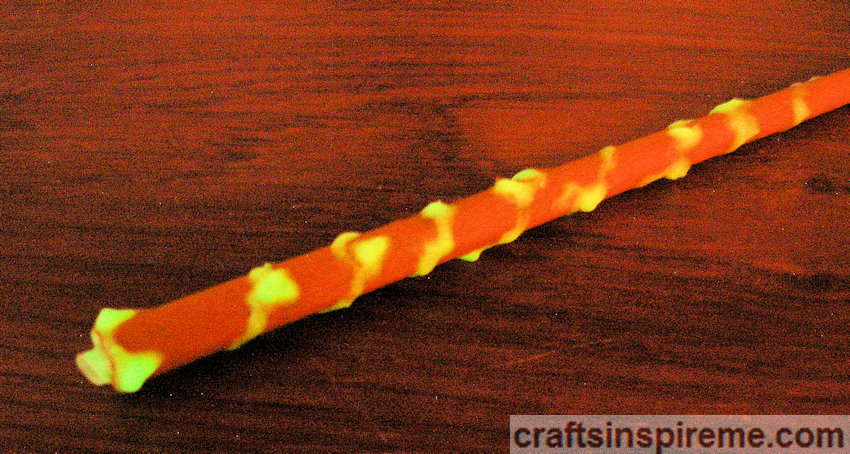
Step 3 – After being exposed to light, the vines, and leaves glow in the dark.  You can test the glow by holding the wand under a bright light for several seconds and then switch off the lamp.  Adjust the paint as needed. 

Accent Painting the Leaves

Step 4 – Something still needed to be added, but I didn’t know what it was.  Finally, I decided to apply a soft pastel green to the leaves, providing color as well as a subtle shimmer.  Seal paints with clear spray paint.  By day or night, this wand has stylish and surprisingly powerful. 

Harry’s Wand – Creating Thicker Tree Bark

Step 1 – Using a glue gun, add long lines for more texture upon the handgrip. 

Roughening the Texture

Step 2 – Use brown three-dimensional paint to roughen up the smooth lines of glue, to resemble tree bark more closely. 

Painting Black

Step 3 – Paint the entire wand with black acrylic.

Dry Brushing Brown

Step 4 – Dry brush only the rough bark handle with brown acrylic paint, allowing the black recessed areas to show through, as they do with real bark.  Use glow in the dark fabric paint to attach a rhinestone to the end of the wand as shown above.  Seal paints with clear spray paint. 

Harry’s Finished Wand

The thickened “tree bark” looks better, and the sleek black wand is the perfect choice for a powerful wizard. 

Harry & Hermione’s Finished Wands

These two wands work well together, just like Harry and Hermione. 

Close-Up – Both Finished Wands

I hope you have found a few inspirational ideas to create your own wands.  Do you have a favorite wizard, or a favorite magical literary character?  What kind of magic wand do you think that character would choose?  Please let me know in the comments section.  Enjoy the creative process, and let your ideas run wild. 

For more Harry Potter crafts, please check out this post: “Harry Potter’s Magical Creatures.”

Thanks for Reading & Happy Crafting!
Birds of a Feather – Decorative Wood Crafts


For some reason, I often find myself drawn to the wood crafts aisle at my local hobby store. Maybe it’s the quick reward for very little effort at an inexpensive cost. Who doesn’t enjoy a little instant gratification? There’s always something new to discover. New trends and seasonal favorites compete for your attention on the shelves.

Painted Inspirational Words
The popularity of the television show, “Fixer Upper,” has brought farmhouse chic to the forefront of home design trends. As a result, oversize wood letters and words have become very popular wall art. If a particular word or phrase has special meaning for you, spell it out on a wall as a daily inspiration to share with your family and friends.

Birds on Wire
Looking for a quick and easy way to add some pizzazz to any flat wood surface? Apply contact paper or left over wallpaper for interesting colors and patterns.

Wooden Bird & Fish
For a distressed look, keep the color palette soft as if they faded over time, allow the paint to dry, and then use sandpaper to “age” the surface.

Painted Wood Boxes
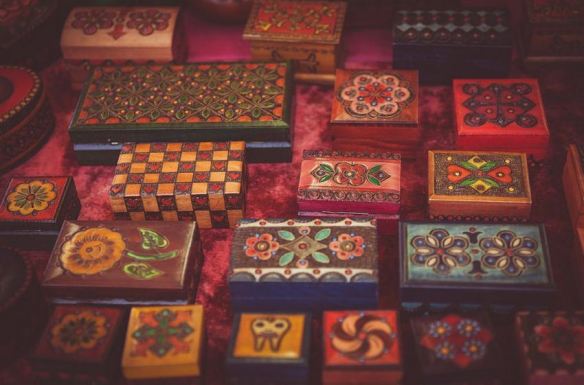
The base coat for decorative boxes can be painted using brushes or spray paint. Intricate details and complex designs can be applied using fine point paint pens in solid or metallic finishes. Rhinestones and beads will provide a touch of sparkle.

Wood Owl
This adorable little owl has a painted face and the patterned wings were created with contact paper. For clean, crisp edges on the eyes and beak, use stencils.

Wooden Eggs
Painted eggs are a tradition in many cultures. Applying wax in intricate patterns and dipping the exposed areas into dyes created these beautiful designs.

How to Paint a Wooden Flamingo
Now that you’ve seen several woodcraft examples, it’s time to try your hand at decorating. Craft stores and Dollar Tree stores have several freestanding wood animals, including a flamingo, rhino, hippo, stegosaurus, peacock, elephant and more.

Flamingos
As with all projects, it helps to have a little inspiration. Seeing live flamingos really helps with color and feather pattern decisions as well as basic biology.

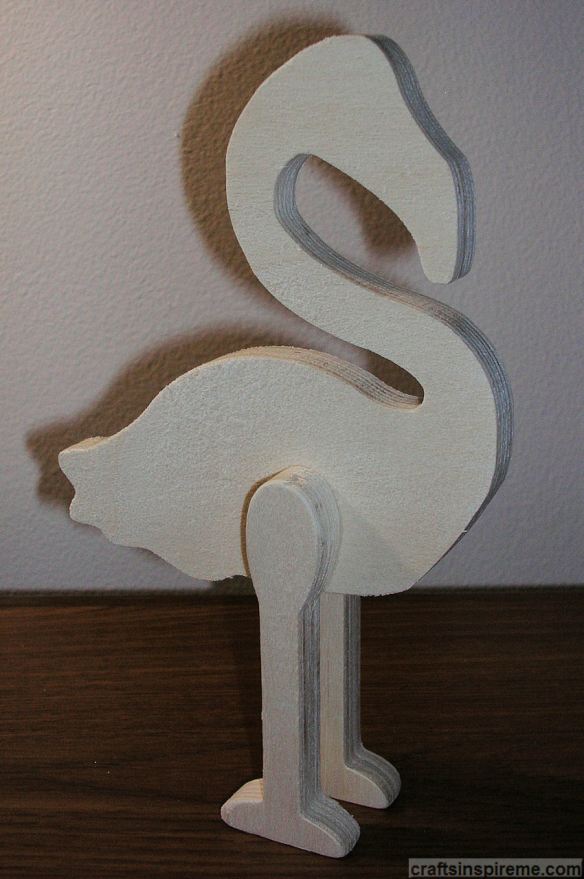
Raw Wood Flamingo
As you can see, the thick wood has been cut out in the shape of a flamingo and has the advantage of strong, sturdy legs, making this a freestanding, three-dimensional piece. Both sides and all the edges will need to be painted. Due to the raw nature of the wood, it may require a little sanding, especially along the edges.

Supplies:
Wooden Flamingo (7-1/2” high x 4-1/2” wide x 1-3/8” thick)
Acrylic Paint – orange, black, & white (plus optional yellow for eyes)
1) Bottle fabric paint – orange
1) Bottle fabric paint – pink
Paintbrush
Sandpaper

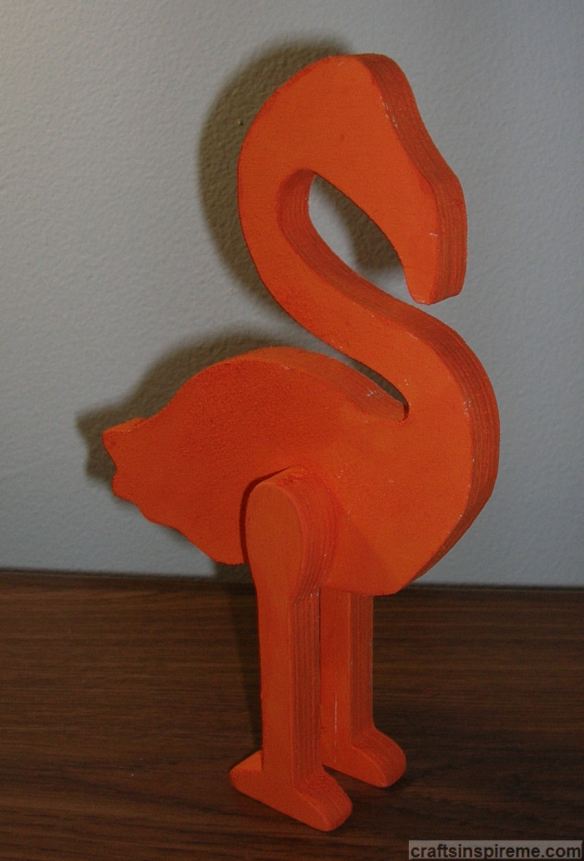
First Coat of Paint
Step 1 – Paint the flamingo with orange acrylic paint, including both sides and all edges.

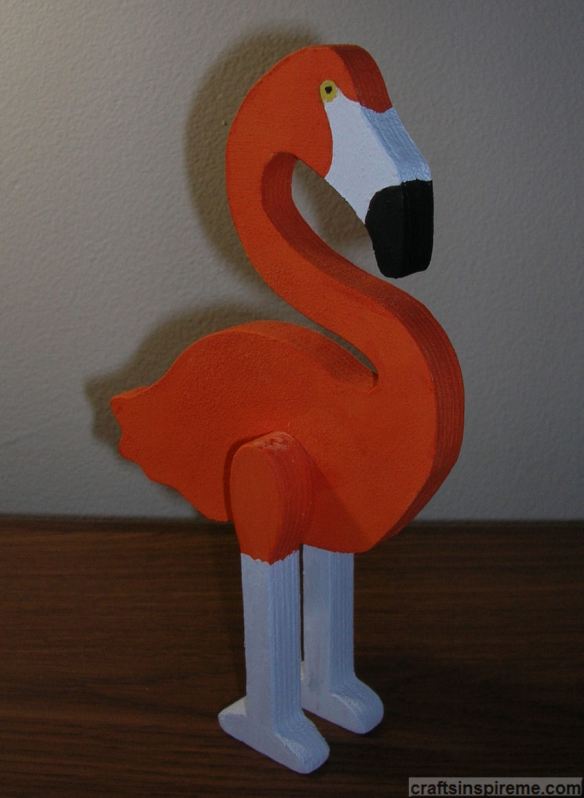
Second Coat of Paint
Step 2 – Apply a second coat of orange acrylic paint, and add details to the face. The legs have been painted gray.

Textured Paint
Step 3 – Create a feathered texture by applying orange fabric paint. The paint on the head and neck was applied in a random dotted pattern because these areas are smoother than the lower body. Use long strokes on the torso, ensuring to go in the direction of the feathers. Refer to the inspiration photo as needed. Allow the paint to dry overnight. Using a small paintbrush, and orange acrylic paint, add the thin leg and feet details on the sides, front and back of each leg. This gives the illusion of thin legs like the live birds.

Second Coat Textured Paint
Step 4 – Create more texture by repeating the orange fabric paint process in Step 3. Add additional details with pink acrylic paint: Dot the pink over the head and neck, and create the wings on the torso. Refer to the inspiration photo as needed.

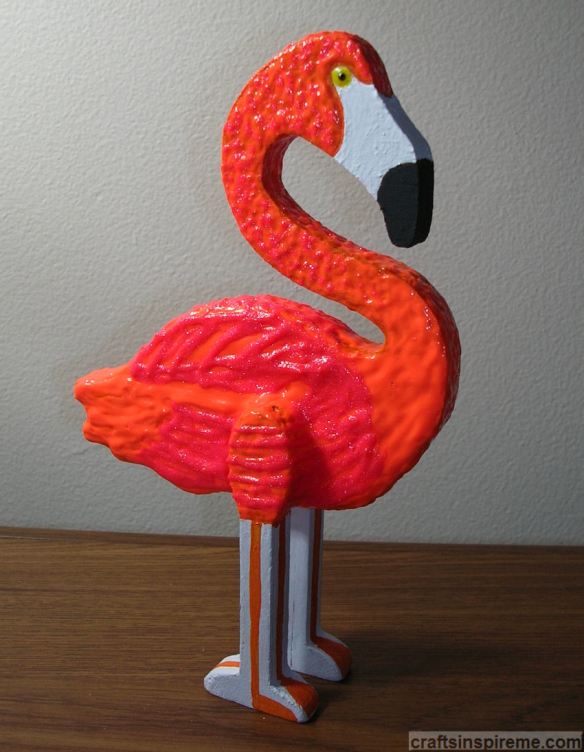
Finished Flamingo
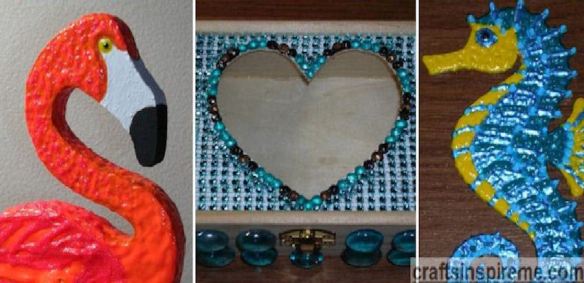
Step 5 – Apply a second coat of pink fabric paint, thickening the wings and increasing the pink highlights on the head and neck. Allow the paint to dry overnight. Using a paintbrush, give the beak a second coat of white and black acrylic paint. To give the eyes more dimension, add a large dot of yellow fabric paint. Remember to add a black dot in the center of each pupil.

This completes your flamingo project. He may not take flight, but the bright colors and cheerful expression are sure to make you smile.  For more painted wood crafts, please click here.

Thanks for Reading & Happy Crafting!
How Do You Like Your Eggs?

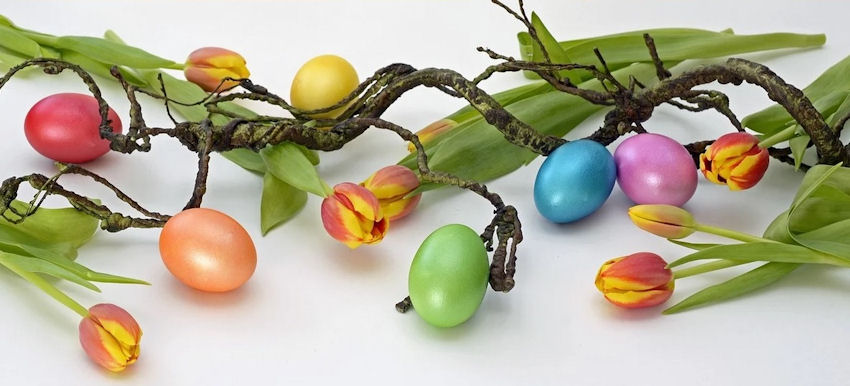
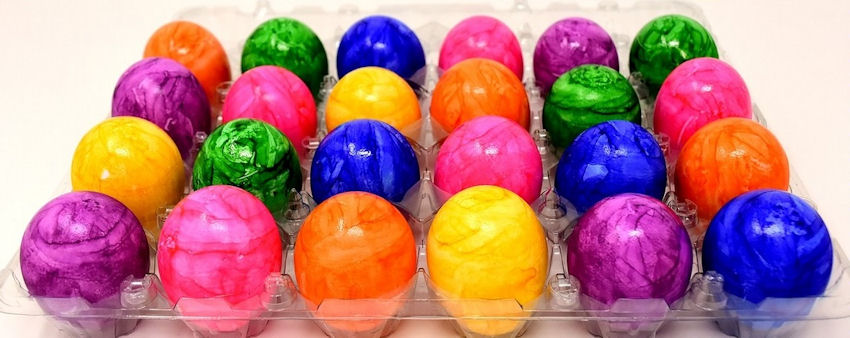
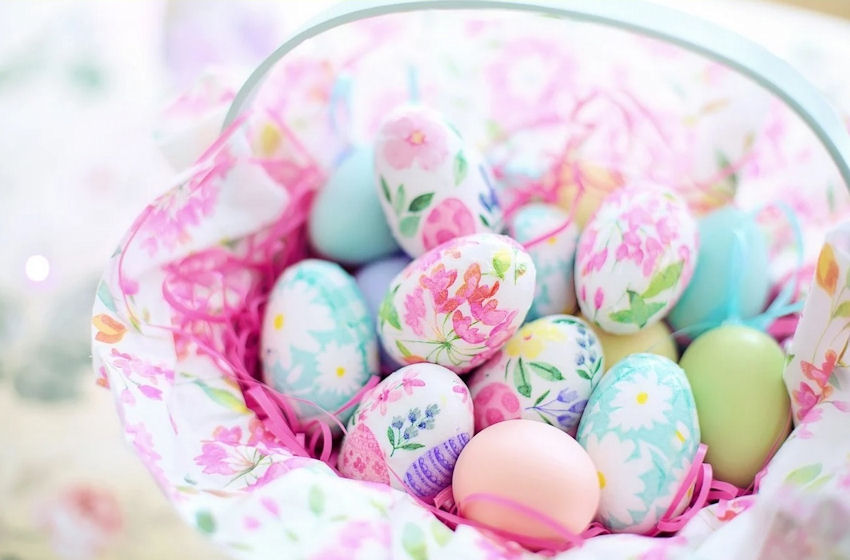
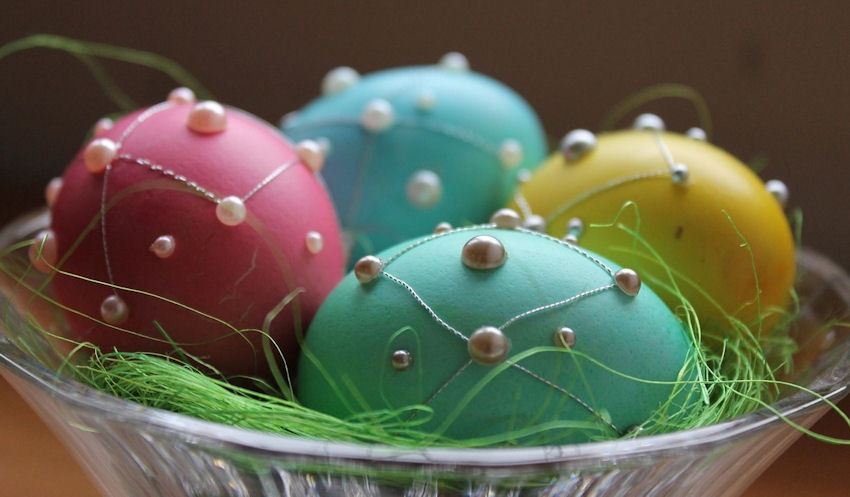
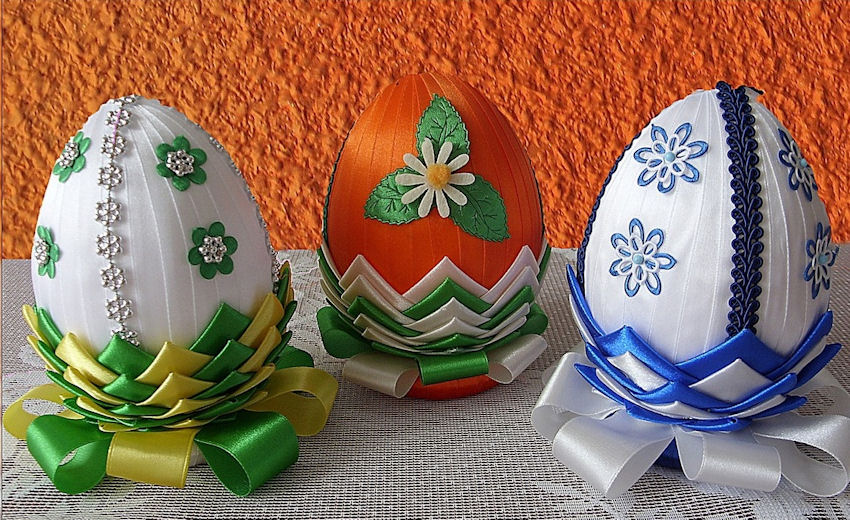
It is an age-old question.  In this case, we are not talking about breakfast.  Instead, let’s talk about egg decorating.  The eggs can be hard-boiled or blown eggs, as well as wooden, ceramic, and plastic eggs.  Decorations include paints, markers, ribbon, fabric, glitter, string, quilling paper, and stickers.  Below are several examples to inspire you:

Strategy Meeting: Egg Production (Hen) & Egg Distribution (Bunny) lol

Dyed Eggs

Iridescent Eggs

Pearlescent Eggs

Paint Pour Eggs

Air-Brushed Eggs

Hand Painting Supplies

Hand Painted Watercolor Eggs

Hand Painted Pastel Eggs

Hand Painted Multicolor Eggs

Hand Painted 3D Multicolor Eggs

Hand Painted Egg Ornament

Hand Painted Egg Artwork

Dyed Eggs with Stickers

Dyed & Beaded Eggs with Metallic Trim

Dyed & Woven Bead Wrapped Eggs

Fabric Wrapped Eggs with Ribbon Trim

Ribbon Wrapped Eggs

Dyed Eggs with White Marker Designs

Dyed Eggs with Multicolor Marker Designs

Decoupage Egg Ornament

Quilled Eggs

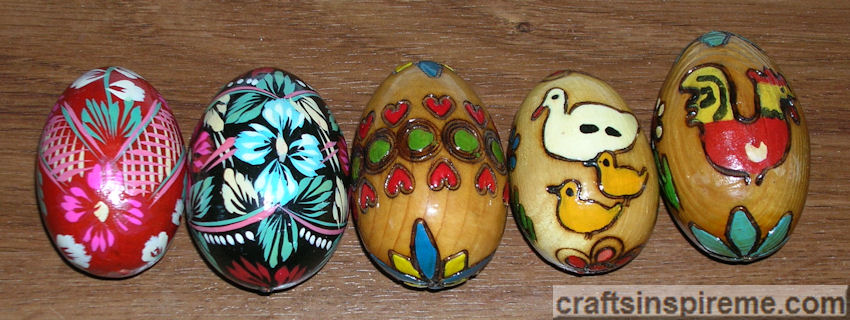
Carved & Painted Wooden Eggs

Multicolor String Wrapped Egg Ornaments

Express Delivery Crew

With so many eggs to deliver this year, the Easter Bunny hired some extra helping hands (paws)!  lol

I hope your creative ideas are flowing.  Do you have a favorite decorating technique?  I look forward to hearing your ideas.  Have fun decorating and thanks for reading.

Happy Easter & Happy Crafting!

The Bunny Hop – Painted Wooden Rabbit

Before we begin this Easter-themed project, we’ll need a little inspiration. Let’s take a look at a few of Mother Nature’s color scheme choices in the adorable bunny photos below:

Tan Baby Bunny
Baby bunnies are just so cute! That’s a lot of love wrapped in a soft tan and cream coat.

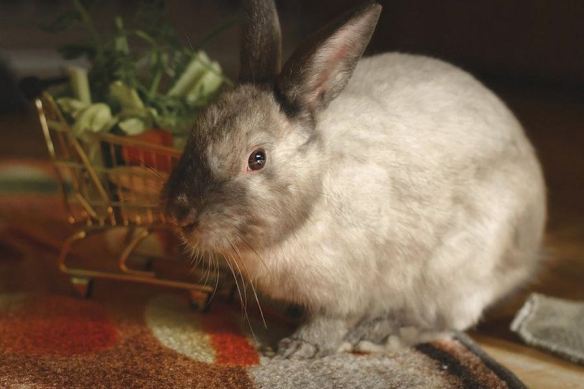
Gray & White Bunny
This stylish rabbit is modeling the very popular gray and white color combo.

Tan & Brown Bunny
Wild rabbits often have a blended fur coat of brown, tan and black to help camouflage them from predators. The one pictured above looks perfectly content to nap where he is without a care in the world.

Black & White Bunny
Last but not least is this precious black and white baby. His delicate features, including his button nose, inner ears and the outline of his eyes, are a soft pink.

Now that we’ve seen a few ideas, let’s get started painting!

How to Paint a Wooden Rabbit:

Raw Wood Bunny
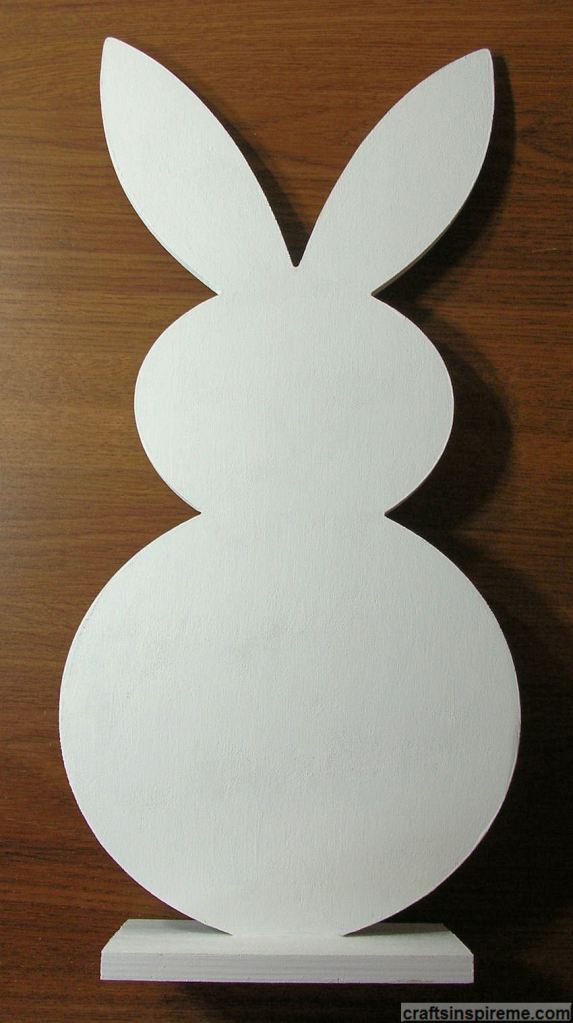
Thick wood has been cut out in the shape of a rabbit and has the advantage of strong, rectangular base. Both sides and all the edges will need to be painted. Due to the raw nature of the wood, it may require a little sanding, especially along the edges.

Bunny Supplies
Supplies:
Wooden Rabbit (17” high x 8” wide x 1/4” thick) (Base is 5-3/4” wide x 4”deep)
Acrylic Paints – brown, black, gray, tan, green & white
Fan paintbrush, small detail paintbrush and thicker brush for base coats
Sandpaper
Optional: Fabric paints – black, brown, white (Refer to Advanced section below)

Painted White Bunny
Step 1 – Paint the rabbit with 2) coats of white acrylic paint, including both sides and all edges.

Painted Back Bunny
Step 2 – Start painting the fur on the back. Experiment with colors and brush techniques. I poured black, brown and gray paint onto an artist’s palette. Dip a fan brush into each color and then apply to wood surface to create a fur-like effect. Because the paints have not been mixed, each new brush stroke will have a slightly different combination of colors, just like real fur. Repeat thus process until the back is completed. The white tail will be added later.

Layout Details Front Bunny
Step 3 – On the front, draw the face (eyes, eyelids, eyelashes, muzzle with nose, mouth, whiskers), ears and feet with a pencil. Paint the inside of the ears and eyelids tan.

Painted Front Bunny
Step 4 – Create the fur by repeating the procedures in Step 2. Be sure to make long brush strokes along the edges of the ears to resemble thick fur. You can leave the eyes, muzzle, and feet white for now. These areas will be detailed in the next step.

Bunny Closeup1
Step 5 – Paint the facial details. I painted the eyes, eyelashes, nose, mouth and whiskers black.

Bunny Closeup 2
Step 5A – This is an alternate version for the eyes and nose. A brown iris has been added to each eye, the eyelashes have been extended, and brown nostrils define the nose. For a more lively expression, don’t forget to put a dot of white in the pupil of each eye.

Finished Bunny
Step 6 – The finished rabbit has white feet with black lines to define the toes. The base was painted with two coats of green.

Finished Bunny Tail
Step 7 – Paint a big, white fluffy tail on the back.

At this point your project is finished and ready to display. If you would like to take this design to the next level, please follow the steps below.

Advanced Rabbit in 3D
Followers of this blog know how much I love creating 3D details on wood projects using fabric paints. If you appreciate three-dimensional effects, this section is for you! Unless otherwise noted, all paints listed below are dimensional fabric paints.

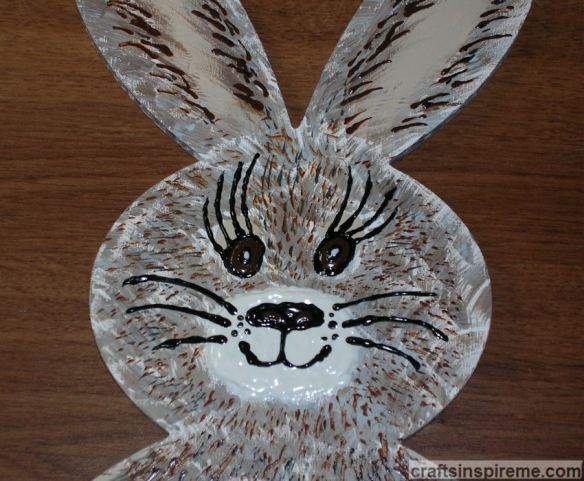
3D Bunny Face
Start by painting 2 thick coats of white fabric paint on the muzzle, and brown paint for the eyes.

3D Bunny Feet
Next paint the feet with 2 thick coats of white paint.

3D Face Details
To complete the face, use black paint for the nose, mouth, whiskers, eyelashes, and the outline around the eyes. Add a black pupil in each eye. Paint a white dot in the center of each pupil, and use brown paint in each nostril.

3D Body Details
Add long brown fur along the inner edges of both ears and define the two front legs using the same paint. Add the black lines to define the toes on each foot.

Detail Facial Fur
Using short strokes, bring the black and brown fur mixture up into the face.

Detail Legs and Feet
Layer additional black and brown fur to define the body, and add the two back feet.

Finished 3D Bunny Front
Because the rear legs are in the background, keep the paint lighter by using tiny strokes with just the brown paint in an upward direction. If you want additional fur texture, you could use acrylic paints and a brush to thicken the fur coat with highlights and lowlights.

Finished 3D Bunny Back
The last step is painting the tail with 3 coats of white fabric paint.

Mission accomplished! This cute little guy is ready to be displayed in your home, bringing joy to your life for years to come.

Happy Easter and Happy Crafting!

Gifts from the Heart

Frog with Heart
As Valentine’s Day approaches, it’s a nice reminder to show appreciation for those who share our lives, including family, friends, and yes even our pets.  It doesn’t have to cost a lot.  In fact, you may already have what you need for the perfect gift.   Here are a few creative ideas to get you started:

Sweets for the Sweet
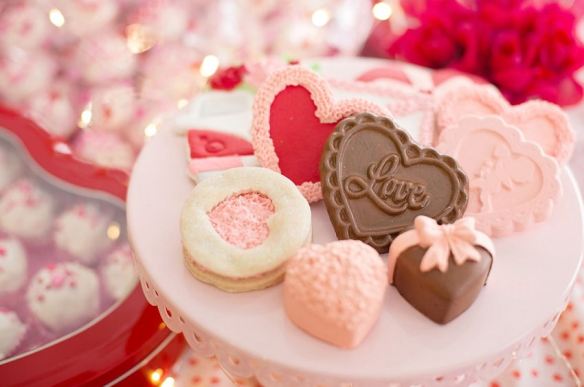
Homemade Candy & Cookies
Homemade cookies and candy will satisfy any sweet tooth.

Nature Lover
Fruit Hearts
This edible art is delicious & nutritious.

Heart of the Vineyard
Wine Corks Heart
Connoisseurs will appreciate shared memories celebrated with a nice glass of wine.

The Personal Touch
Clay Heart Vase
Gifts made by hand are always the best way to show your love.

Two Hearts Beat as One
Metal & Wood Hearts
Whether you prefer working with wood or metal, this universal symbol of love says it all.

Love is in the Details
Mosaic Heart
Glass, tile, and stones can be used to create mosaic jewelry, tabletops, wall art, etc.

A Rose by Any Other Name
Paper Roses
As timeless symbols of love, these paper roses will forever be in bloom.

Big Bear Hugs
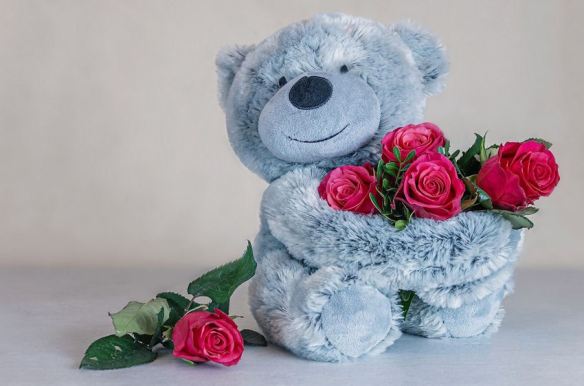
Teddy Bear & Flowers
Everyone could use a hug.  Teddy bears can be sewn, crocheted, or knitted.  If you don’t have those skills, buy one and add a personal touch, such as a bunch of silk flowers or homemade chocolates.

Soft & Dreamy
Watercolor Painting
Watercolor, acrylic or oil paints are the perfect choice for creating beautiful artwork to be treasured for years to come.

Heartfelt Adventure
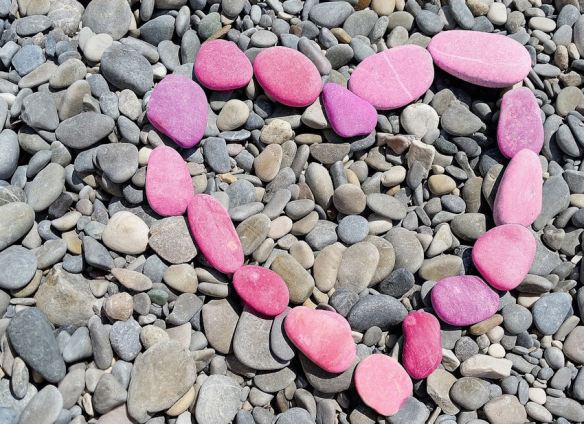
Pink Stone Heart
Outdoor enthusiasts will enjoy taking a romantic walk along a beach or trail on a “treasure” hunt, consisting of well-placed hearts made from stones, shells, or flowers.

Presentation is Everything
Heart Earrings
At the end of the treasure hunt mentioned above, surprise your companion with a little gift, such as a bouquet of wildflowers or handmade jewelry.

Reflective Photography
Black Swan
At first glance, you might only notice the beauty of this black swan but look closer and you will see the perfect heart shape created by his reflection.

Just the Two of Us
Romantic Silhouettes
A sunset photo of a couple is a nice keepsake and posing just right forms a heart.

Your BFF
Dog Wearing Scarf
Our best friends are always looking for affection.  A new scarf or a heart charm for the collar are nice options, but the best way to show your love is by giving them your time and attention.  Works for people too!

Thanks for reading.

Happy Valentine’s Day & Happy Crafting!

Countdown – Top Six Posts of 2020

Time Travel
In the movie, “Back to the Future”, Michael J. Fox traveled back in time.  As a new year begins, it’s interesting to review the best moments from the previous year.  As voted by you, the readers, below is a list of the Top Six posts of 2020, in ascending order:

Number 6: Say It with Flowers
Creative Flower Arranging
Flowers have been used for centuries to decorate, commemorate and celebrate the moments of our lives.  Whether you choose fresh cut or silk flowers, the artfully arranged blooms are both a challenge and a triumph for the dedicated crafter.  To read more, please click here.

Number 5: Celebrating 100th Post
100th Post
Today marks a very important milestone – my 100th post!  It has been a wonderful experience, and I thank all my readers and followers.  To read more, please click here.

Number 4: The Beauty of Wood Crafts
Beauty Wood Crafts
Wood crafts are a fun and inexpensive way to express your creativity.  From birdhouses to toys and home décor, there’s something for everyone and these projects are great activities to do with the kids.  To read more, please click here.

Number 3: Tropical Splendor
Tropical Leaves
Ah the tropics!  I’m sure we all wish we could be basking in the sun on a tropical island -sand under your feet, a soft ocean breeze, and a cool fruity drink within reach.  Our travel plans may be on hold for now, but we can dream.  A tropical project may be just what we need to brighten the day and lift our spirits.  To read more, please click here.

Number 2: Thank You
400 Followers
With many thanks to all of you, I have reached an important milestone: 400 Followers.  Thank you to all my readers and followers for liking, commenting, and sharing this creative journey with me.  I am so grateful for each and every one of you.  To read more, please click here.

Number 1: Fun with Photo Editing
Photo Editing
Wouldn’t it be cool if you could simply change a gloomy sky to a gorgeous day with a wave of your arm?  We might not have that ability now, but we can certainly achieve this monumental task through the power of photo editing.  To read more, please click here.

Future Projects
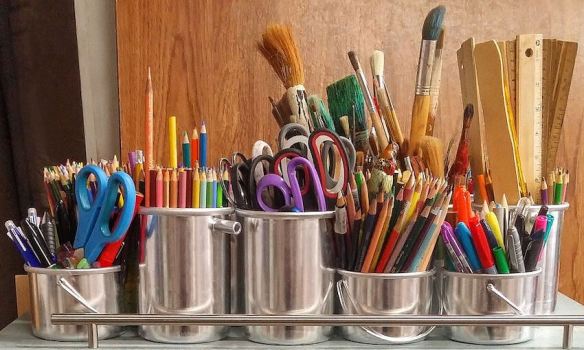
Art Supplies
And there you have it – the top 6 posts of 2020.  Now we have a new year, a clean slate, and together we shall explore the world of creativity.  There are always new ideas, new mediums for experimenting, and I’ll be sure to include more of your favorites.  Your opinions are greatly appreciated, and I look forward to so much more this year.  If you have any suggestions for future posts, please let me know.  Thanks for reading!

All the best in 2021 and Happy Crafting!

The Basics of Decorative Painting

Paint Brushes
In a post a few weeks ago, faux finishing was discussed with several painting options and instructions for sponge painting. Faux finishing is part of a larger category called decorative painting, which includes stenciling, murals, and custom painted details.

At it’s most basic, decorative painting can be as simple as painting vines on a flowerpot. Be sure to use weatherproof paint, not only to protect it from rain and sun, but also from watering the plants.

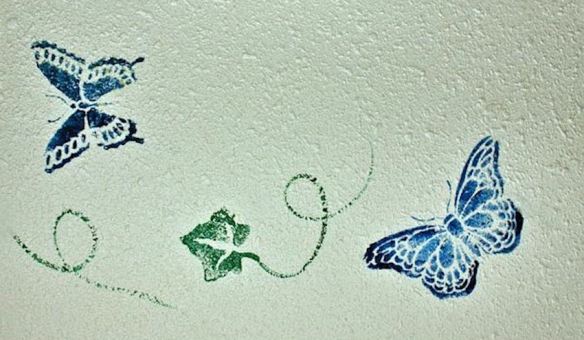
Stenciled Butterflies & Vines
Stenciling
Stenciling is a fairly easy process. Choose a plastic stencil, a few paints, and some sponge brushes. Painter’s tape is great for holding the stencil in place while you work, painting one color at a time. Crafter Tip: Stenciling on a textured wall is not recommended. The bumpy texture can cause the colors to bleed, and the designs may appear stretched or irregular.

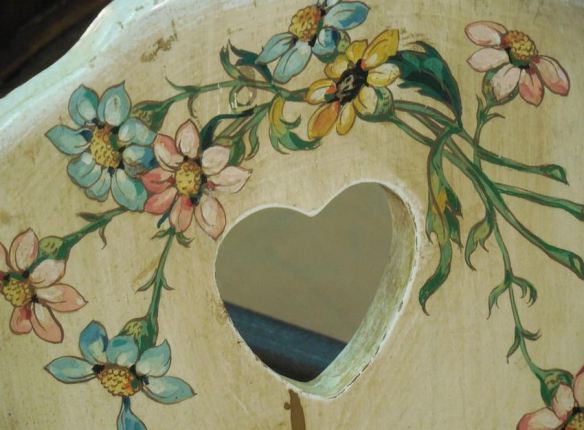
Antiqued Wood Chair with Painted Floral Seat Back
Furniture presents the challenge of durability. Paint alone is not enough. Crafter Tip: Consult a specialist, or research what types of paints and sealants to use to ensure your designs will withstand every day wear and tear.

Stippling
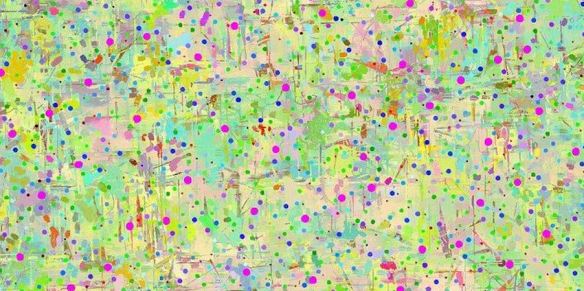
Stippling
This is an example of stippling layered over a multi-color background. The base coat is created using sponges or brushes to blend the colors together. Stippling consists of little dots to create light and dark areas by changing the density of the dotted pattern.

Watercolor
Watercolor
In this technique, water-based paints are thoroughly mixed with water and blended together while still wet. It’s important to remember that you will want to start out with light washes of color and gradually build up to the darker areas. If you get too dark too fast and don’t like the results, you will need to start over.

Layered Techniques
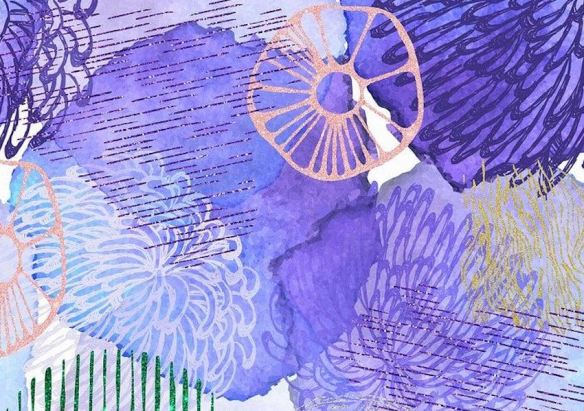
Mixed Media
Here we see an interesting mix of free-hand painting, stenciling, and stamping. Pressing painted corrugated cardboard against the surface created the parallel lines.

Now if you’re really feeling ambitious, here are some amazing painted murals:

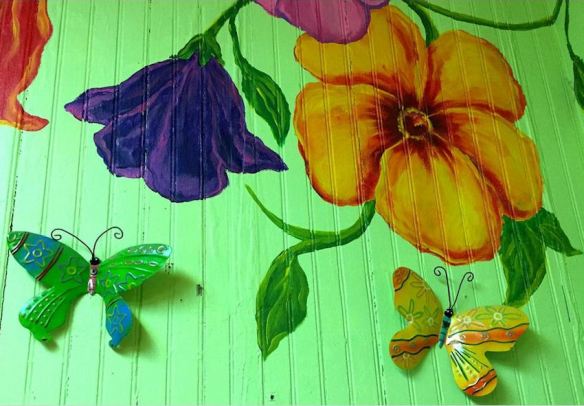
Floral Wall Mural with Metal Butterflies
This bead board paneled wall was painted green as a background color, and then the flowers and vines were added. Crafter Tip: Even though you are painting a mural, you don’t have to paint everything yourself. There are plenty of wall art options, which will coordinate with your painting, such as these sculpted metal butterflies, the perfect complement for this gardener’s retreat.

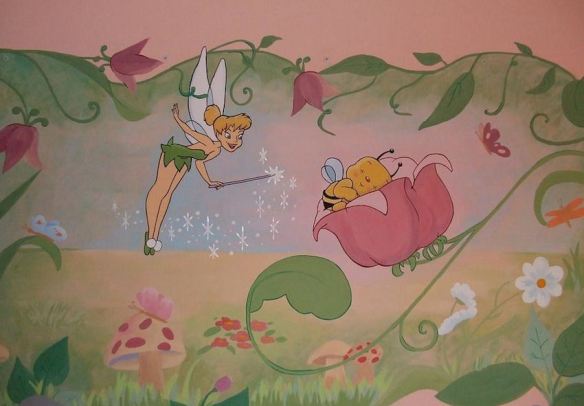
Tinkerbell Wall Mural
Disney characters are sure to be childhood favorites. The flowers and vines in this mural can be painted by hand or stenciled. Crafter Tips: In lieu of using a paintbrush, delicate details can be made using a fine tipped paint pen. If Tinkerbell seems a bit beyond your skill set, purchase a Disney decal, or wallpaper version and adhere it to the wall after the mural is complete. It will save you time, and from a distance, no one will ever know.

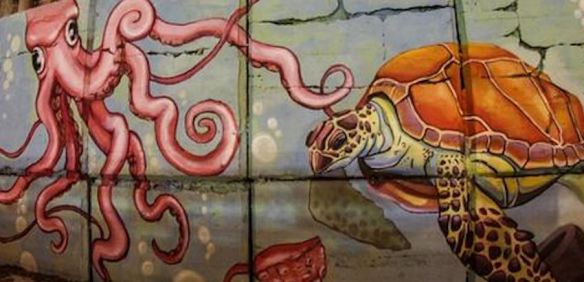
Ocean-Themed Exterior Wall Mural
The old block wall in this photo has been given new life through wall art. Because of the large scale, and dependence upon the weather, the artist used a paint sprayer to speed up the process. With the overall design blocked out, the details can be added using a combination of a fine spray nozzle and paint brushes. Crafter Tip: Using a paint sprayer will certainly give your arms and upper body a workout. You won’t need to go to the gym that day!

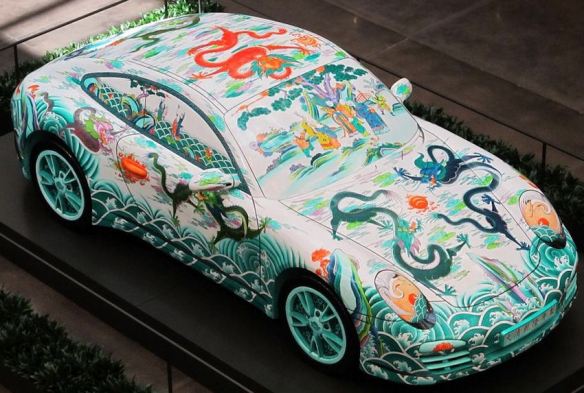
Asian Water Dragons Mural on a Porshe
Vehicle painting is a specialty in itself. Painted details can include logos, initials, stripes, and full-size murals. Crafter Tip: Vehicle painting is best left to the pros. Manufacturers’ new vehicle warranties will most likely become void if the body paint is altered.

How To Decoratively Paint a Powder Room

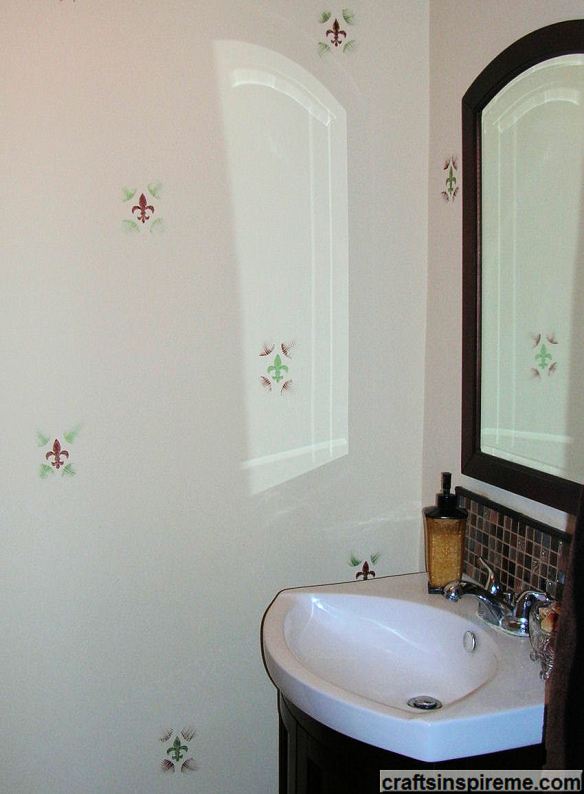
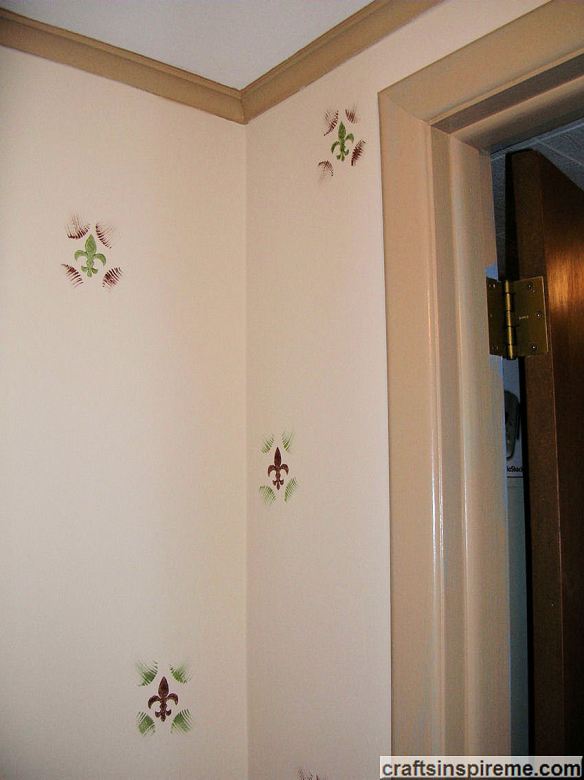
Fleur-de-lis Powder Room
Powder Room
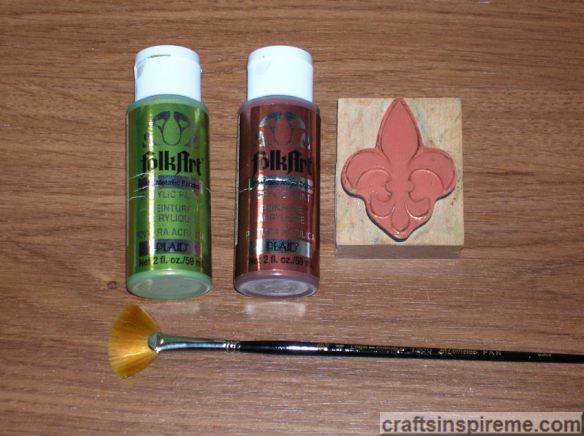
Fleur-de-lis design was made using an ink stamp, which was purchased from the scrapbooking department at Michael’s craft store.

Acrylic Paints, Ink Stamp & Fan Brush
Powder Room Paints
To produce more consistent imprints, paint was applied directly upon the stamp using a small flat brush. The stamp was then pressed against the wall, spacing the pattern by eye. All the brown fleur de lis designs were completed first, and then the stamp was cleaned in preparation for the green paint.

Create a Fleur-de-lis Pattern
Painted Powder Room

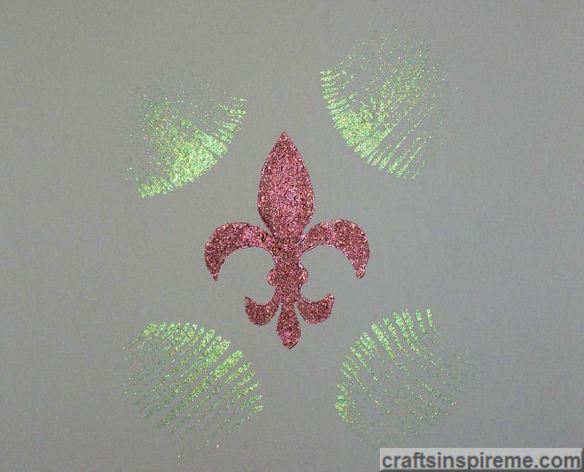
Fleur-de-lis Detail
Powder Room Paint Detail
Using a fan brush at the four corners, brush strokes were applied with the contrasting metallic paint color.

For continuity and consistency of the design, it is probably best to have one person working on a project. However, if your friends or family would like to help, assign a particular design element to each person to be completed throughout the project. Using the fleur-de-lis project as an example, one person could do all the stamping while another applies the flourishes at the corners.

Crafter Tip – Future Decorative Paint Removal
I once had a painter in my home to give estimates on a few small projects. I had recently finished a mural in one of the bedrooms, and as we walked by, the painter said, and I quote, “Do you know how much Kilz it would take to cover that?” Although I was appalled at the idea, it certainly gave me food for thought. At some point in the future, how could I easily cover over painted designs without filling the house with toxic fumes? The answer is simple: paint over it using the same paint used to create it. There was an acrylic midnight blue design (Folk Art Brilliant Ultramarine) painted across the upper half of one wall. White acrylic paint (Folk Art Wicker White) was brushed over the dark paint. Just to be sure, a second coat was applied. The painter was stunned to see how well it covered. The new wall paint was a pale blue, covered in only one coat, and there were no toxic fumes. To protect the air quality in your home, be sure to select low odor paints, with low or no VOCs (volatile organic compounds).

Thanks for reading & Happy Crafting!

Why Just Paint? Faux Finish.


Faux finishing is a great, inexpensive way to transform a room and can be easily done over a weekend, and sometimes in a few hours with minimal effort.

There certainly is no shortage of ideas and inspirations for faux finishing including: retail stores, restaurants, shopping malls, magazines, books, websites, videos, craft and paint stores. Instructional videos can be found on YouTube, but don’t forget to check paint manufacturers’ websites as well.

You may already have many faux finishing tools in your home without even realizing it. Paint can be applied using rolled up plastic wrap or fabric; synthetic sea sponges; brushes, sponge rollers; and trowels. Application methods include dabbing, rolling, splattering, brushing, and glazing. Additional supplies and advice are available through local craft stores, and home improvement or hardware stores.

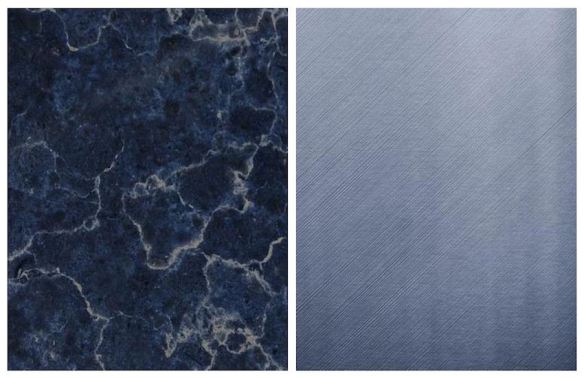
                          Faux Marble                                               Faux Metal
Faux Marble and Faux Metal
Faux Marble has a mottled background and white veining applied using a feather.

Faux Metal is created using a specialty iridescent metallic paint applied on the diagonal for a hammered metal appearance.

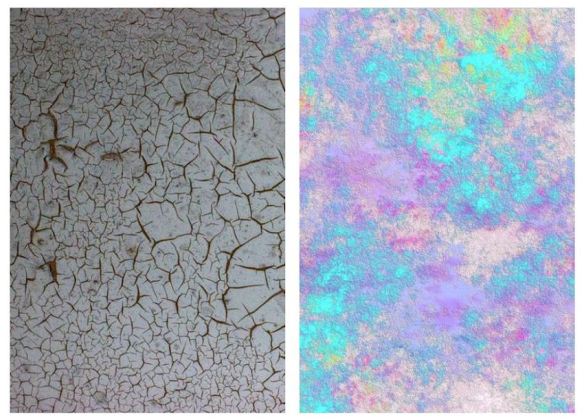
                       Crackle Finish                                      Faux Venetian Plaster
Crackle Finish and Faux Plaster
Crackle Finish involves painting a background color first, followed by a special antiquing medium, which cracks as it dries, revealing the color beneath for an aged, weathered look.

Faux Venetian Plaster has color and texture applied at same time with a trowel, which is a two step process, followed by a drying period, and sanded afterward to create a soft sheen finish.

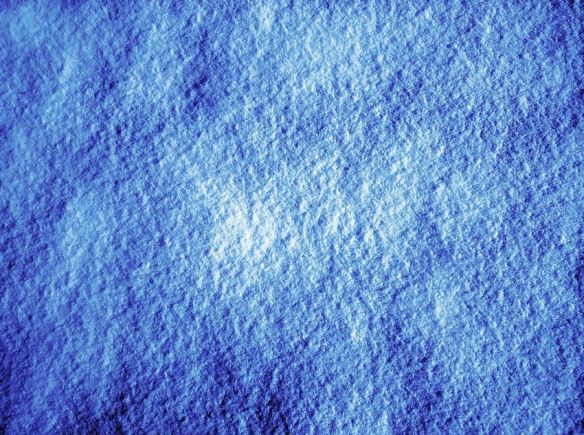
Textured Wall Paint
Textured Wall Paint
Textured Wall Paint is probably the easiest faux finish to apply. No special skills are required. If you can use a paint roller, you can texture a wall. After it dries, the wall will resemble the texture of plaster, and the softness of wallpaper. With a bold punch of color, it can be used as an accent wall in a living room, dining room or master bedroom.

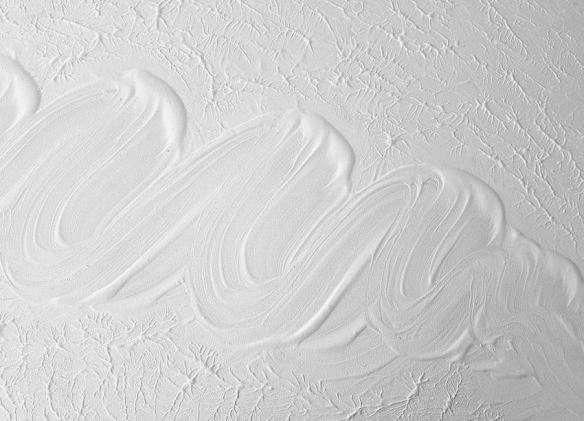
Textured Wall Paint
Textured Paint
Faux Plaster can be created simply by applying a thick layer of paint and using assorted “tools” to texture the surface while the paint is still wet.  Additional layers can be applied for greater texture and depth.

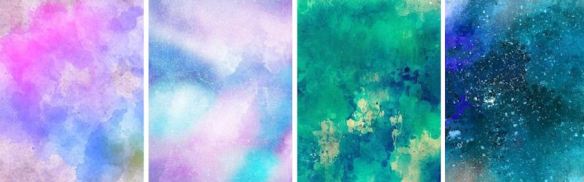
Faux Wood Grain over an Abstract Background
Faux Wood Grain
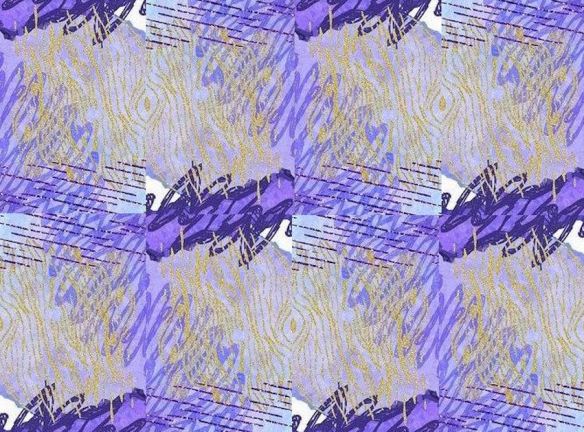
Faux Wood Grain requires the use of a stencil.  Paint the base coat first in a light or medium color.  When it has dried, go over it with the stencil using a darker color to simulate the natural wood grain, or try using metallic glitter paint as shown above.

These faux finishing techniques are not limited to walls. The same processes can be applied to ceilings, furniture, and just about any other surface.

How To Faux Finish A Room
Research faux finishing ideas and installation methods. Choose your design. Choose the paint colors. Having several color combinations is fine because the first step will help you narrow down the choices. Purchase the paints and corresponding application tools required for your chosen faux finish.

Trying something new for the first time can be a stressful experience. What if you make a mistake? What will you do if you fail halfway through the project? If the paint colors looked great in the store, why do they look so different in my home?

Sample Board
Paint Sample Board
Crafter Tip – Sample Boards are your best friends.
You need to experiment with your color schemes and methods of paint application. The simplest solution is creating a sample board. Sample boards give you a chance to get your feet wet, so to speak, without the overwhelming feelings that can come when faced with full-size wall or an entire room. Hone your skills on the sample boards. With proven skill and newfound confidence, you’ll be ready to take on the full project. Keep your sample board handy for reference while you are painting.

24” x 36” poster board is an easily manageable size. Another option is foam board, also known as foam core, which consists of two pieces of poster board with a piece of foam sandwiched in between for strength. The ability to pin inspirational photos is an advantage of foam core over standard poster board.

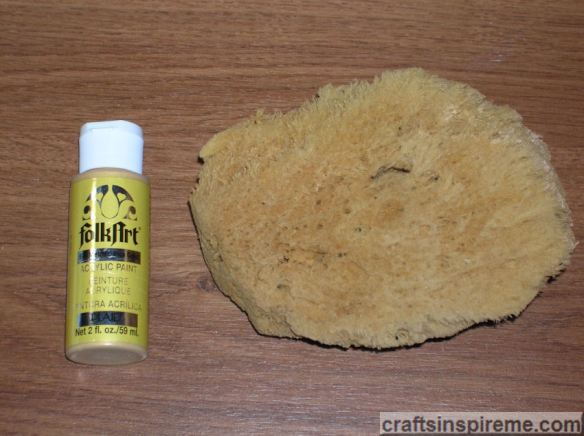
Gold Metallic Paint & Synthetic Sea Sponge – (2nd paint color, taupe, not shown)
New Bath Paint
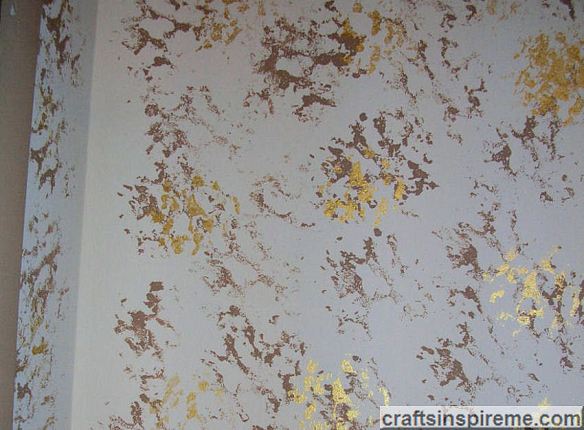
For the technique demonstrated in the bathroom below, first paint a coat of the background wall color on the sample board, and let it dry. Apply each group of colors on different areas of the sample board, being careful to label or make note of colors used. Feel free to experiment with various brush and or sponge techniques. Let the paints dry.

Faux Finish Close Up Detail Sponge Painting
Sponge Painting Detail
Now lean the sample board against a wall in the room to be painted. It is important to see the colors under the existing natural and artificial lighting. Begin the elimination process. Some will be very obvious missteps for one reason or another. A few usually rise to the top of your list. At this point, you can do some additional testing. You may want to create another sample board with larger samples of your top picks.

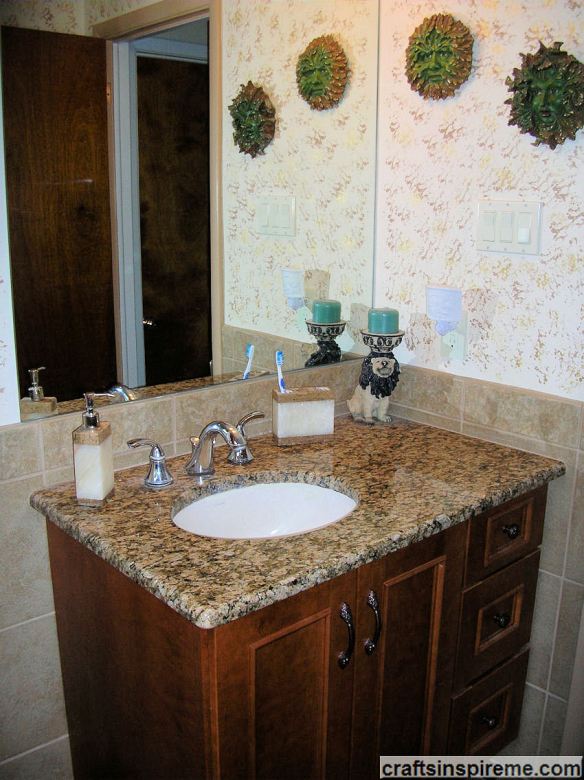
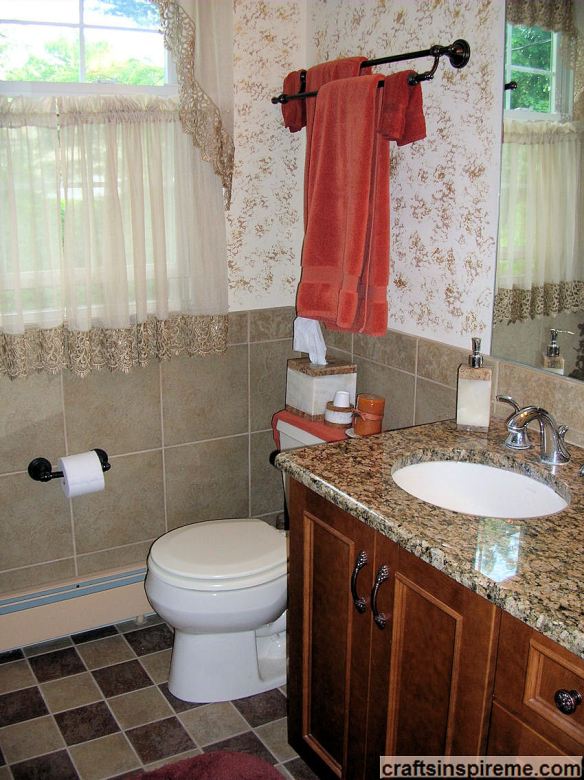
Sponge Painted Bathroom

Sponge Painted Bathroom
Once you have decided, it’s time to tackle the faux finishing of all the walls in that room. Take your time, and remember it doesn’t have to be perfect. The beauty of hand-applied finishes is the variation and artistry. If you are using multiple colors, apply one color at a time, and then repeat the process.

You can do this!

Thanks for reading & Happy Crafting!

How to Decorate Wood Crafts

Fawn
When I was a little girl, my bedroom was decorated with Disney’s Bambi characters. Each wooden plaque was painted in full color and beautifully detailed. Before falling asleep at night, I would sit and admire each one, imagining they came to life before my very eyes. You can create painted wood art (and memories) for your home.

Raw Wood Owl
Wooden Owl
Wood cutouts, figures and plaques can be a fun, inexpensive project. The projects described below are ocean creatures, however, many themes are available, including sports, nature, and holidays. This owl is predominately raw wood, with just a little color to accentuate the face.

Painted Wooden Heart
Wooden Heart
Decorating can be done with magic markers, acrylic paints, fabric paints (for 3-D effect), stickers, and self-stick gems. Finished items can be used as wall art, Christmas ornaments, wreath décor, place cards, window charms, and refrigerator magnets. These techniques can be used for larger woodcrafts as well. Outdoor items will require waterproof paints, and you will want to consider the fading effects of the sun.

Seahorses:

Inspiration
Seahorse
It’s always helpful to refer to a few photos to inspire your color palette. Note how textured the body is and any patterns naturally found in this unique sea creature.

Raw Wood Seahorse
Raw Wood Seahorse

Turquoise Seahorse Supplies
Turquoise Seahorse Paints
Supplies:
Wooden Seahorse (5-1/2” high x 3” wide x 3/8” thick)
Acrylic Paint – turquoise, yellow, and metallic blue (plus black for the pupil)
1) Bottle Dimensional Fabric Paint – light blue
Paintbrushes

Seahorse Close Up Detail
P7 Turquoise Seahorse Detail
Seahorses – Step By Step Process: Apply base coat of acrylic paint over the surface, and be sure to paint over all the dark brown edges. When it’s dry, you may want to draw details to define your design.

Choose accent paints and begin working across the body, being careful not to smear the fresh paint as you go. Allow the piece to dry for several hours.

Dab a paintbrush in undiluted acrylic paint to create the subtle bumpy effect on the seahorse’s body. The metallic paint down the center of the body gives it an iridescent finish, which visually transforms the flat wood into a rounded, three-dimensional figure.

Finished Seahorse
Finished Turquoise Seahorse
Lastly, the blue fabric paint was applied to form spikes along the contours of the body. You may need to do a second coat on the spikes to achieve the texture as shown.

Purple Seahorse Supplies
Purple Seahorse Paints
Supplies:
Wooden Seahorse (5-1/2” high x 3” wide x 3/8” thick)
Acrylic Paint – orange, fuschia, and metallic light purple (plus black for the pupil)
1) Bottle Dimensional Fabric Paint – light blue
Paintbrushes

Seahorse Close Up Detail
Purple Seahorse Detail
Follow the same steps noted above for the turquoise seahorse.

Finished Purple Seahorse
For a more three dimensional look, please click here to see a more advanced version of these seahorses.

Dolphin:

Inspiration
Swimming Dolphins
Unlike the seahorses, dolphins have smooth, sleek bodies with a glossy sheen. To reproduce that wet-look, dimensional fabric paints will be exclusively used for this project.

Raw Wood Dolphin
Raw Wood Dolphin

Dolphin Supplies
Dolphin Paints
Supplies:
Wooden Dolphin (3” high x 5-1/2” wide x 3/8” thick)
3) Bottles Dimensional Fabric Paint – white, pearl silver, black
Paintbrush

Dolphin Close Up Detail
Dolphin Detail
Dolphin – Step By Step Process: You will be working across the body one color at a time, being careful not to smear the fresh paint as you go, and cover all the dark brown edges.

As you squeeze the bottle, apply the paint in a thick layer, using long “strokes,” to give the dolphin’s body depth. A damp paintbrush can be used to level the surface.

Allow the piece to dry over night. Be sure to wash the paintbrush with soap and water to remove fabric paint, which tends to adhere to the bristles like glue.

Finished Dolphin
Finished Dolphin
It may require several paint applications to achieve the look you desire. Don’t worry about getting a perfectly smooth paint finish. The irregularities look like water rippling across his skin as he swims through the ocean.

Sea Turtle:

Inspiration
Swimming Sea Turtle
Sea turtles having fascinating patterns on their shells as well as their heads and flippers.

Raw Wood Sea Turtle
Raw Wood Turtle

Green Sea Turtle Supplies
Sea Turtle Paints
Supplies:
Wooden Turtle (3” high x 5-1/2” wide x 3/8” thick)
Acrylic Paint – cream
2) Bottles Dimensional Fabric Paint – brown, green
Paintbrushes

Sea Turtle Close Up Detail
Sea Turtle Detail
Sea Turtle – Step By Step Process: You will be working across the body, one color at a time, being careful not to smear the fresh paint as you go. Apply a thick coat of brown fabric paint over the entire body to create depth. Allow the piece to dry over night. Now apply a thick coat of green fabric paint upon the shell. As you squeeze the bottle, apply the paint using long spiral “strokes” starting at the shell perimeter and working toward the center. Repeat this process several times to achieve desired thickness and raised dome shell shape.

Finished Sea Turtle
Finished Sea Turtle
The final step is applying the detailed scales on the head and flippers, and the pattern on the turtle’s shell using acrylic paint and a fine paintbrush.

I hope you enjoy painting woodcrafts in your own unique style. It’s a lot of fun for the child in all of us and makes a great souvenir from your creative journey.

Thanks for reading & Happy Crafting!